Finalists Announced
Take a look at the finalists for the Lincolnshire Sport & Physical Activity Awards 2026
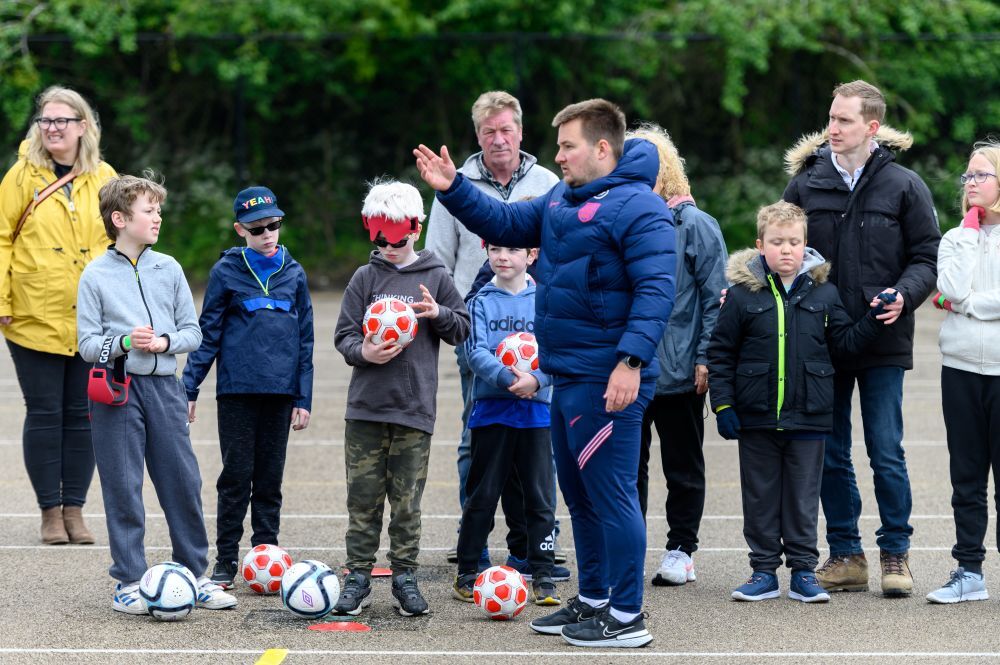
As UK Coaching Week comes to an end, I’ve found myself reflecting on how quickly the role of the coach is evolving – and how much further it still needs to go.
For decades, we’ve judged coaches by relatively simple measures. Did they improve performance, and did they win? Those things still matter, but increasingly, through our work at Active Lincolnshire, I’m seeing a different definition of success emerge.
One that’s rooted in Place, one that’s shaped by Systems, and one that asks more of coaches than ever before.
This shift aligns closely with Sport England’s Uniting the Movement strategy, which challenged our sector to confront a difficult reality – millions of people remain inactive, and the barriers they face are not just about motivation or opportunity. They’re about inequality, environment, and lived experience.
Where you live still plays a major role in whether you are active.
That’s why, across Lincolnshire, we’ve been working with System partners – local authorities, health, education, community organisations and others – to better understand the realities of different communities and co-create solutions that work for them.
And this is where coaching comes in, because if we’re serious about tackling inactivity through place and systems, then the role of the coach cannot stay the same.
Traditionally, coaching has been seen as a technical discipline – planning sessions, improving skills, delivering outcomes on the pitch – but in the communities we work with, the reasons people don’t attend sessions are rarely technical.
It might be transport, cost, confidence, cultural relevance, competing pressures, or simply a feeling that “this space isn’t for me.”
The future coach, therefore, has to start somewhere different. Not with drills, but with understanding.
I increasingly see coaches acting as connectors – people who build relationships across communities, who listen before they deliver, and who understand the wider context shaping people’s lives.
They’re facilitators, community builders, trusted local leaders. They’re asking different questions:
These aren’t traditionally “coaching questions” – but they are becoming essential ones. Of course, this raises an important tension. Sport still matters, performance still matters, talent pathways still matter – and for many coaches, competition is what drew them into the profession in the first place.
But increasingly, coaches are being asked to balance performance outcomes with social outcomes. Is success about winning leagues, or increasing participation? Is it about selecting the strongest team, or creating opportunities for all?
In truth, it’s not either/or – it’s both. But navigating that balance requires new skills and, perhaps more importantly, a new mindset.
Through our System work in Lincolnshire, it’s clear that the future coach will need a broader toolkit. Alongside technical knowledge, they’ll need:
In many ways, coaches are becoming part of a wider workforce tackling inactivity, inequality and health.
That’s a profound shift, and it raises a challenge for all of us. Are we preparing coaches for this future?
While organisations like UK Coaching are doing important work to evolve the profession, much of the system still leans heavily on traditional coaching models. Qualifications often prioritise technical delivery over Place-based working or systems leadership.
Yet in the communities where inactivity is highest, it’s those broader skills that make the real difference.
At Active Lincolnshire, we see every day that no single organisation can solve inactivity alone. It requires collaboration across systems, and coaches are a critical part of that picture.
They’re often the people with the closest connection to communities, the most trusted voices, the ones who can turn strategy into lived experience.
So perhaps the most important question coming out of UK Coaching Week is this – are we still developing coaches for sport, or are we developing coaches for society?
Because if Place and Systems continue to shape how we approach physical activity, then the future coach won’t just be defined by the sessions they deliver.
They’ll be defined by the barriers they remove, the connections they build, and the communities they help thrive.
And from where I stand, that’s not a challenge to resist – it’s an opportunity to embrace.


19 May 2026
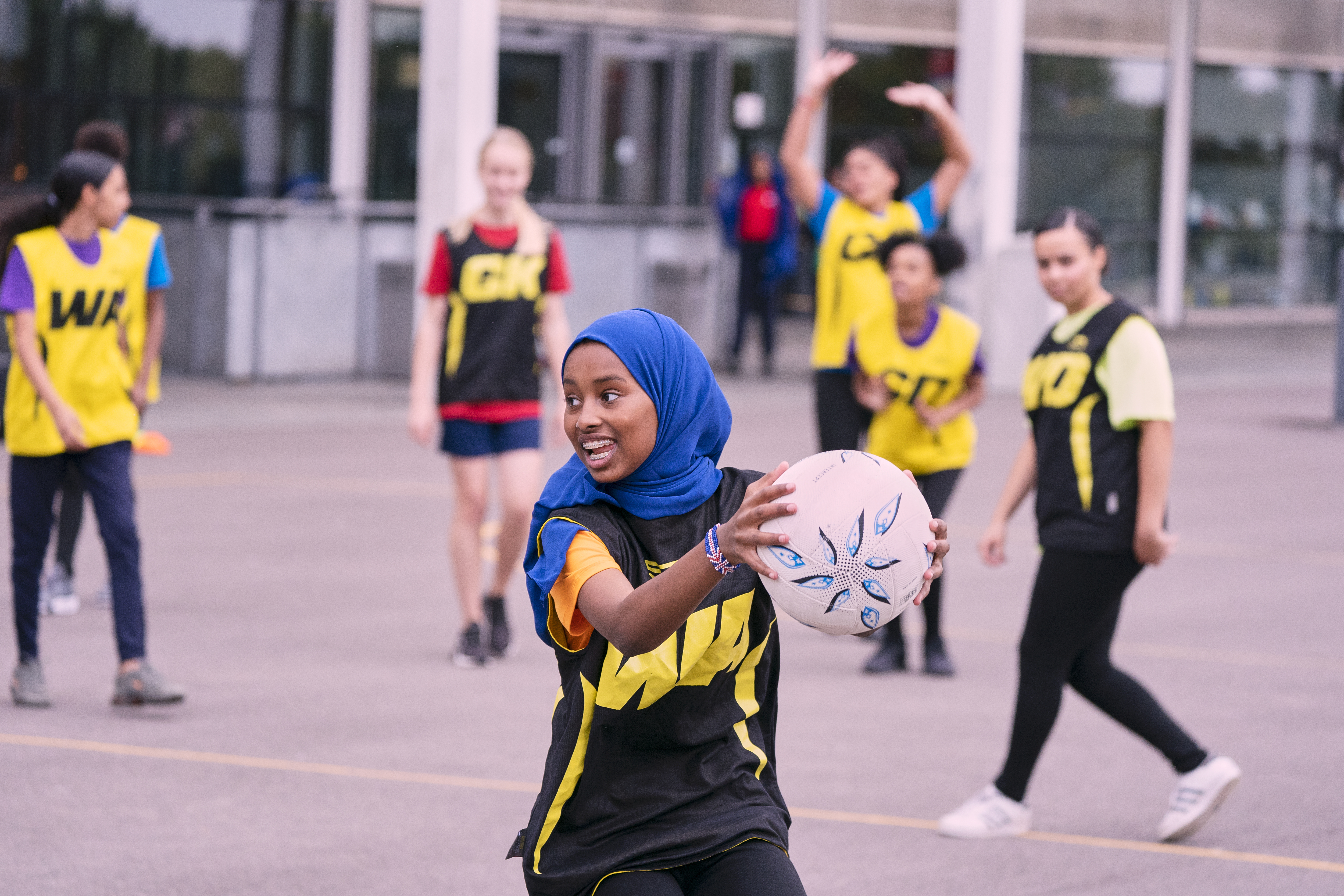
Case study highlighting how Boston partners connect schools, families and community organisations to improve children’s physical activity, addressing barriers and creating clearer pathways for sustained participation beyond the school day.
More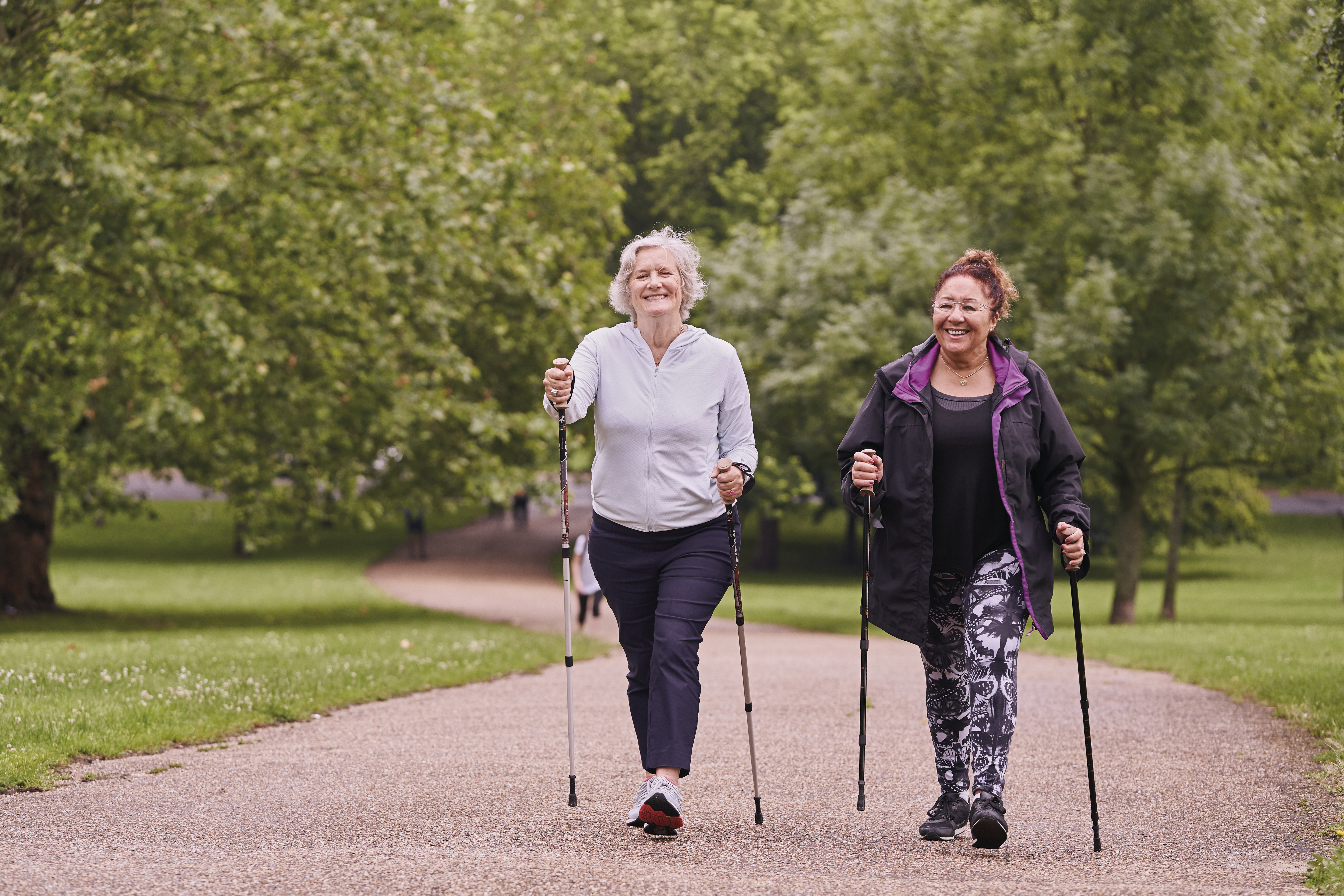
17 May 2026
Case study highlighting how community-based, person-centred activity sessions in East Lindsey build older adults’ confidence, reduce barriers, strengthen social connections, and support sustainable, everyday physical activity and wellbeing, overall health.
More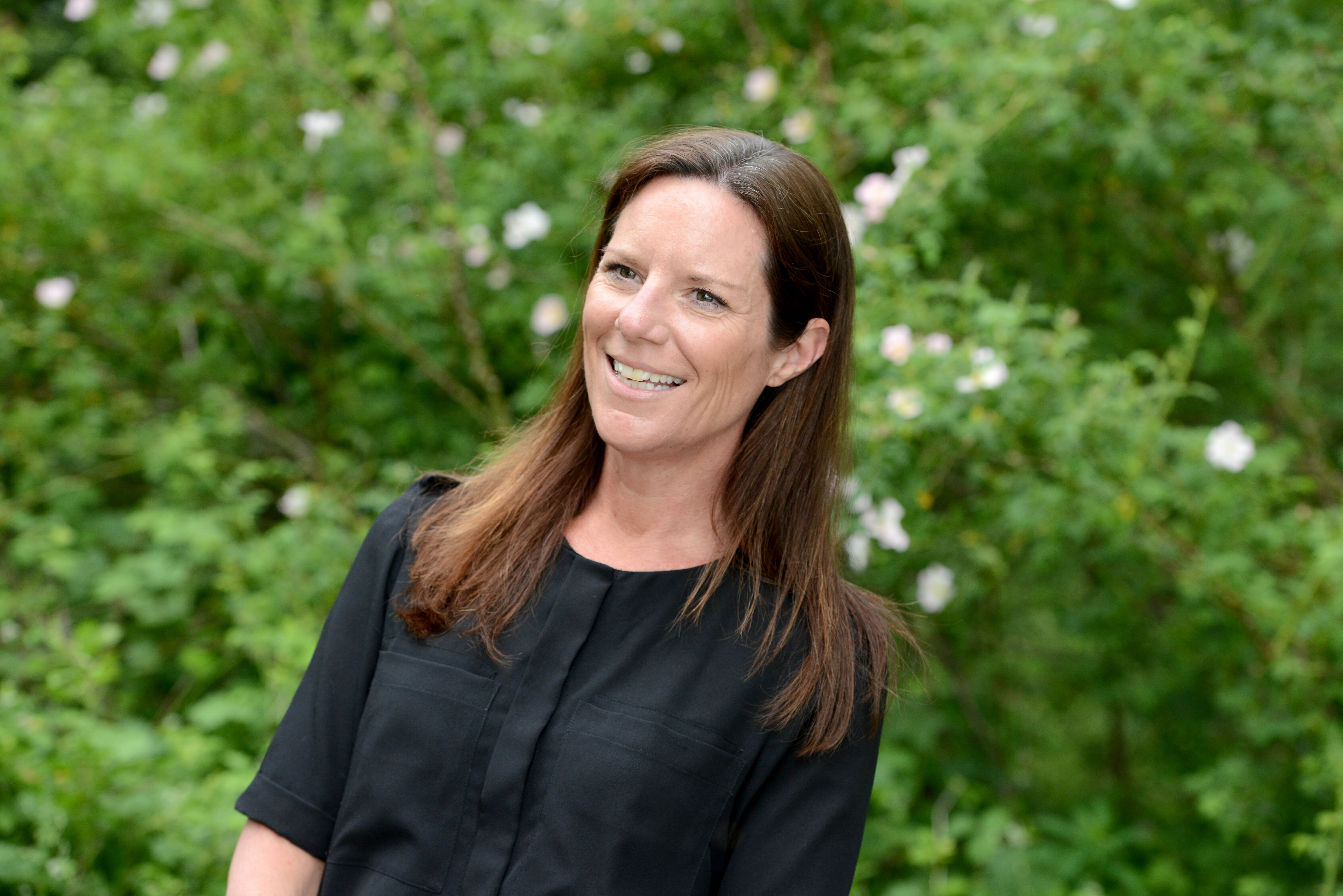
17 June 2026
Active Lincolnshire CEO Emma Tatlow has been appointed Chair of Boston Neighbourhood Board, leading delivery of the £20 million Pride in Place programme to benefit communities across Boston, Lincolnshire.
More