Our Impact
Read our Impact Report 25- 26 to find out more about our work
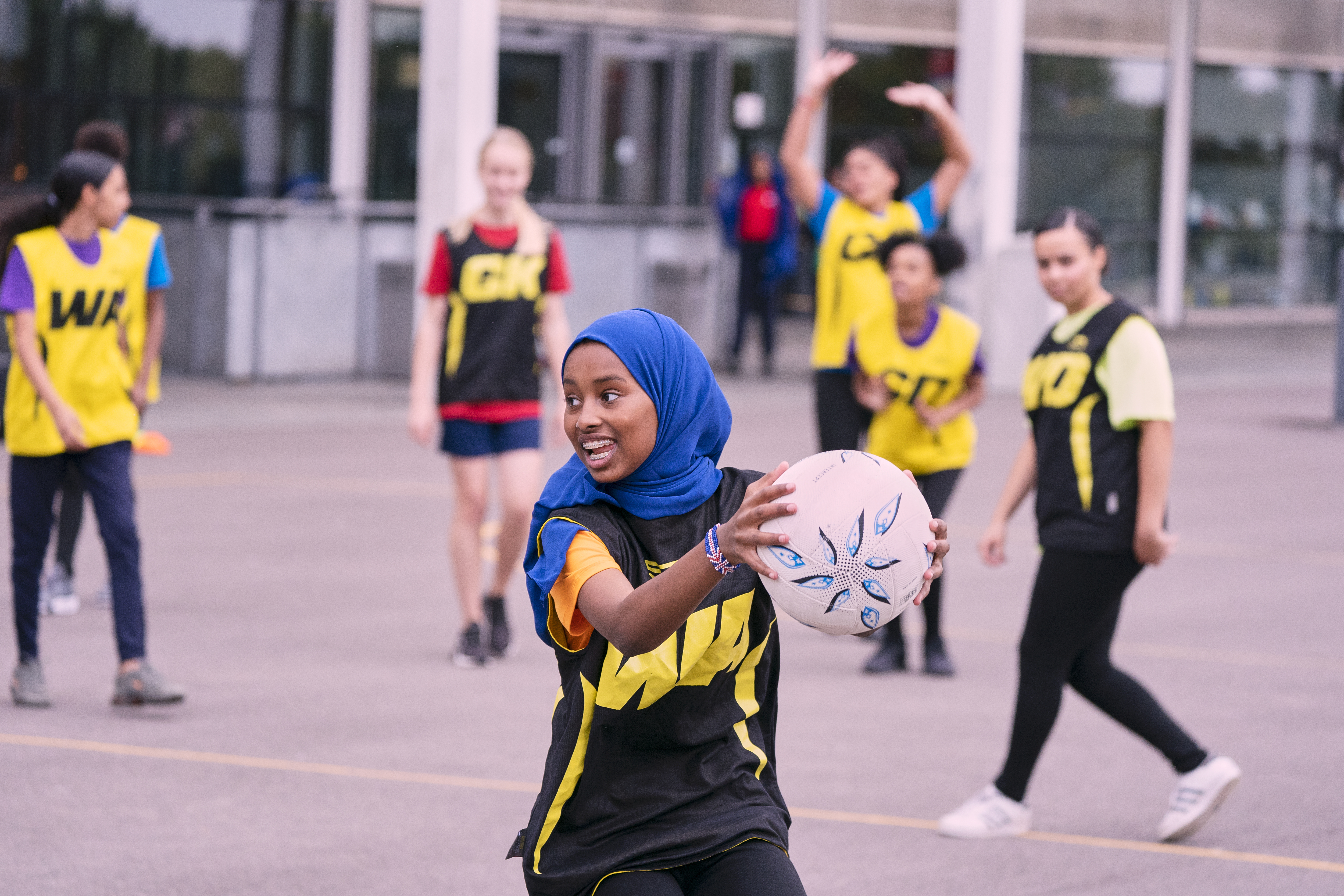
Schools across Boston play a vital role in ensuring children and young people are active during the school day. Through PE, sport and structured activities, participation is strong and consistent. However, our Community Partnership Learning highlighted a significant challenge: what happens to activity once the school bell rings.
Families described a clear drop‑off in physical activity outside of school hours. Cost, transport, safety concerns and limited awareness of local opportunities all played a part.
Many parents spoke about wanting their children to stay active but feeling constrained by practical realities. Some community spaces were perceived as unsafe. Others were unfamiliar or felt inaccessible without transport. For families new to the area or from different cultural backgrounds, navigating provision could feel overwhelming.
Schools, meanwhile, are already carrying significant responsibility. While they are trusted spaces and natural hubs for activity, they cannot – and should not – be expected to solve the problem alone.
The learning pointed to a missing link between school‑based knowledge and community‑based opportunity. Children were active in one part of the system, but pathways into wider community activity were unclear or fragmented.
Community organisations and sports providers often existed nearby, but families did not always know how to access them, or whether they would be suitable, affordable or safe.
In response, partners in Boston began exploring how schools could act as connectors rather than sole providers.
This included:
Rather than expecting families to “find” activity, the focus shifted towards clearer, more intentional pathways.
Where connections were made, families reported feeling more confident. Familiarity created reassurance, knowing that an activity was endorsed by a trusted school reduced uncertainty and anxiety.
For community organisations, working with schools offered greater visibility and understanding of local needs. It also helped align provision with the realities families face.
Importantly, this approach acknowledged that sustaining activity requires collective effort.
This case reinforces several wider lessons:
Helping children remain active beyond the school day means strengthening the connective tissue of the system. By aligning schools, communities and local organisations, we can make activity feel more achievable, safer and embedded in everyday life.
The learning from Boston reminds us that continuity doesn’t happen by accident, it must be designed collaboration‑by‑collaboration.


18 May 2026
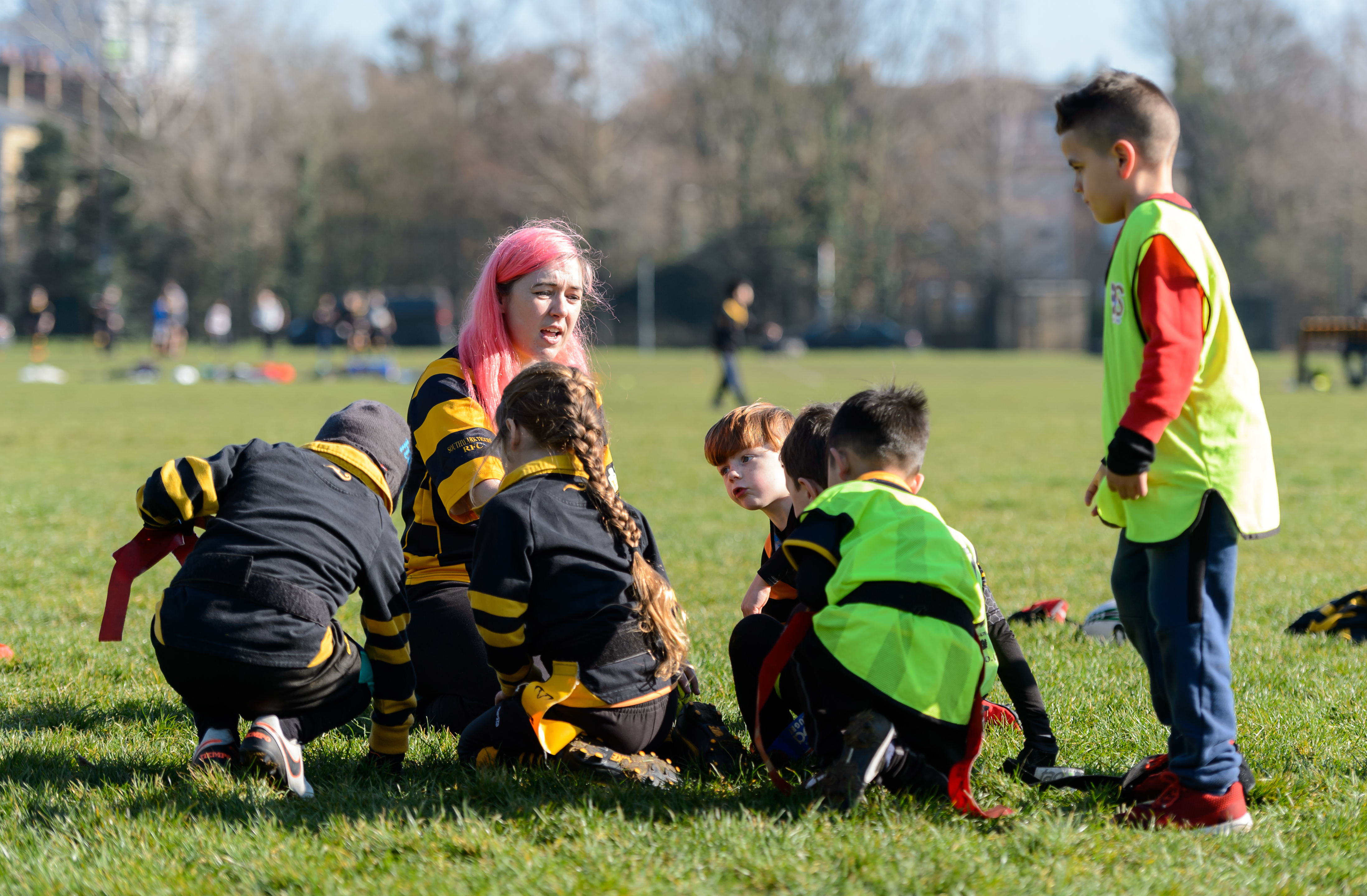
We explore how perceptions of safety influence physical activity, highlighting insights from Boston and the importance of welcoming, well-used community spaces to support everyday movement, connection and healthier, active communities.
More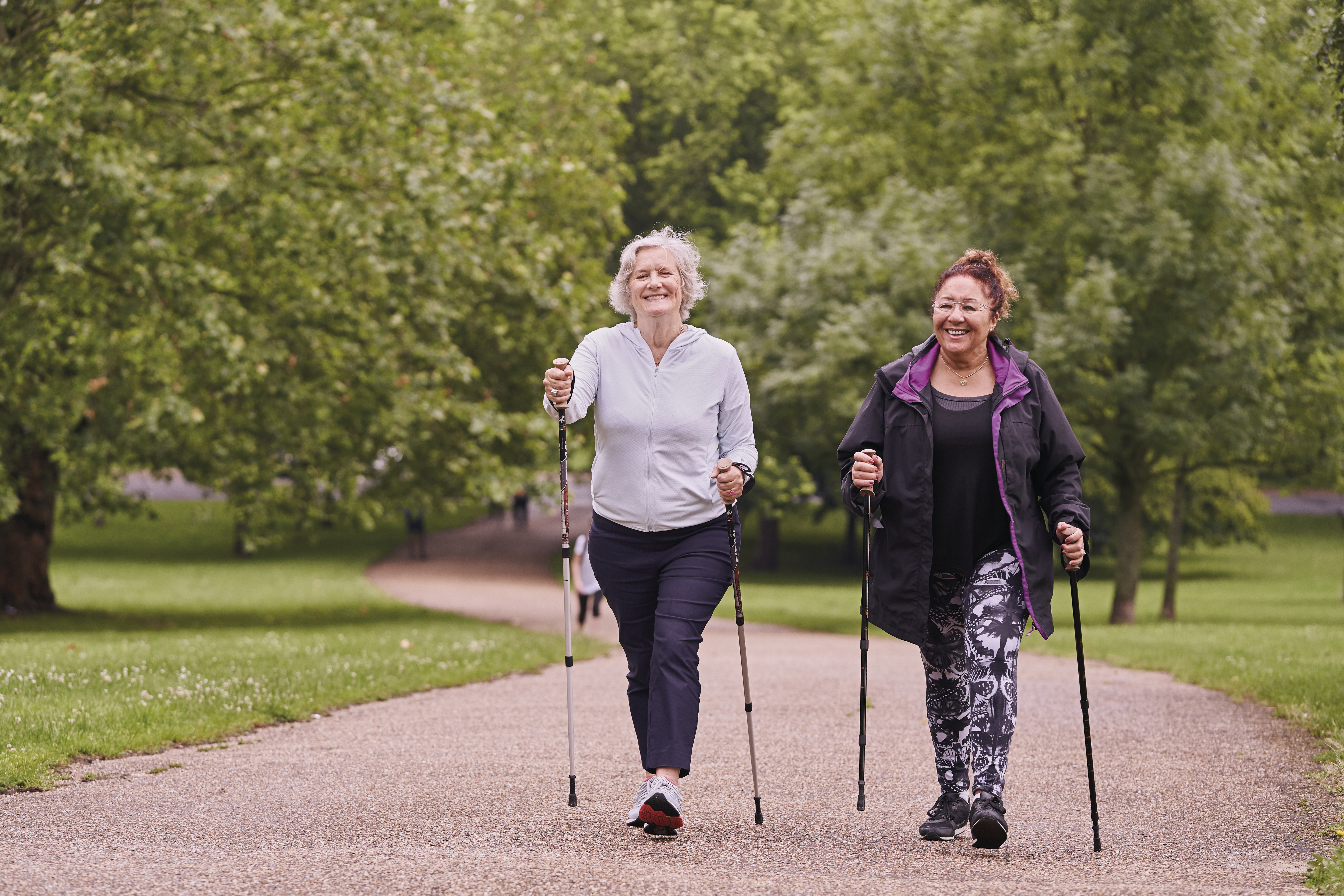
17 May 2026
Case study highlighting how community-based, person-centred activity sessions in East Lindsey build older adults’ confidence, reduce barriers, strengthen social connections, and support sustainable, everyday physical activity and wellbeing, overall health.
More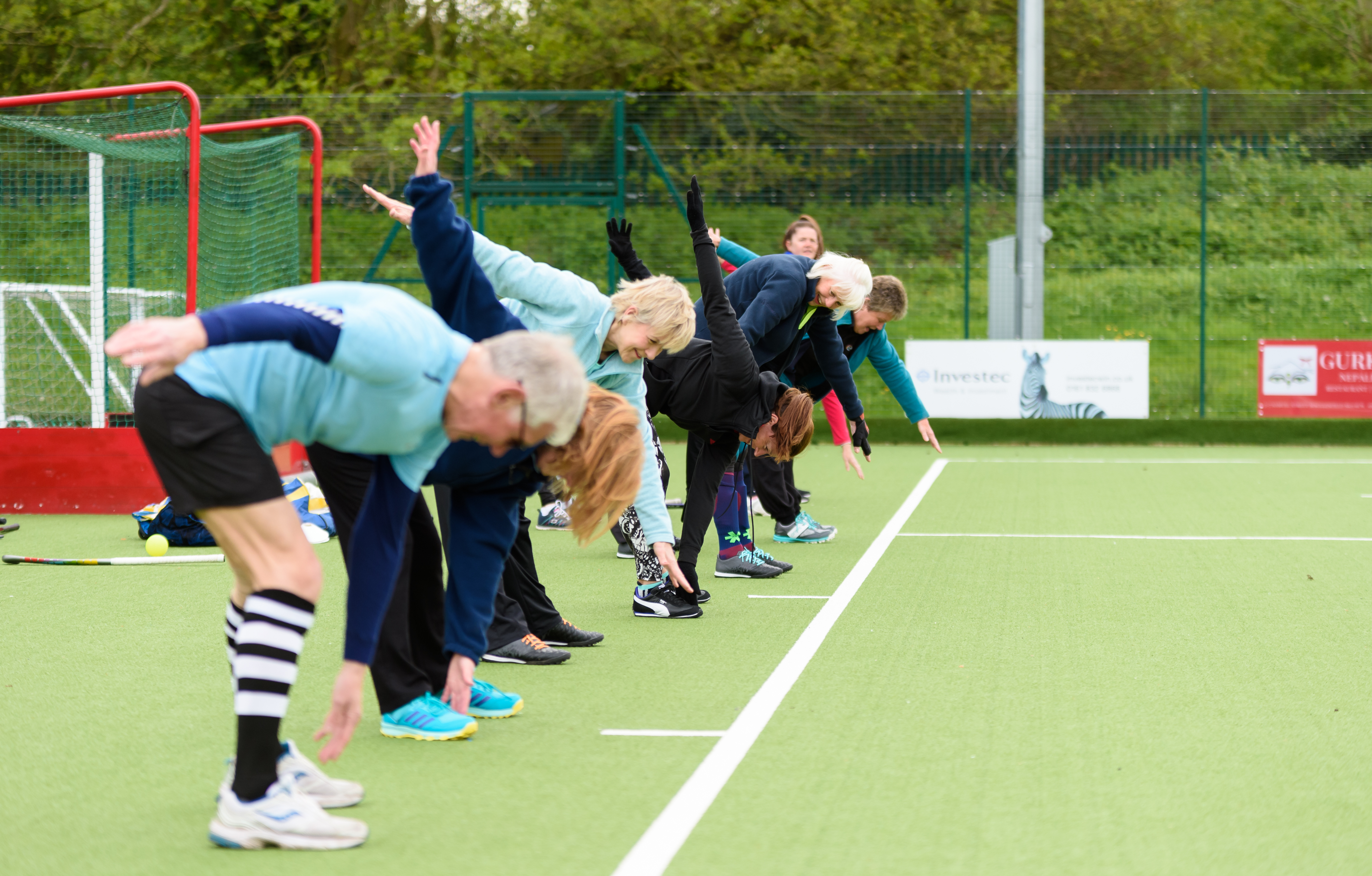
15 May 2026
Active Lincolnshire reflects on the latest Sport England Active Lives Survey, exploring rising activity levels nationwide alongside persistent inequalities, and setting out how partners can work together to create more inclusive, accessible opportunities for people to be active.
More