Our Impact
Read our Impact Report 25- 26 to find out more about our work
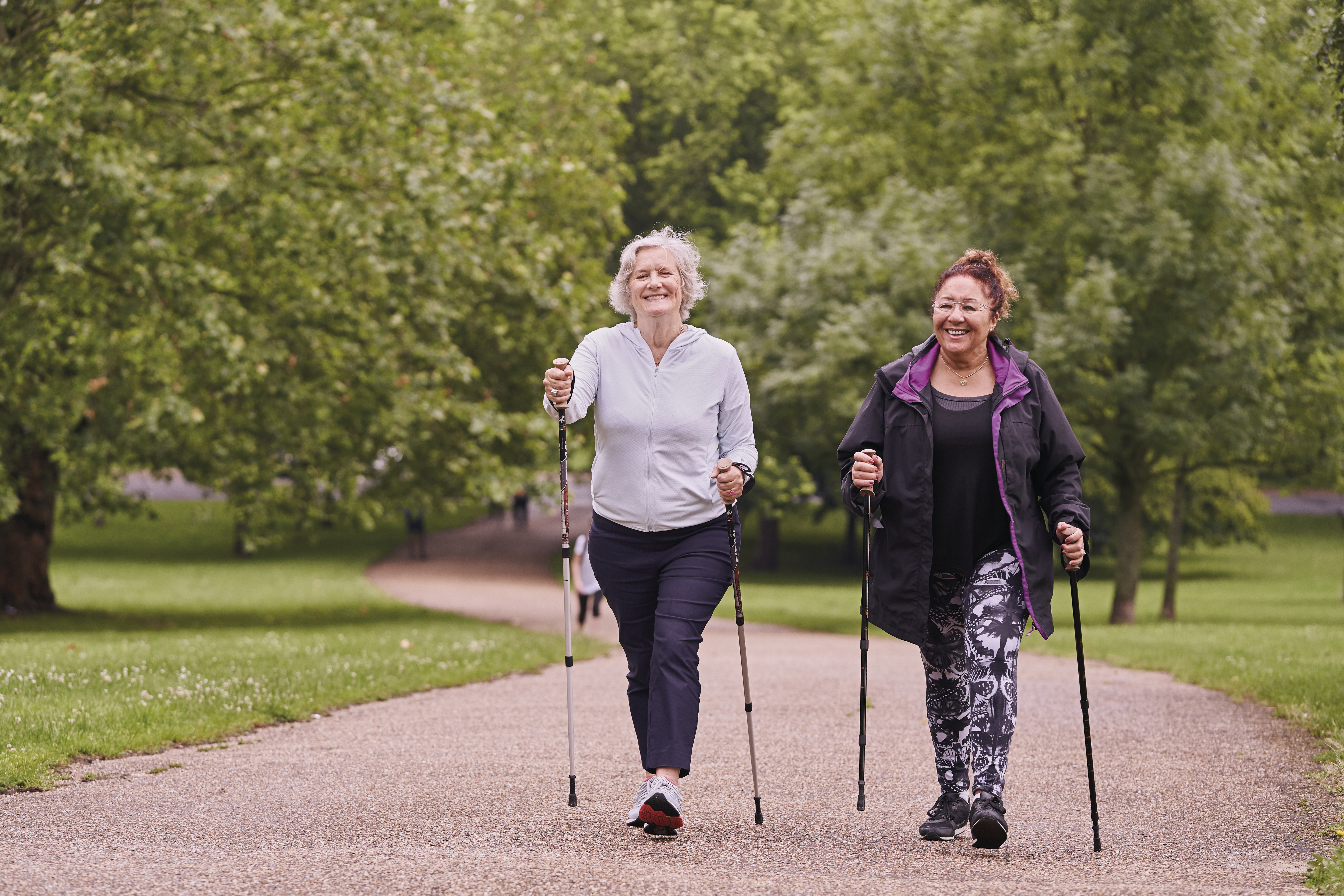
Across East Lindsey, older adults consistently told us that they wanted to stay active. They understood the benefits for their physical health, independence and wellbeing, however, many described a growing gap between intention and reality as they aged – one shaped not by motivation, but by confidence, access and changing health needs.
East Lindsey’s geography plays a significant role in shaping opportunity. Communities are often dispersed, public transport is limited, and access to facilities can depend on the availability of lifts from others. For older residents, particularly those living with long-term conditions, this creates multiple layers of friction.
Confidence also emerged as a critical factor. Many people described feeling uncertain about joining new activities, especially in unfamiliar leisure environments. Concerns about falling, exacerbating existing health conditions or “not keeping up” with others were common. Where activity felt physically challenging or socially intimidating, people were more likely to opt out altogether.
There was also a sense that available provision didn’t always feel appropriate. Some activities were perceived as too intense, too technical or insufficiently adapted to individual needs. Others required travel, payment, or independent navigation – all of which created additional barriers.
In response, local partners began to focus less on encouraging people to travel to activity, and more on bringing activity closer to where people already felt comfortable.
Activity sessions were increasingly hosted in familiar community venues – village halls, community rooms and trusted local spaces – reducing both physical and psychological distance. Importantly, these sessions were shaped around participants, not the other way around.
Support was central. Instructors and volunteers took time to understand individual needs, encourage gradual participation and create an environment where reassurance mattered as much as exercise. Social connection was not treated as an added benefit, but as a core component of the offer.
For some participants, the first step was simply attending and observing. Being able to sit, watch, chat and build familiarity helped reduce anxiety and made later participation feel possible.
Participants described feeling more confident, more connected and more optimistic about what they were able to do. Many spoke about increased willingness to move more in everyday life – walking more locally, standing for longer, or repeating exercises at home.
Crucially, activity was no longer framed as something separate from daily life. It became integrated, manageable and meaningful.
For volunteers and facilitators, the approach reinforced that success should not be measured solely by attendance numbers or intensity. Progress looked different for different people, and confidence was often the most significant outcome.
This experience highlights several important lessons for partners across health, leisure and community sectors:
By designing activity around people’s lived experience, rather than expecting people to adapt to systems, participation becomes more realistic and sustainable.
Supporting older adults to remain active is not about finding the perfect programme – it’s about creating environments that feel safe, welcoming and supportive, and recognising confidence as a critical enabler.
Our Community Partnership Learning from East Lindsey reinforces the importance of collaboration across sectors and the value of community‑based, people‑centred approaches that meet residents where they are.


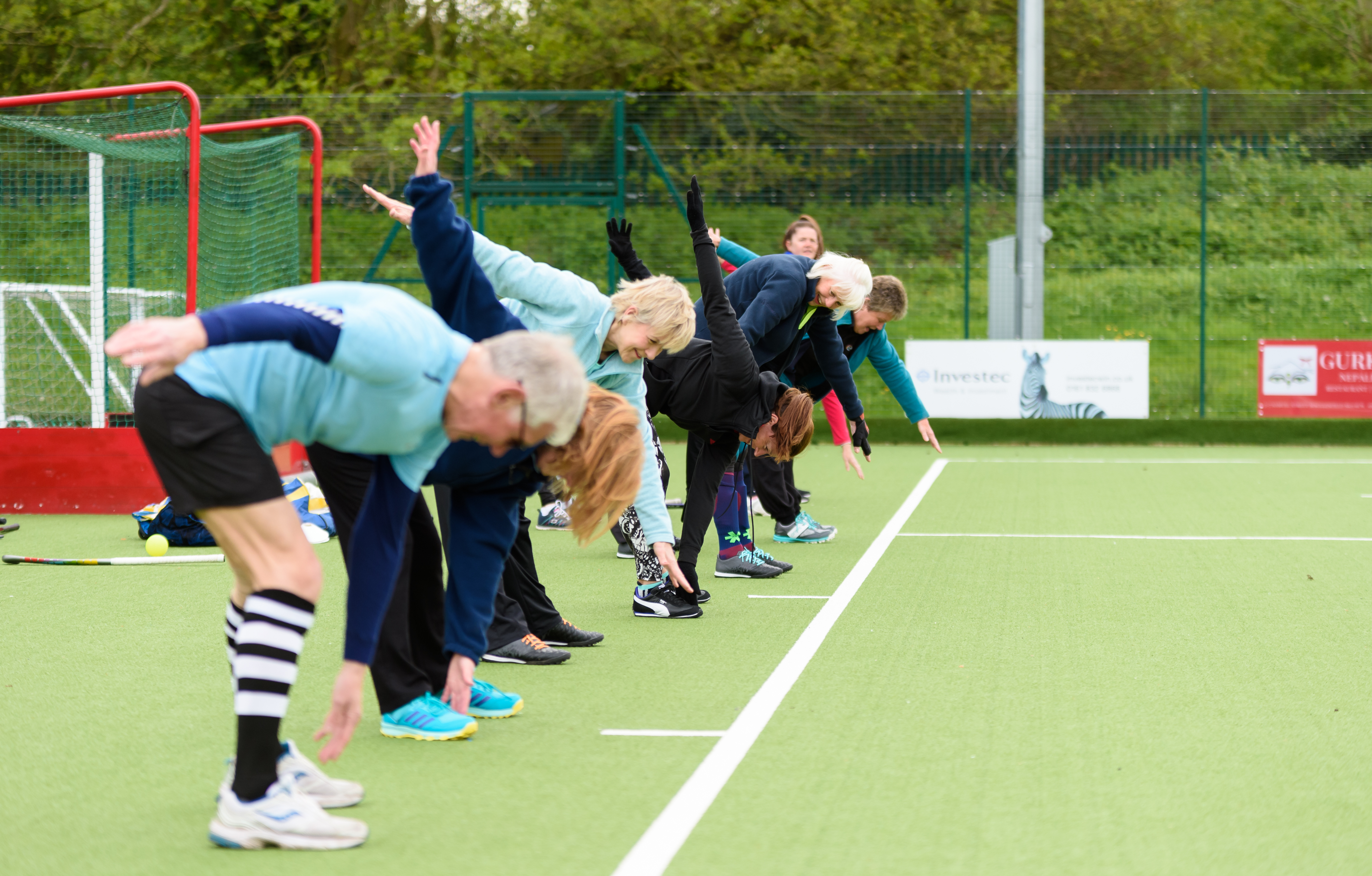
15 May 2026
Active Lincolnshire reflects on the latest Sport England Active Lives Survey, exploring rising activity levels nationwide alongside persistent inequalities, and setting out how partners can work together to create more inclusive, accessible opportunities for people to be active.
More
08 May 2026
This case study explores how Active Lincolnshire strengthened Board governance by placing equality, diversity and inclusion at the heart of decision‑making, supporting more inclusive leadership and tackling participation inequalities.
More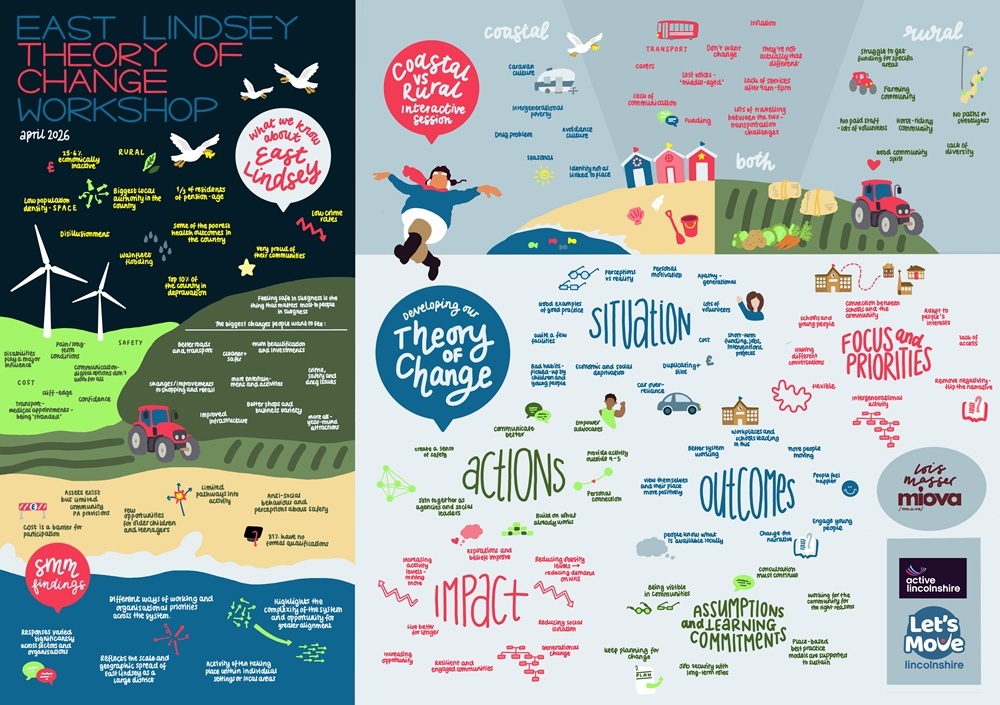
29 April 2026
In April, we held our first Theory of Change workshop in East Lindsey, exploring how we can enable more people to be more active, more often. Together we agreed the long-term outcomes we want and what needs to be in place to make change last. Read the full article to see what we’re learning and how community insight is guiding the approach to our Sports England Place Partnership development phase.
More