Finalists Announced
Take a look at the finalists for the Lincolnshire Sport & Physical Activity Awards 2026
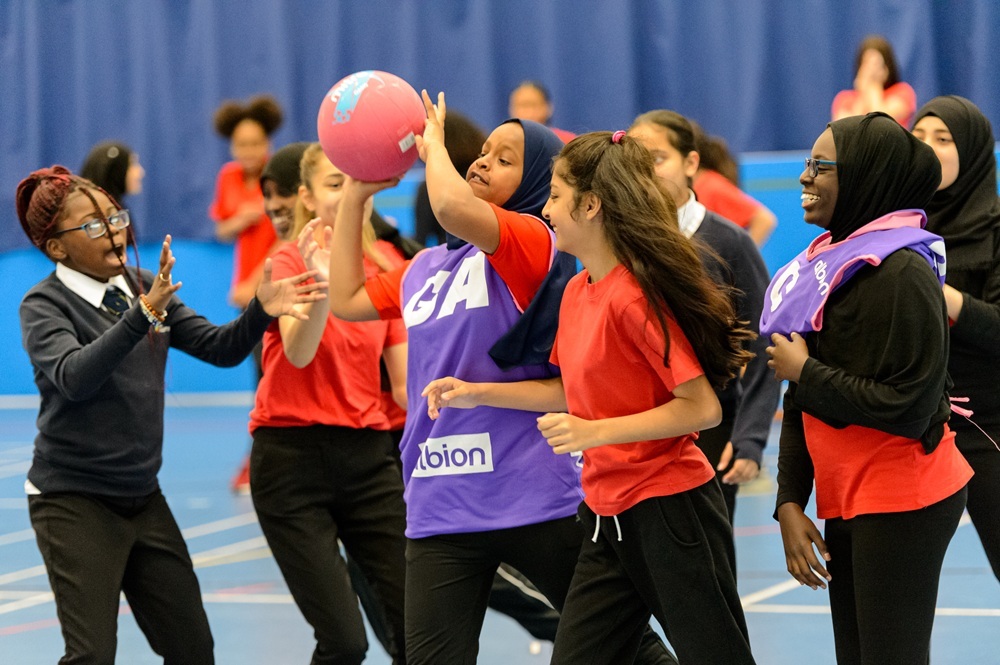
Across Lincolnshire, our latest place-based evaluation reinforces a simple but powerful truth: inactivity is rarely about motivation – it’s about access, connection and confidence.
At the same time, the government’s introduction of a new PE and School Sport Partnerships Network signals a significant shift in how physical activity is supported across the system. Moving away from a fragmented, school-led funding model towards a more connected, partnership-driven approach creates a timely opportunity – not just for education, but for whole-place change.
From an Active Lincolnshire perspective, this isn’t a departure from what works. It’s a chance to scale it.
Our findings across Boston, East Lindsey and South Holland highlight a consistent pattern: assets already exist, but they’re not fully activated or connected.
This reflects a system that is working, but not yet working together. The new Partnerships Network is designed to address exactly this challenge.
By bringing together schools, local organisations, leisure providers and national bodies, it creates the conditions for a more coherent, place-based system of support. For areas like ours, that matters.
Our insight is clear: schools remain one of the most powerful and consistent enablers of physical activity, particularly for children and young people.
In Boston, for example, engagement within schools is strong, but without clear routes into community activity, that participation is not sustained. Schools are often carrying the weight of delivery, without the support of a wider connected system.
The new partnerships model offers an opportunity to reposition schools – not as sole deliverers, but as anchors within a broader ecosystem of activity.
This is a critical shift. It allows us to:
For stakeholders across education and local systems, this is about shared responsibility and shared opportunity.
Our evaluation highlights the complexity of barriers shaping activity levels:
These are not challenges that can be solved through provision alone. They require coordinated, cross-sector responses – aligning education, health, local authorities, community organisations and infrastructure planning. The Partnerships Network creates a framework to do this more effectively:
From our perspective, this aligns strongly with what place-based insight is telling us: solutions must be designed around people, not programmes.
One of the most consistent findings across all three areas is the lack of clear, sustainable pathways. We see strong engagement in:
But too often, participation ends when the programme ends. The opportunity now is to move from isolated interventions to connected journeys. That means:
The Partnerships Network provides a structure to enable this, but its success will depend on how well it is embedded locally.
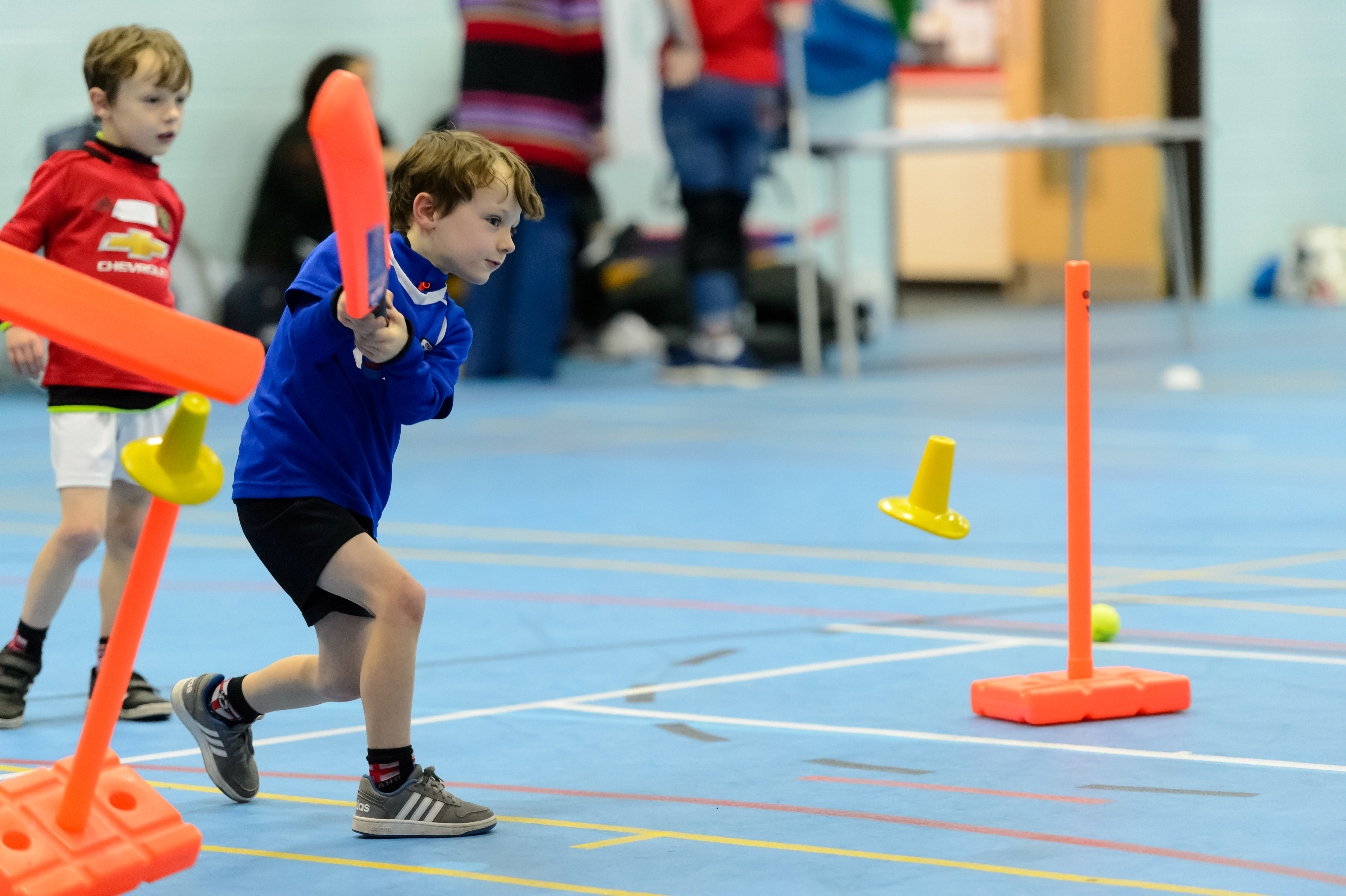
What this moment demands is not just delivery but leadership. The shift towards a partnerships model places greater emphasis on:
Our work across Lincolnshire has shown the value of this approach. Through community connectors, cross-sector engagement and local insight, we are already seeing how relationships and coordination drive impact. The new national framework gives this approach greater momentum and visibility.
The introduction of the PE and School Sport Partnerships Network represents a clear move towards a more connected, equitable and place-responsive system.
For us at Active Lincolnshire, the alignment is strong. The principles underpinning the new model – collaboration, targeting need, building pathways and activating local assets – reflect what we know works. The task now is to ensure that:
Because ultimately, the goal is not just to get more people active today but to create the conditions for activity to be a normal, accessible part of everyday life.
Read the Governments full announcement about the new PE and School Sport Partnerships Network.


26 May 2026
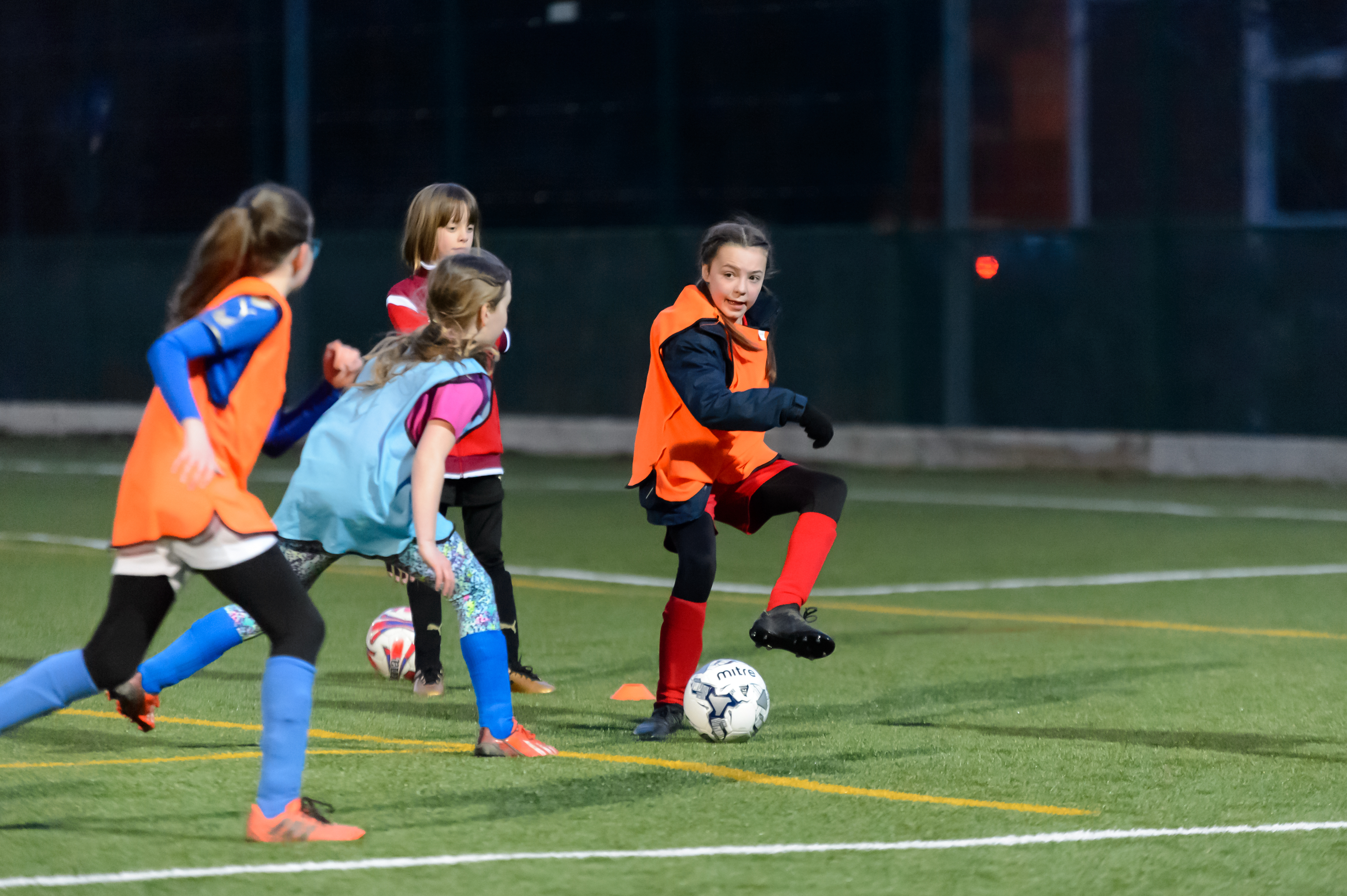
Active Lincolnshire highlights findings from Sport England’s Active Lives survey and our Community Partnership Learning, exploring inequalities in youth activity and place-based approach to improving access, inclusion and sustained participation to physical activity.
More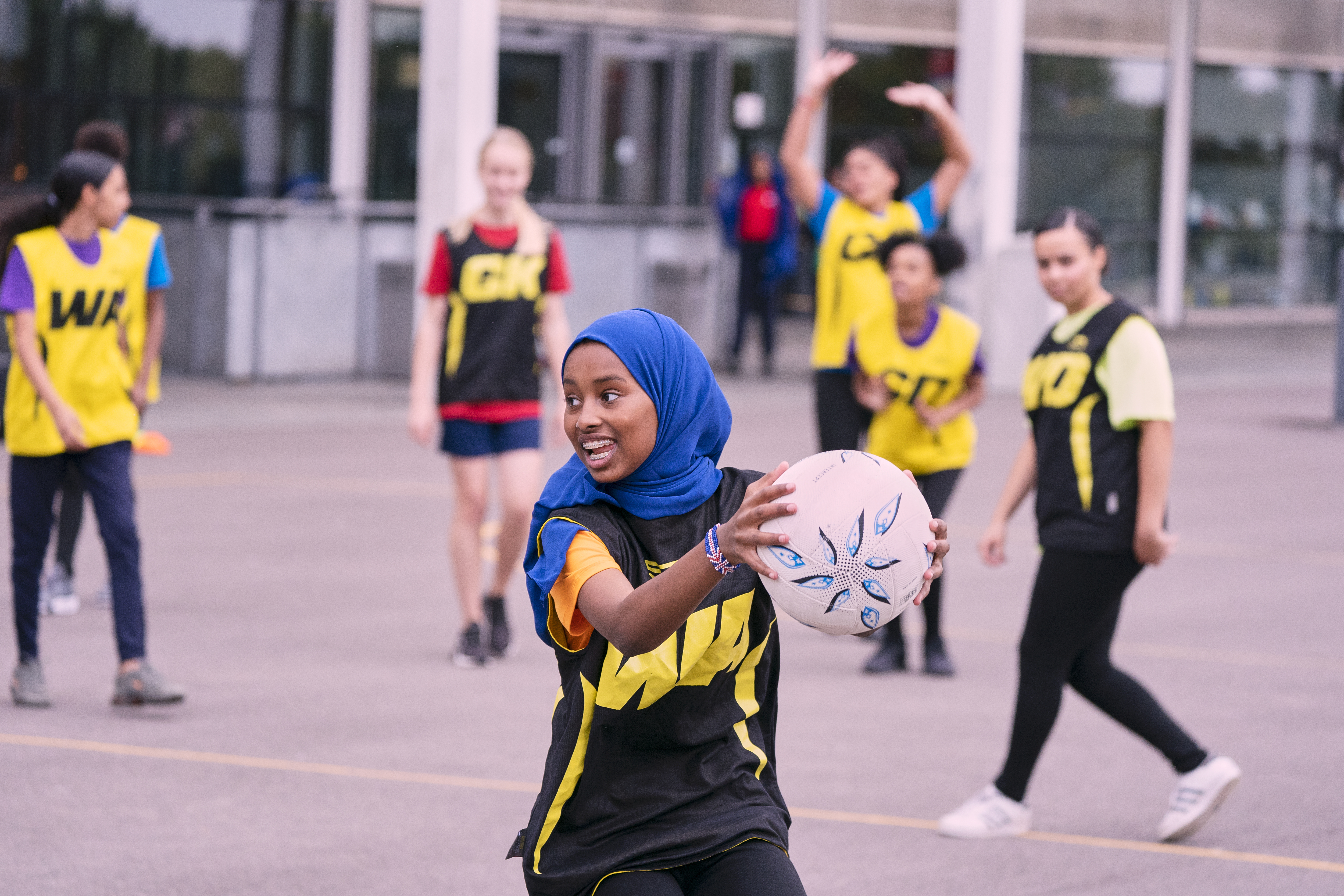
19 May 2026
Case study highlighting how Boston partners connect schools, families and community organisations to improve children’s physical activity, addressing barriers and creating clearer pathways for sustained participation beyond the school day.
More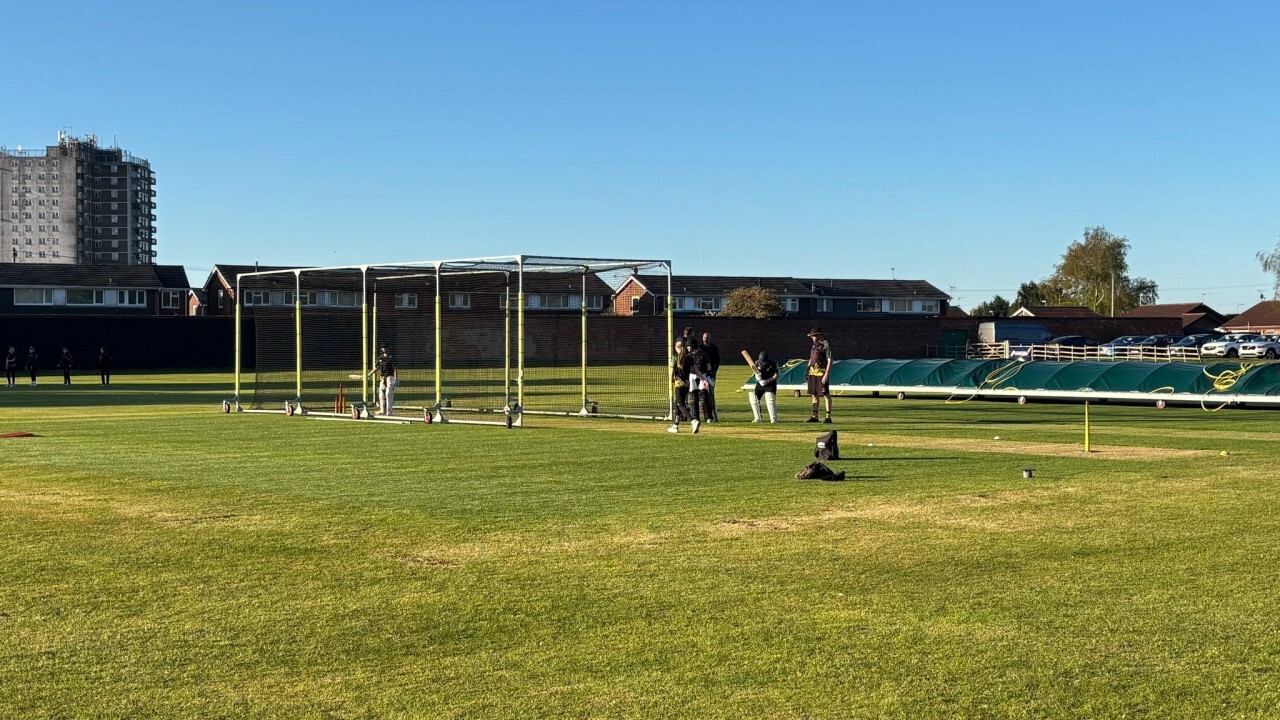
26 April 2026
What happens when an unused sports ground is reopened with inclusion at its core? After visiting Lincolnshire Cricket’s renewed Sobraon Barracks Ground, we reflect on what purpose-led facilities can teach us about embedding equality, diversity and belonging across sport locally.
More