Our Impact
Read our Impact Report 25- 26 to find out more about our work
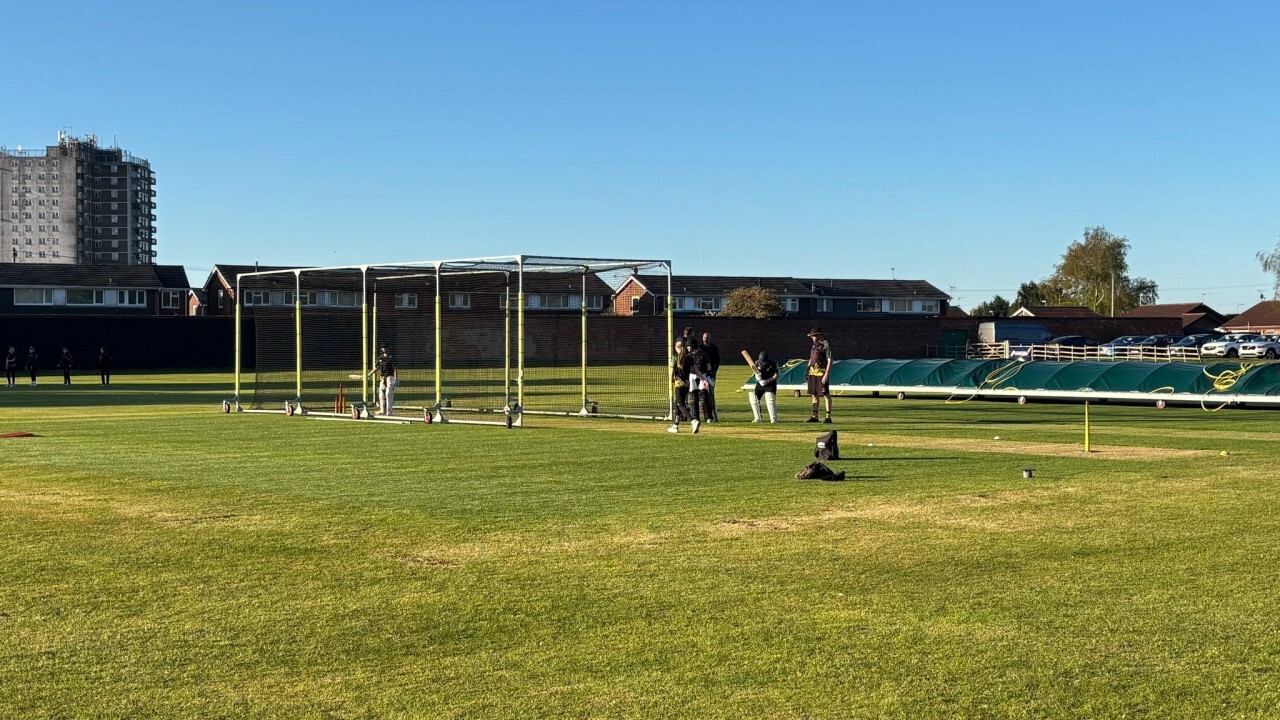
We recently had the privilege of being invited to the launch of Lincolnshire Cricket’s new women and girls’ performance hub at Sobraon Barracks Cricket Ground in the heart of Lincoln.
This wasn’t just the reopening of a facility. It felt like something far more significant.
For over three years, this ground had sat unused – a dormant space with enormous potential but no clear purpose. Standing there now, with the square restored and the outfield once again part of the community, it was impossible not to reflect on what sport has the power to do when it’s led with intention. When done well, sport doesn’t just regenerate spaces – it reconnects people and rebuilds opportunity.
Facilities like this don’t come back to life by accident. They take commitment, collaboration and belief. That effort was evident throughout the site and in the conversations we had on the day. This project represents hard work behind the scenes, but more importantly, it reflects clarity about why this space exists and who it is for.
When Lincolnshire Cricket spoke about their vision for the hub, it wasn’t framed solely around performance outcomes or future talent identification. Instead, the conversation centred on access, opportunity and long-term participation and that focus matters.
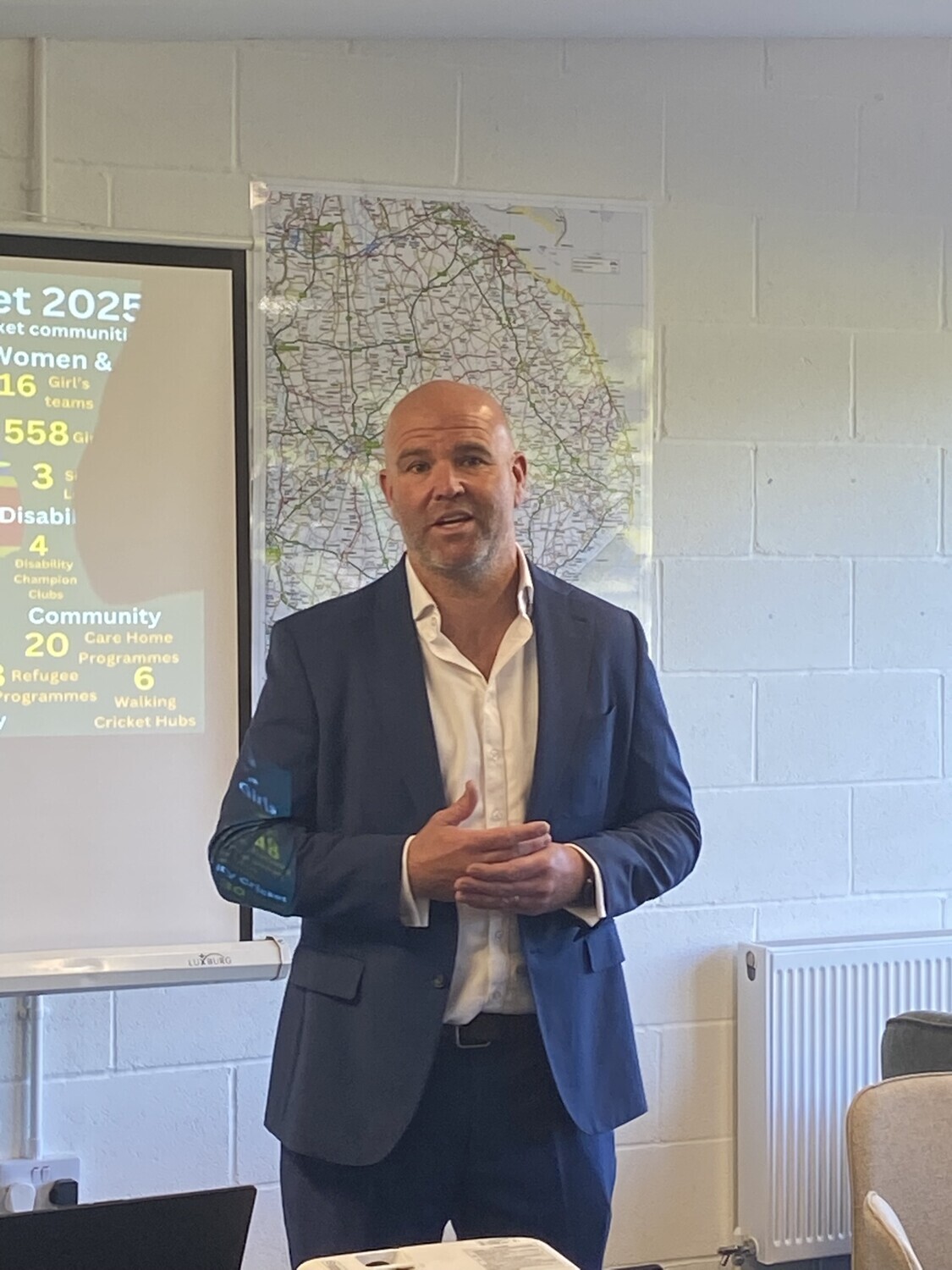
Too often, sport still treats equality, diversity and inclusion as something peripheral – a policy document, a programme on the side, or a statement of intent rather than lived practice. What we saw at Sobraon Barracks felt different.
Here, inclusion isn’t an add-on. It’s foundational.
You can see that in the breadth of activity taking place: from table cricket creating meaningful opportunities for people with disabilities, to walking cricket enabling older adults to remain active and socially connected, to All Stars and Dynamos programmes that introduce children to the game through fun, confidence and belonging before anything else. These approaches recognise that people engage with sport in different ways, and that systems should adapt to people, not the other way around.
But this also raises an important challenge for all of us working in sport and physical activity.
If inclusion only exists within specific sessions or labelled programmes, then we simply haven’t gone far enough. True inclusion is embedded across a club’s culture – in coaching behaviours, in communication, in decision-making, and in how welcome people feel the moment they arrive. Inclusion isn’t measured by how many people cross the threshold; it’s measured by who stays, who feels they belong, and who has a voice.
From a systems perspective, this is where facilities like Sobraon Barracks play a vital role, but they’re only one piece of the puzzle. Spaces matter, programmes matter, but people matter most.
Coaches, volunteers, leaders and staff are the ones who shape the environment. If that environment isn’t intentionally inclusive, the system breaks down, regardless of how good the facility looks on the surface.
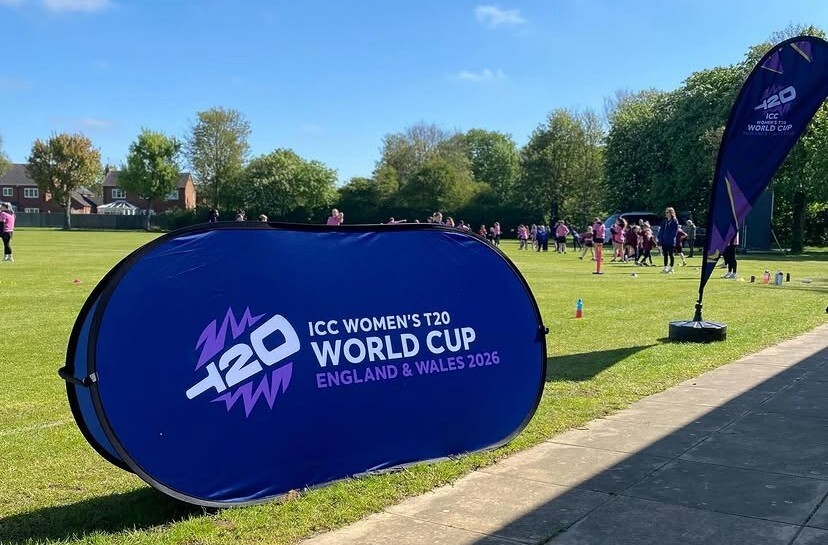
What’s particularly encouraging about what Lincolnshire Cricket is developing here is the alignment. The facility has a clear purpose. The programmes are thoughtfully designed. And the leadership demonstrates a genuine commitment to widening access and participation. This joined-up thinking is how we grow sport – not by narrowing who it’s for, but by opening it up in ways that are intentional, sustainable and rooted in community need.
At Active Lincolnshire, we talk a lot about people pathways, not just performance pathways. Because sport at its best strengthens communities, builds confidence and creates lifelong relationships with movement. When EDI becomes a mindset rather than a strategy, the impact extends far beyond the boundary rope.
What we saw at Sobraon Barracks is what good can look like when values are translated into action, and it’s a standard worth aspiring to across the system.