Finalists Announced
Take a look at the finalists for the Lincolnshire Sport & Physical Activity Awards 2026
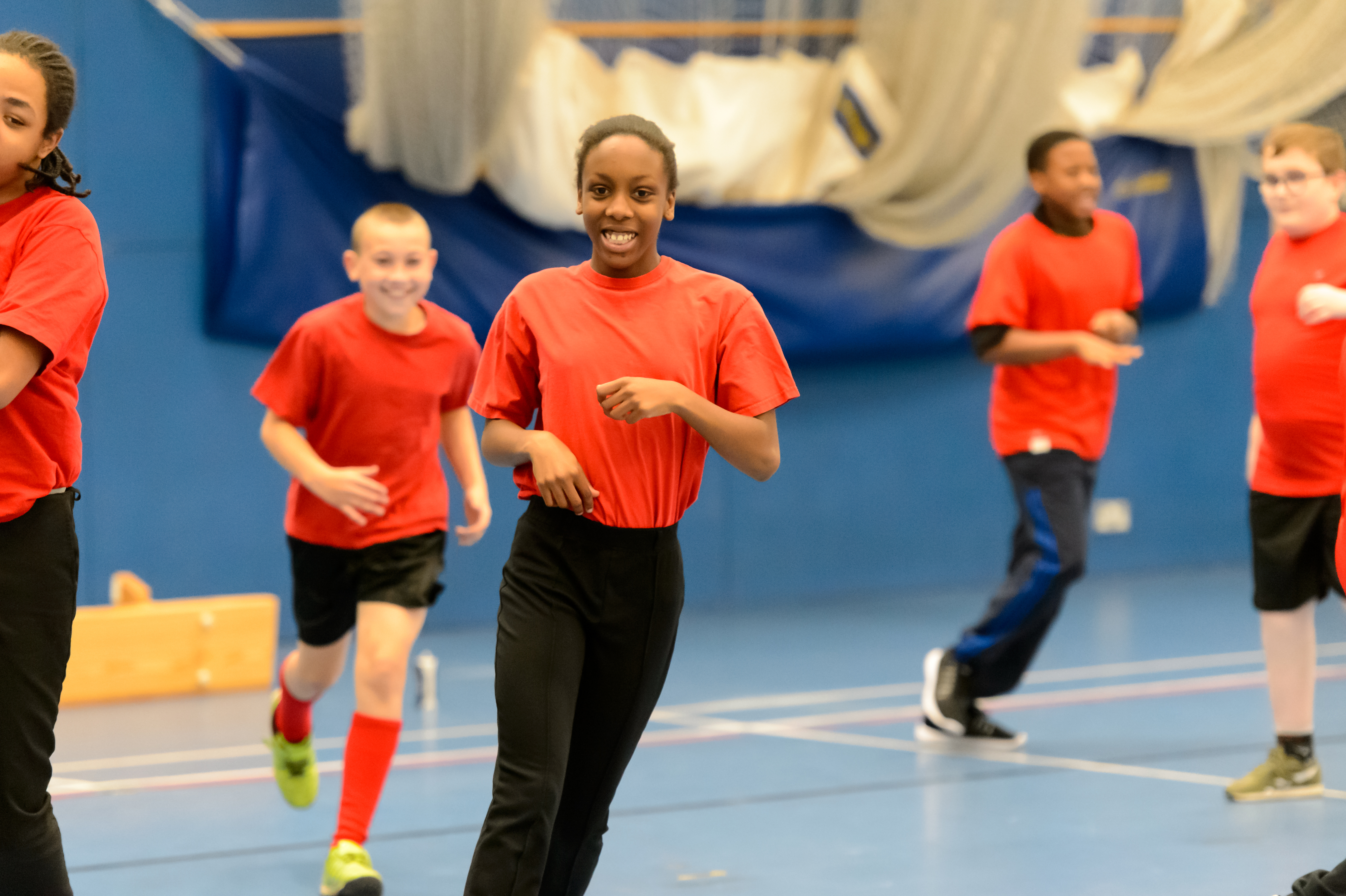
At Active Lincolnshire, we’ve long believed that if we want to help more children be active, we have to start by listening – properly listening – to their lived experiences. That’s why we commissioned the Active Schools Test and Learn Report through our Community Connectors, working directly with schools, families and young people across Boston.
What the insight gave us was not just more data, it gave us clarity. Children want to be active, schools are working hard and doing a great job, but what happens beyond the school gates tells a very different story. And crucially, that story is not the same everywhere.
Too often, we talk about inactivity as if it’s one problem with one answer. More provision, more clubs, more sessions, but what our work in Boston shows is something far more complex, and far more important.
There isn’t one problem, there are many and they depend on where a child lives. In Boston, we saw two very different realities emerge.
For children living in more urban parts of Boston, the issue isn’t always a lack of facilities. Parks exist, green spaces are there. On paper, there are opportunities, but that’s not what children told us.
They spoke about:
So they adapt. They stay where they feel secure – at home or at school. What this means in practice is that availability does not equal accessibility.
A park that feels unsafe is not a park a child will use, and when that happens, physical activity is squeezed out of everyday life – not because of a lack of motivation, but because the environment doesn’t support it.
Move beyond the town centre into rural communities, and the picture changes.
Here, safety is less of a concern. Instead, children and families face a different set of barriers:
What we hear repeatedly is simple: “There’s not much to do.” And when the nearest activity requires a car journey, a free evening, and often a cost attached, participation becomes conditional. If any one of those elements isn’t in place, activity doesn’t happen.
Again, this isn’t about willingness, it’s more about friction.
Across both contexts, urban and rural, the conclusion is the same. Children are not the problem. In fact, they consistently told us they understand the benefits of being active, they enjoy it, and they want more opportunities to move. The challenge lies in the systems around them:
What we’re seeing is a gap between provision and participation.
If the barriers are different, then the solutions must be too.
A town-centre intervention focused on improving safety, lighting and maintenance will have real impact – but it won’t solve the transport challenges faced in surrounding villages.
Equally, expanding provision in rural areas won’t address the perception of unsafe public spaces in urban neighbourhoods.
This is why we need to move away from blanket approaches and towards place-based solutions – responses that recognise the unique conditions of each community.
At Active Lincolnshire, this insight is shaping how we think and how we act. We know that schools are doing a huge amount of the heavy lifting when it comes to children’s physical activity, but we also know they cannot do this alone.
So our focus is on working with system partners to strengthen what sits around the school day.
That means:
It also means recognising that activity doesn’t just happen in formal settings. Informal play, everyday movement, and local environments all play a critical role – and deserve equal attention.
If there is one thing this work has reinforced, it’s this: we don’t need to convince children to be active, they’re already convinced.
Our job is to create the conditions that make activity possible – wherever they live.
And that requires a shift:
Because until we design with place in mind, we will continue to design solutions that only work for some children, some of the time.
At Active Lincolnshire, we’re committed to doing this differently – working alongside partners, communities and families to build a system where every child has the opportunity to be active, not just in school, but in the places they live, every day.


02 June 2026
We're excited to announce nominations for the Active Lincolnshire Sport & Physical Activity Awards 2026 are now open!
More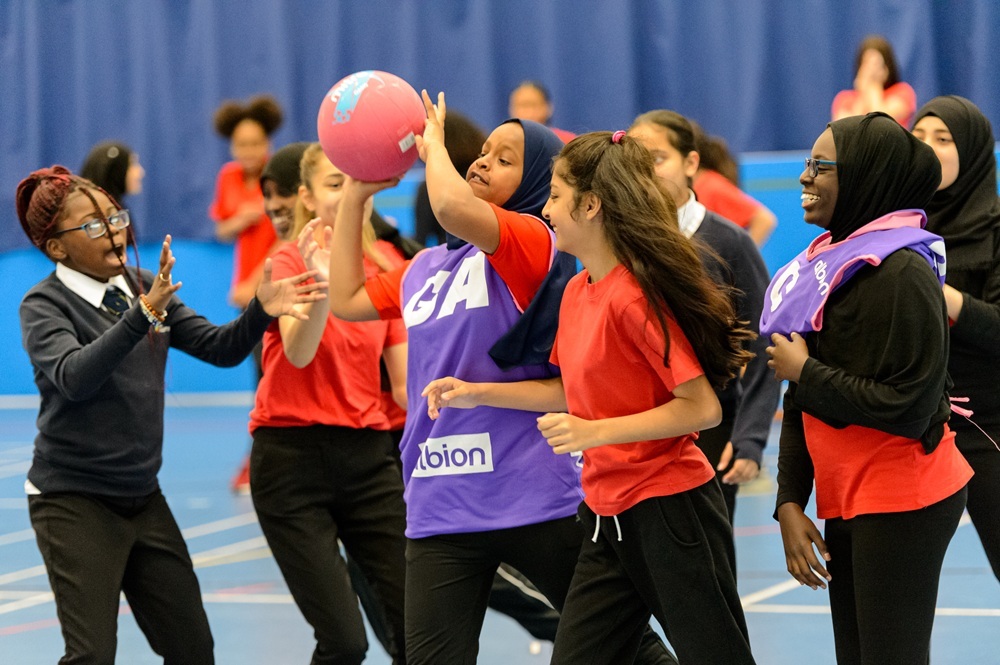
15 June 2026
We explore how the new PE and School Sport Partnerships Network aligns with place-based insight, highlighting opportunities to connect systems, strengthen schools’ role, and create sustainable pathways for physical activity.
More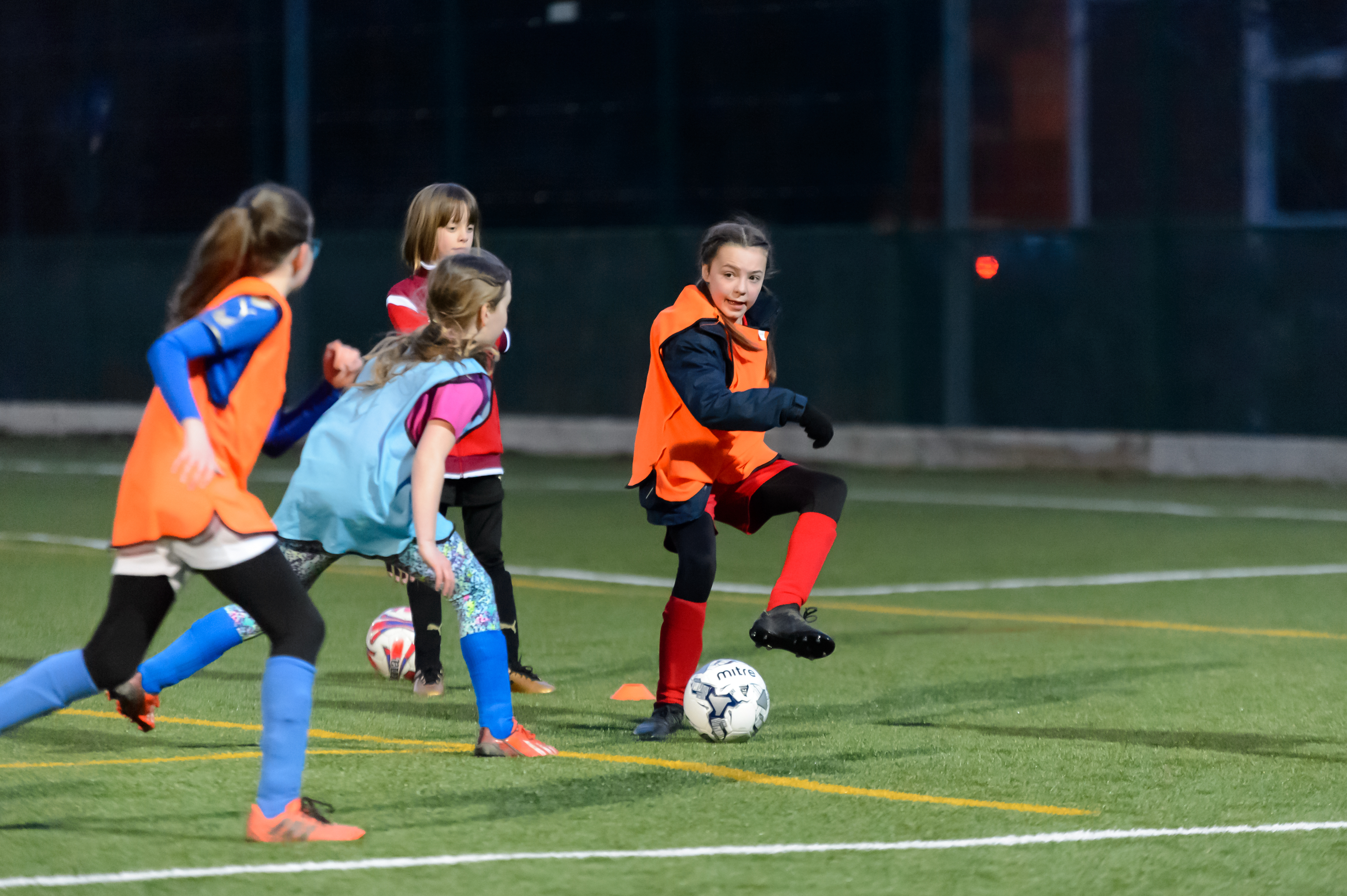
26 May 2026
Active Lincolnshire highlights findings from Sport England’s Active Lives survey and our Community Partnership Learning, exploring inequalities in youth activity and place-based approach to improving access, inclusion and sustained participation to physical activity.
More