Our Impact
Read our Impact Report 25- 26 to find out more about our work
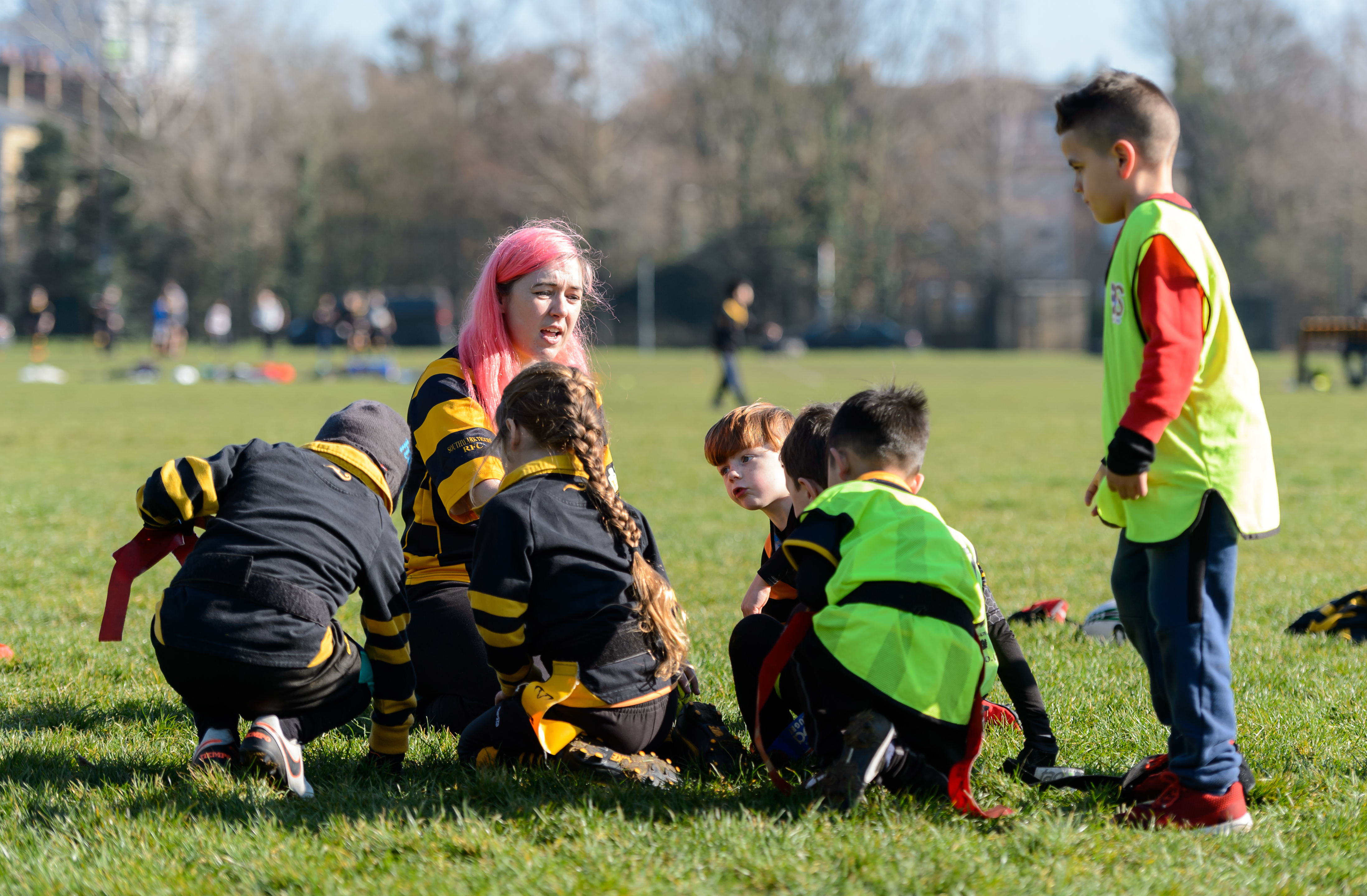
When we talk about access to physical activity – transport and cost often dominate the conversation. But across our Community Partnership Learning in Boston, another factor emerged strongly: how spaces feel.
Parks, play areas and community spaces exist in many neighbourhoods, yet they’re not always used. For the children, young people and families we spoke to, the question was not “Is there a park nearby?” but “Do I feel safe being there?”
In Boston, feedback consistently referenced antisocial behaviour, poorly maintained equipment and lack of lighting or supervision. Over time, some spaces developed a local reputation as “no‑go” areas. Once that perception is established, it becomes self‑reinforcing, leading to further underuse and disengagement.
This isn’t unique to Boston, nor is it about isolated incidents. It’s about the lived experience of using a space day to day. Safety, in this context, is as much about visibility, activity and care as it is about crime.
When spaces look neglected or empty, they’re less inviting. When there’s no clear presence or sense of shared ownership, people withdraw.
For many families, parks and green spaces are the most accessible form of physical activity. They’re free, local and familiar. When these spaces feel unsafe or unwelcoming, opportunities for everyday movement are lost.
Children stop playing outside, families avoid walking routes and informal activity declines, even though the infrastructure technically exists. This reinforces a wider learning – access is emotional as well as physical.
Our learning has prompted a shift away from simply thinking about additional provision, and towards making better use of what already exists.
This means:
Small changes can make such a significant difference. When spaces are busy, cared for and clearly used by others, perceptions begin to shift.
Creating safer, more welcoming spaces cannot sit with one organisation alone. Parks teams, community safety, youth services, schools, health and VCSE organisations all have a role to play.
Our learning highlights the importance of system coordination around Place. When partners work in isolation, gaps appear but when efforts align, spaces become more resilient.
Feeling safe is not an added extra – it’s foundational. As we move forward, the learning from Boston reminds us that physical activity is deeply connected to wider conversations about Place, belonging and trust. By listening carefully to community experience and working collectively, we can begin to reshape how local spaces support everyday movement.


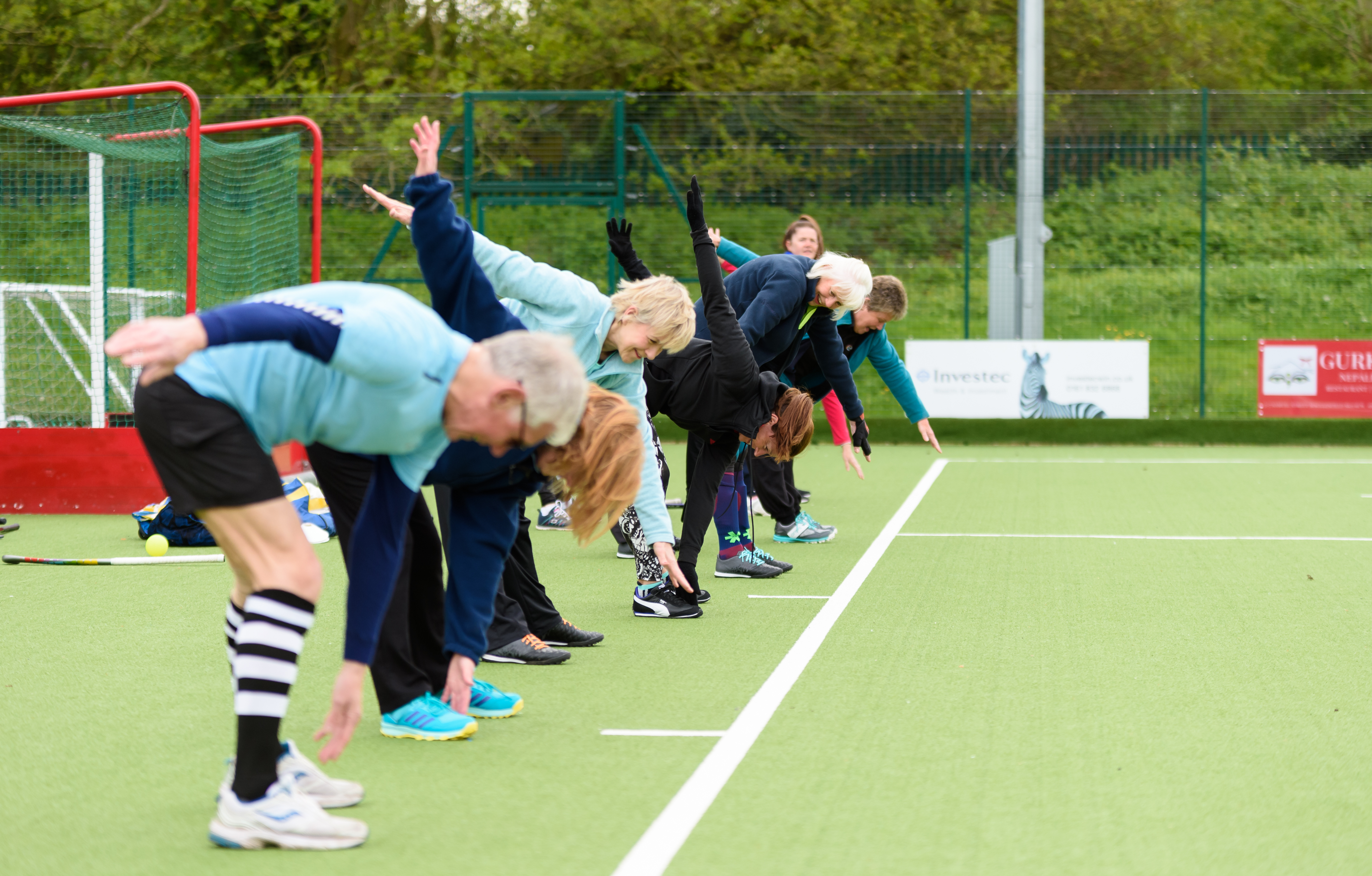
15 May 2026
Active Lincolnshire reflects on the latest Sport England Active Lives Survey, exploring rising activity levels nationwide alongside persistent inequalities, and setting out how partners can work together to create more inclusive, accessible opportunities for people to be active.
More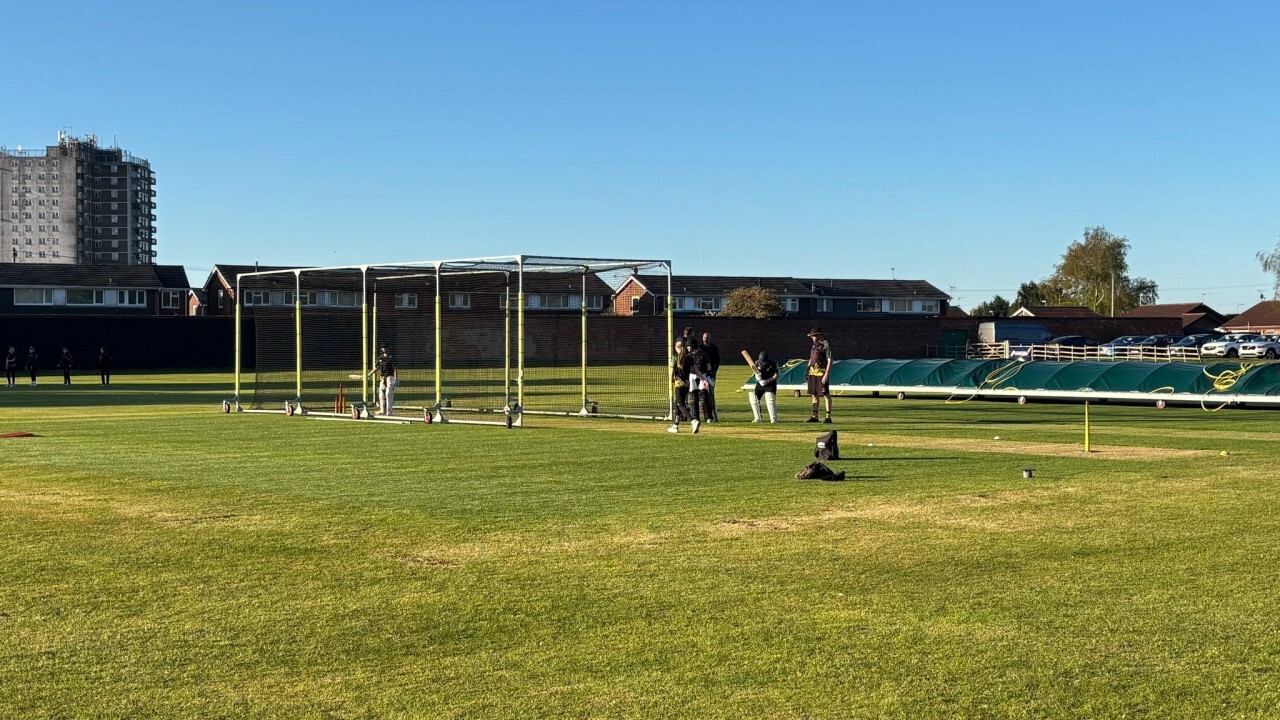
26 April 2026
What happens when an unused sports ground is reopened with inclusion at its core? After visiting Lincolnshire Cricket’s renewed Sobraon Barracks Ground, we reflect on what purpose-led facilities can teach us about embedding equality, diversity and belonging across sport locally.
More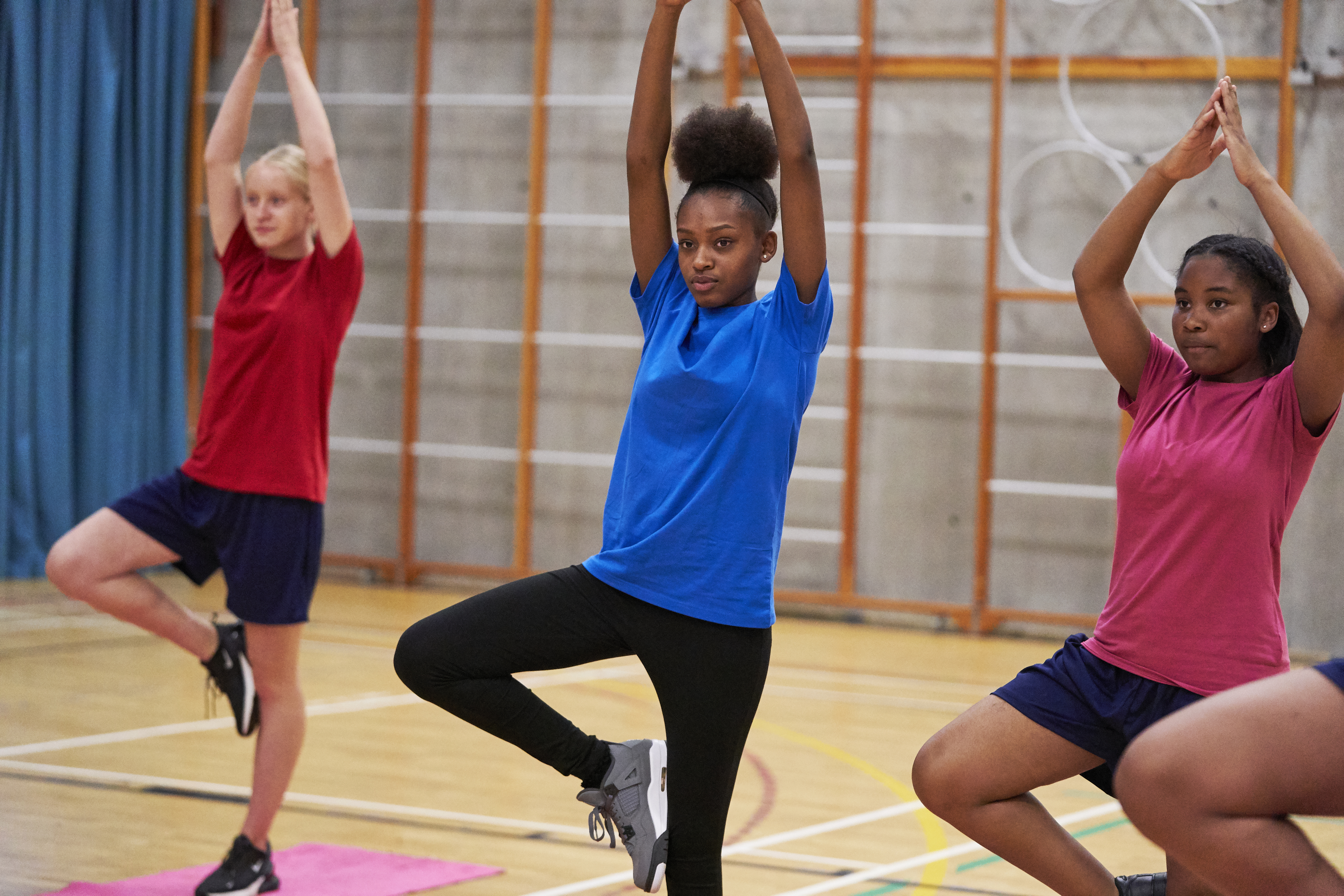
14 May 2026
Community insights reveal that inactivity isn’t driven by motivation but by barriers to access, safety and inclusion. This blog explores how systems, environments and cultural relevance shape participation, highlighting the need for collaborative, community-led solutions that make physical activity realistic, welcoming and sustainable.
More