Our Impact
Read our Impact Report 25- 26 to find out more about our work
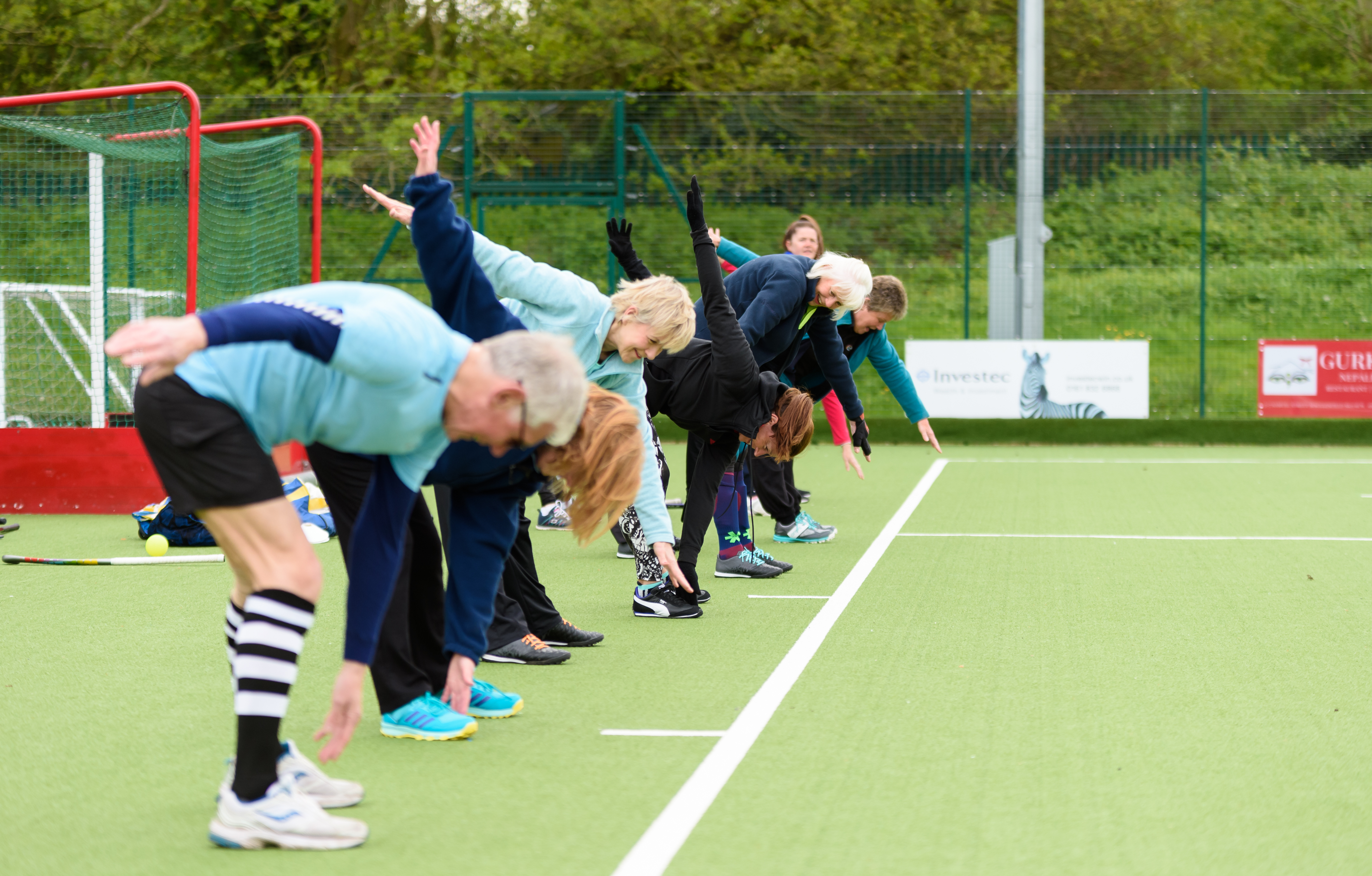
The latest Sport England Active Lives Adult Survey (November 2024–25) offers something we haven’t always been able to say with confidence: the nation is becoming more active! It’s a moment we should recognise and celebrate, but as ever, our responsibility in Lincolnshire is not to simply reflect national success – it’s to ask what it means for our communities, where it resonates, and more importantly, where it does not.
Because within the positivity lies a deeper truth: progress is not evenly shared and this is where our work begins.
A nation moving forward, but not equally
The headline figures from the survey are encouraging. Just over 64.6% of adults in England are now meeting the Chief Medical Officers’ guidelines of at least 150 minutes of activity per week – the highest level since the survey began. That equates to over 30.9 million active adults, with an additional 850,000 people becoming active in the past year alone. At the same time, inactivity has fallen to 24.7%, continuing the long-term downward trend.
Taken at face value, these are transformative shifts. They reflect a growing national awareness of the value of physical activity, not just in physical health terms, but in mental wellbeing, confidence, and connection. The survey reinforces that link clearly – those who are active consistently report higher life satisfaction, happiness, and sense of purpose.
Yet data alone does not tell the whole story. When we move beyond the headline figure, a more complex, and more human, picture emerges.
Inequality remains the defining challenge
For all the progress, inequality continues to shape who is active and who is not. The survey highlights persistent disparities across gender, socio-economic background, disability, ethnicity and place. Women remain less active than men; those from the least affluent communities are significantly less active than those from the most affluent; and people living with disabilities face ongoing barriers to participation.
Perhaps most starkly, only 44% of adults with two or more characteristics of inequality are active, compared to 75% of those with none. This isn’t simply a statistical gap, it’s a lived reality – one that reflects access to opportunity, inclusion, confidence, environment, and support networks.
And crucially, where you live continues to matter. Activity levels in the most deprived communities have not kept pace with the rest of the country over the long term. While the least deprived areas have seen sustained growth, activity in the most deprived places has actually declined slightly over the past decade. This widening gap is particularly relevant for us here in Lincolnshire.
What this means for Lincolnshire
Lincolnshire is a county of great strengths – strong communities, natural environments, and deep-rooted pride in place but the data reminds us that we also face structural challenges, particularly in rurality, deprivation, and access.
The survey’s local authority data brings this into sharp focus. Boston has one of the lowest activity rates in the country, with just 48% of adults meeting activity guidelines. Meanwhile, East Lindsey has seen declines in activity levels over the longer term.
These are not isolated figures – they represent communities where barriers to being active are real and ongoing. Whether that’s affordability, transport, confidence, safety, or simply the opportunity to take part, the challenge is multifaceted.
At the same time, we should recognise that Lincolnshire reflects many of the national positives too. Older adults, who form a significant proportion of our population, are driving much of the growth in activity levels.
There are more opportunities than ever for people to be active in ways that suit them – whether through walking, fitness, or informal forms of movement. Our role is to ensure that those opportunities are accessible to everyone, not just those who already benefit.
The rise of different ways of being active
Another key insight from the survey is that how people are being active is changing. Walking remains the most popular activity, with long-term growth of 4.6 million additional participants over the past decade.
Fitness activities continue to rise, with nearly one million more people taking part compared to last year. These trends matter for Lincolnshire as they reflect a shift away from traditional models of sport towards more flexible, accessible, and individualised activity.
For rural and coastal communities in particular, this presents an opportunity. It allows us to think differently about how and where activity happens, whether that’s through outdoor spaces, community-led sessions, or integrating movement into everyday life.
But it also raises important questions around equity. Access to facilities, transport, and safe environments varies across the county. Without intentional focus, these new opportunities risk reinforcing existing inequalities rather than addressing them.
EDI: inclusion must be central, not peripheral
Equity, diversity and inclusion aren’t separate considerations, they’re at the heart of what the data is telling us. The survey shows that while progress is being made, perceptions of inclusion remain uneven. Only 24% of adults strongly agree that the places where they exercise are inclusive and welcoming. Similarly, just 21% strongly agree that they see people like themselves in those environments. These figures are even lower among those with multiple characteristics of inequality.
This aligns with what we hear across Lincolnshire: that feeling welcome, safe, and represented is just as important as having access.
If we’re serious about tackling inactivity, EDI cannot be an add-on. It must be embedded in how we design spaces, programmes, and systems.
This means:
It also means recognising intersectionality, the compounding effect of inequalities that the survey highlights so clearly.
Skills: the foundation of sustainable change
Alongside EDI, skills emerge as a critical enabler. The survey’s findings on volunteering reinforce this. While 22.7% of adults are volunteering in sport and physical activity, levels remain below pre-pandemic figures.
Moreover, there are clear inequalities in who volunteers. Those from lower socio-economic groups are underrepresented, and people with disabilities are less likely to volunteer.
This really matters because volunteers, and the wider workforce, are the backbone of our sector. In Lincolnshire, building skills isn’t just about workforce development, it’s about empowering communities. It’s about enabling local people to lead activity, to create opportunities, and to sustain change from within.
Investing in skills means:
This is particularly important in areas where traditional provision may be limited. Skills unlock local capacity, and local capacity drives long-term impact.
The power of Place
Perhaps the most important message from the survey is this: Place matters.
Sport England’s Place Partnerships – areas including parts of Lincolnshire – have lower activity levels than the national average (61% vs 65%), but higher than the most deprived areas overall.
Importantly, these areas are seeing positive long-term growth and this tells us that targeted, place-based approaches work.
Here in Lincolnshire, we are applying that learning through our Place work, particularly in Boston, East Lindsey and South Holland.
These are communities with distinct identities, challenges, and strengths. Our role is not to impose solutions, but to work alongside partners and residents to create the conditions for people to be active in ways that matter to them.
That means:
In Boston, where activity levels are among the lowest in England, this approach is critical. In East Lindsey, where long-term declines have been recorded, it’s urgent. In South Holland, where rurality shapes access and opportunity, it’s essential.
From insight to action
So what does success look like for Lincolnshire?
It’s not simply increasing activity levels, though that remains important. It’s reducing the gap between those who are active and those who are not.
It’s ensuring that every resident – regardless of background, ability, or postcode – has the opportunity, confidence, and support to be active.
It’s creating environments where people feel they belong, and it’s building a system that sustains this for the long term.
The Active Lives Adult Survey provides both validation and challenge.
Validation that progress is possible.
Challenge that we must go further, particularly for those communities who have yet to feel the benefits.
A call to collective ambition
At Active Lincolnshire, we believe that physical activity is a catalyst for wider change. It supports healthier lives, stronger communities, and a more inclusive society. But achieving that vision requires collective ambition.
It requires partners across sectors to align around a shared goal. It requires investment – not just in provision, but in people, places, and systems. And it requires us to stay focused on those who need the most support.
The survey gives us clarity on where to focus, our Place work shows us how to act – now is the moment to bring those together.
Looking ahead with optimism
There is much to be positive about. More people are active, more opportunities exist and there is growing recognition of the value of physical activity in improving lives.
But optimism must be matched with intent because in Lincolnshire, we know that change does not happen by accident. It happens when we listen, when we collaborate, and when we commit to doing things differently.
The Sport England Active Lives Adult Survey reminds us that progress is possible. Our job is to ensure that progress reaches everyone. And in Boston, East Lindsey, South Holland and across all our communities in Lincolnshire, that is exactly what we intend to do.


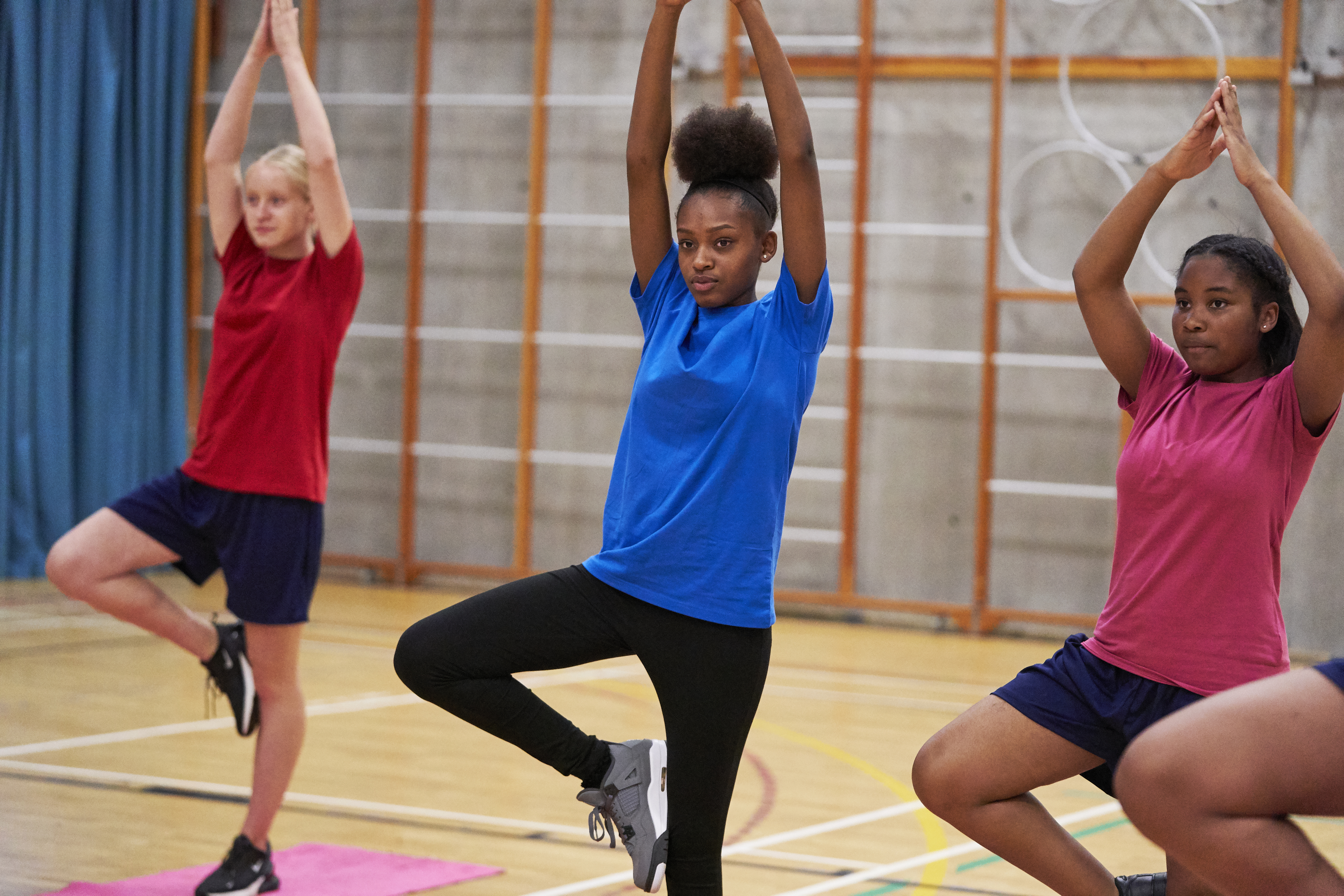
14 May 2026
Community insights reveal that inactivity isn’t driven by motivation but by barriers to access, safety and inclusion. This blog explores how systems, environments and cultural relevance shape participation, highlighting the need for collaborative, community-led solutions that make physical activity realistic, welcoming and sustainable.
More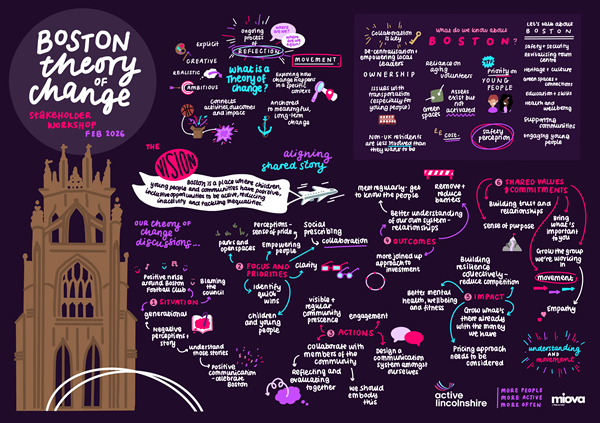
12 February 2026
As part of our work in Place, we recently brought together a network of partners and stakeholders to co-create a Theory of Change for Boston - a shared vision that will guide and energise the next phase of our work.
More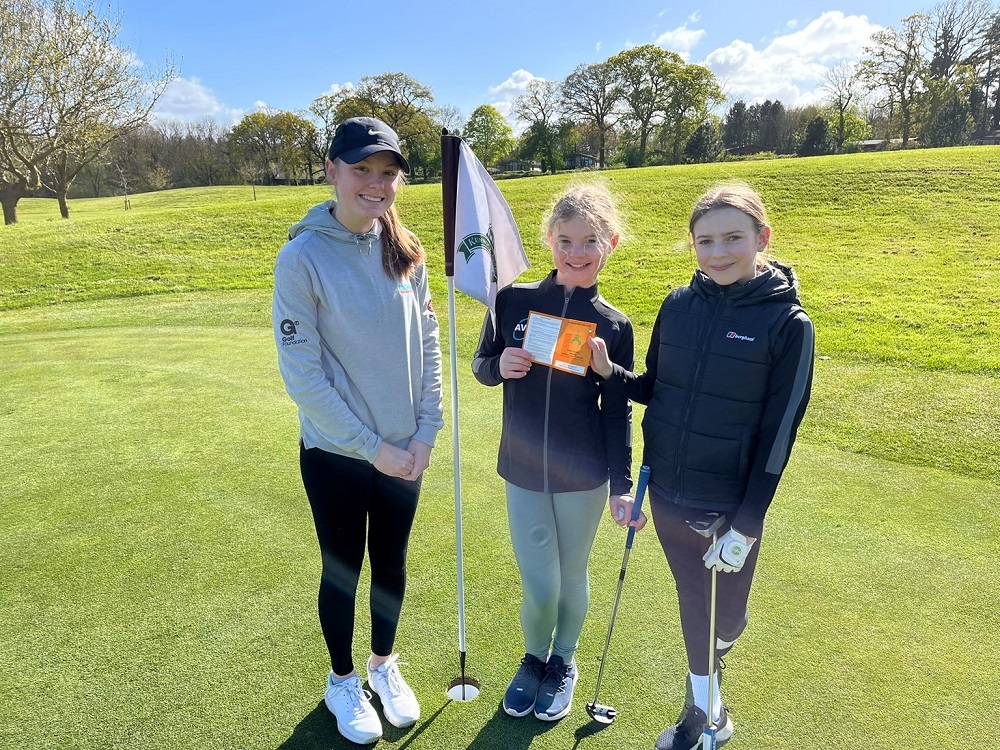
02 June 2025
As we celebrate Volunteers Week, we're showcasing two amazing young volunteers whose passion and dedication was recognised at last year's Lincolnshire Sport & Physical Activity Awards.
More