Our Impact
Read our Impact Report 25- 26 to find out more about our work
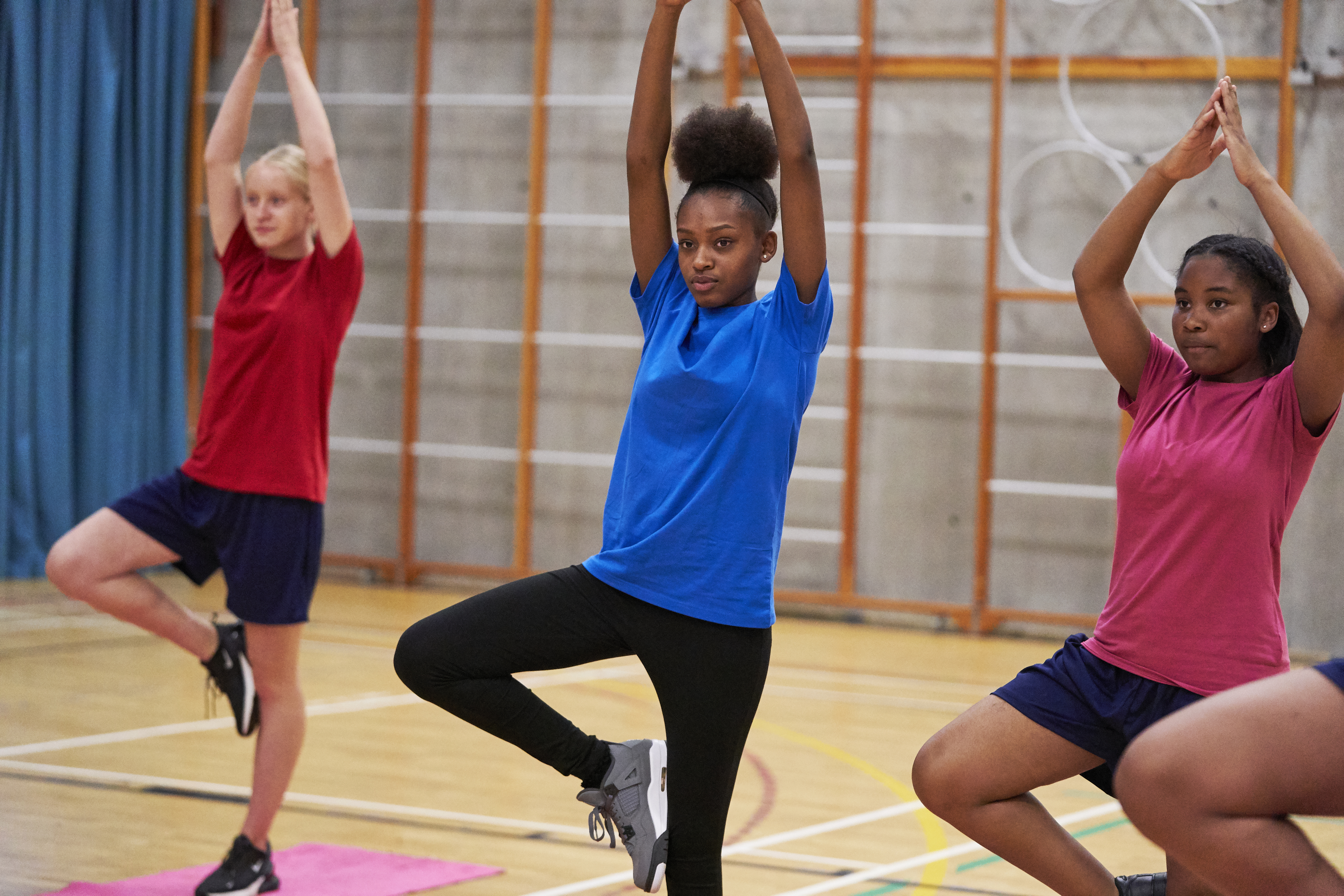
Across communities in Boston, East Lindsey and South Holland, a consistent message has come through from our Community Partnership Learning: people want to be active. The challenge though isn’t about a lack of motivation, aspiration or understanding of the benefits of physical activity. Instead, it’s about whether being active is realistic, accessible and sustainable within the context of people’s everyday lives. For some communities, particularly those from different cultural backgrounds, this context is shaped by language, cultural norms, faith practices and past experiences of exclusion.
This matters, because how we define the problem shapes the solutions we design. If inactivity is seen as an individual choice, we default to encouraging people to “try harder”. When it’s understood as a system issue, our focus shifts to access, environment, confidence and connection. It also requires us to recognise that systems are not culturally neutral, and that some groups face additional barriers because provision hasn’t been designed with their needs or identities in mind.
What we’re hearing across Places
Through our community engagement, partner conversations and local observation, people consistently told us that barriers to activity sit outside their control. This includes structural barriers experienced by ethnically diverse communities, such as feeling unwelcome in spaces, lack of culturally relevant provision or limited representation among staff and volunteers.
In Boston, children and families described parks and green spaces that exist on paper, but don’t feel safe or welcoming in practice. Antisocial behaviour, broken equipment and poor lighting shape how places are perceived, leading to avoidance and underuse. For some families from minoritised communities, concerns about safety are compounded by experiences of discrimination or a lack of culturally familiar social networks in these spaces. Over time, this creates a cycle where spaces feel abandoned and activity declines further.
In East Lindsey, geography and transport dominate the conversation. Residents are often interested in taking part, but long travel distances, misaligned bus timetables and reliance on lifts make regular participation difficult. This is particularly pronounced for older adults and people living with long-term health conditions, who also spoke about confidence and fear of injury when activity doesn’t feel suitably supported. For people from different cultural backgrounds, unfamiliar settings or activities that don’t reflect cultural preferences can further reduce confidence and engagement.
In South Holland, again, limited transport combines with rural isolation, cultural disconnection and infrastructure challenges. Many residents explained that opportunities are clustered in Spalding or outside the district altogether, making access unrealistic for non-drivers. Others described feeling disconnected from provision because of language barriers, lack of trusted spaces or limited awareness of what’s available locally. This was particularly evident among migrant and ethnically diverse communities, where culturally appropriate spaces, women-only sessions, faith‑aware provision or translated information were often missing.
Across all three places, the pattern is similar: availability does not equal access. And access looks different depending on cultural background, identity and lived experience.
Why access matters more than motivation
Our learning reinforces that participation is shaped by a combination of factors:
“Appropriate” here includes cultural relevance – whether people can see themselves reflected in the activity, feel respected, and trust that their values and needs are understood.
When these elements are missing, even strong initial engagement drops off. We see this in different ways across Places: children and young people disengaging outside the school day in Boston, participants falling away after short health programmes in East Lindsey, and reliance on informal, highly local activity in South Holland. For some culturally diverse groups, informal activity within trusted community or faith settings often feels safer and more sustainable than mainstream provision.
This isn’t about failure, it’s about design. Systems that rely on people travelling, paying, navigating complex information or stepping into unfamiliar environments will always exclude some communities. This exclusion is magnified when language, culture or social norms are not considered in how activity is presented and delivered.
Assets that already exist
One of the most important insights from our Community Partnership Learning is that the challenge is not a lack of assets. Across all places, we see:
However, these assets are frequently disconnected. Responsibility, across different parts of the system, is often fragmented, pathways between opportunities are unclear, and access issues are left unresolved. Opportunities to build culturally sensitive pathways between trusted community spaces and wider provision are also often missed. The result is a system that works well in parts, but not as a whole.
What this means for how we work
As a system, we’re learning to shift the question from “what activity can we add?” to “what makes activity possible?”
That shift is already influencing practice:
It also means working with communities to co‑design activity that reflects cultural identities, removing assumptions about what participation “should” look like, and supporting organisations to build cultural competence.
This is slower, relational work. It relies on collaboration, trust, community co-production and local insight – but it’s also where we see the greatest potential for change.
Moving forward together
Our Community Partnership Learning reinforces that tackling inequality in physical activity requires us to work differently, not just do more. By understanding access as a system issue, we create space for smarter, more inclusive and more sustainable approaches.
Our role is to support this learning, share insight across places and help partners connect the dots. Progress won’t come from any single organisation or programme – it will come from aligning our efforts around what communities are telling us they need.



08 May 2026
This case study explores how Active Lincolnshire strengthened Board governance by placing equality, diversity and inclusion at the heart of decision‑making, supporting more inclusive leadership and tackling participation inequalities.
More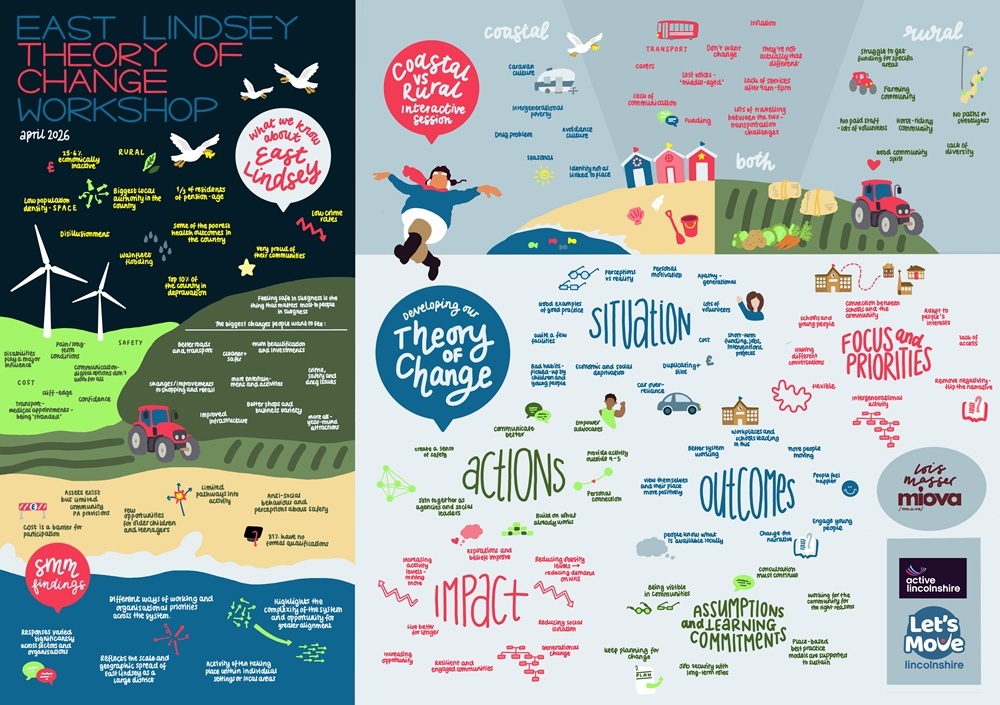
29 April 2026
In April, we held our first Theory of Change workshop in East Lindsey, exploring how we can enable more people to be more active, more often. Together we agreed the long-term outcomes we want and what needs to be in place to make change last. Read the full article to see what we’re learning and how community insight is guiding the approach to our Sports England Place Partnership development phase.
More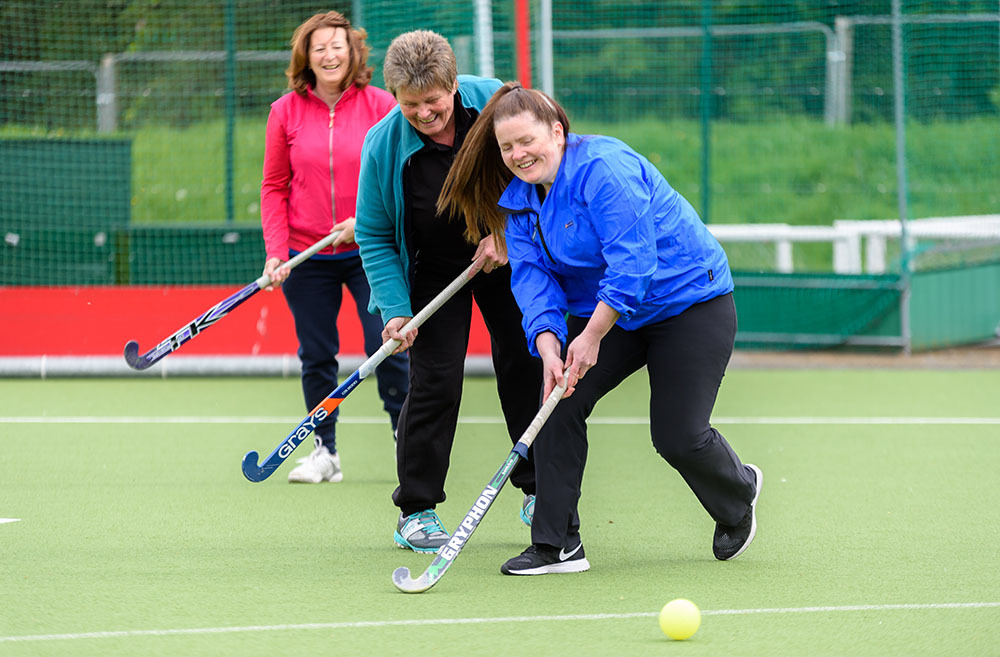
23 April 2026
The latest Active Lives report from Sport England reveals more than 30 million adults in England are now meeting the recommended levels of physical activity, including millions taking part in sport, as participation continues to steadily rise.
More