Our Impact
Read our Impact Report 25- 26 to find out more about our work
There are conferences where you leave with pages of notes. Then there are conferences that fundamentally change how you think. The IWG Global Summit in Birmingham was firmly the latter.
Across two days, world leaders from sport, government, business and academia gathered under the theme Beyond the Breakthrough. At first glance it sounded like another conversation about growing women's sport – it wasn't.
Instead, the summit challenged one of the biggest assumptions our sector still makes: that the barriers facing women and girls exist within individuals rather than within the systems we've designed around them.
That message couldn’t be more relevant to the work we're doing at Active Lincolnshire. As Director of Communications, I spend much of my time talking about Place, systems change and tackling inequality through physical activity. Listening to leaders such as Lord Sebastian Coe, Professor Laura McAllister, Dave Clarke OBE and Sarah Powell, it became increasingly clear that the conversation taking place on the global stage mirrors exactly the challenges we face in communities across Lincolnshire.
The biggest lesson from the summit was simple – stop asking why women and girls don't participate and start asking what we've built that makes participation difficult.
For years, sport has tried to solve inequality by changing people – better campaigns, more role models, more sessions, more programmes. Those things are important but they don't remove structural barriers.
Day One focused heavily on leadership, investment and visibility. Dave Clarke, CEO Paralympics and Sarah Powell, CEO British Gymnastics challenged organisations to rethink leadership itself, arguing that success depends on leaders who can navigate complexity, drive cultural change and unlock talent through inclusion. Michele Kang, CEO Kynisca Sports International and Amanda Staveley, CEO PCP Capital Partners demonstrated that women's sport is no longer viewed as a charitable cause but as one of the biggest commercial growth opportunities in global sport. Yet perhaps the most important message wasn't about investment at all. It was that breakthrough moments alone are not enough. Lasting change requires systems that embed success rather than celebrate isolated achievements.
That phrase resonated with me because at Active Lincolnshire we often say that our role isn't simply to get more people active. It's to help create the conditions that make being active easier.
That means working across councils, health, education, community organisations, transport, leisure providers and voluntary groups to remove barriers before someone even considers taking part.
Place-based working recognises something the summit repeatedly reinforced: where you live often determines your opportunity to be active.
Whether that's access to facilities, safe walking routes, affordable activities, inclusive clubs or welcoming environments, participation isn't created by a single organisation. It's created by an entire local system.
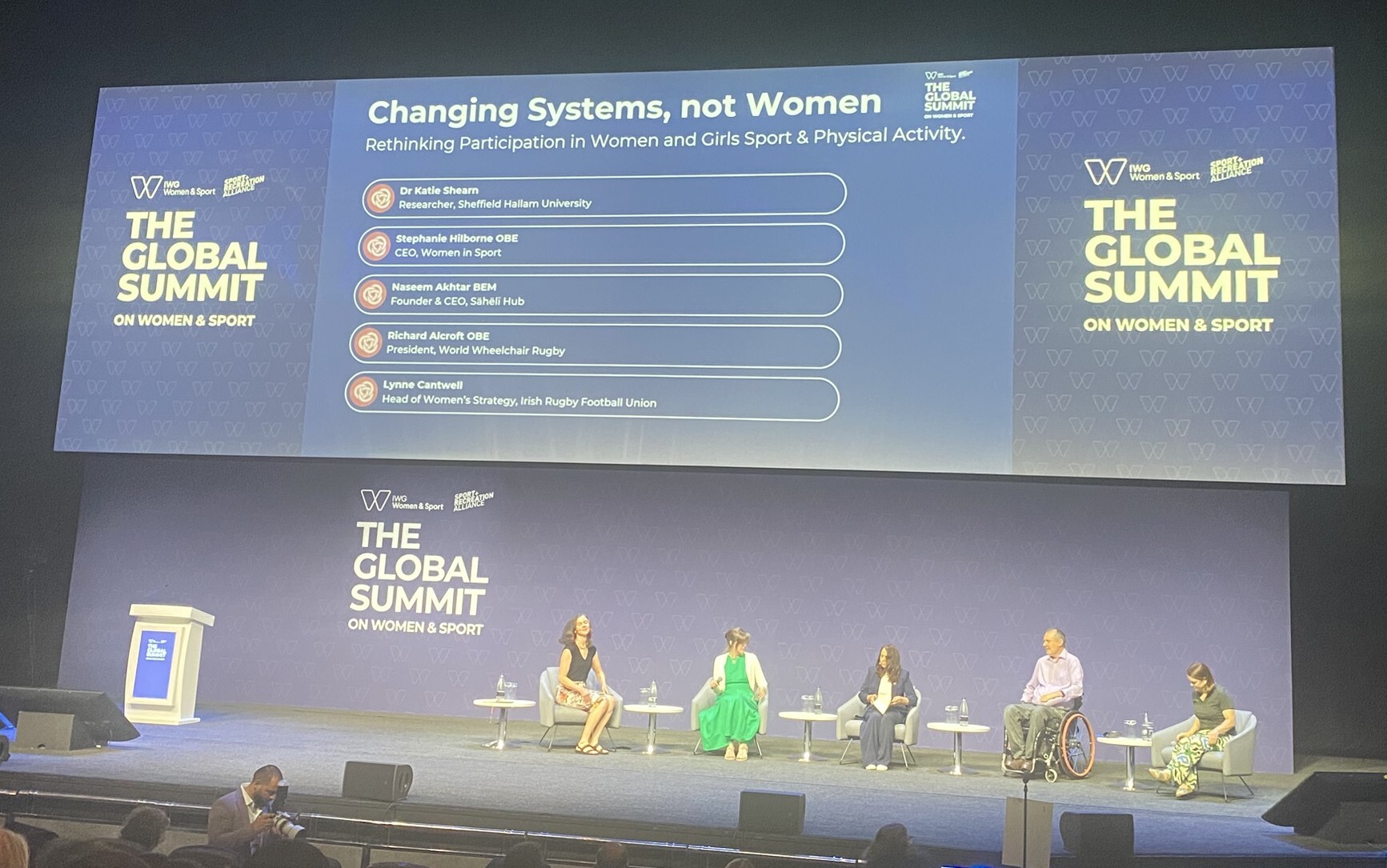
Day Two took that thinking even further. One session in particular perfectly captured the conference's direction: Changing systems, not women.
It challenged decades of thinking by arguing that women and girls do not need fixing. Instead, organisations must redesign their programmes, facilities, communications and cultures around the lived experiences of women and girls, rather than expecting women and girls to adapt to systems that were never designed with them in mind.
That’s systems change in its purest form. It's also why Active Lincolnshire increasingly works through collaboration rather than isolated projects. No single organisation can solve inactivity, no single campaign can overcome inequality, and no single funding programme will transform participation on its own.
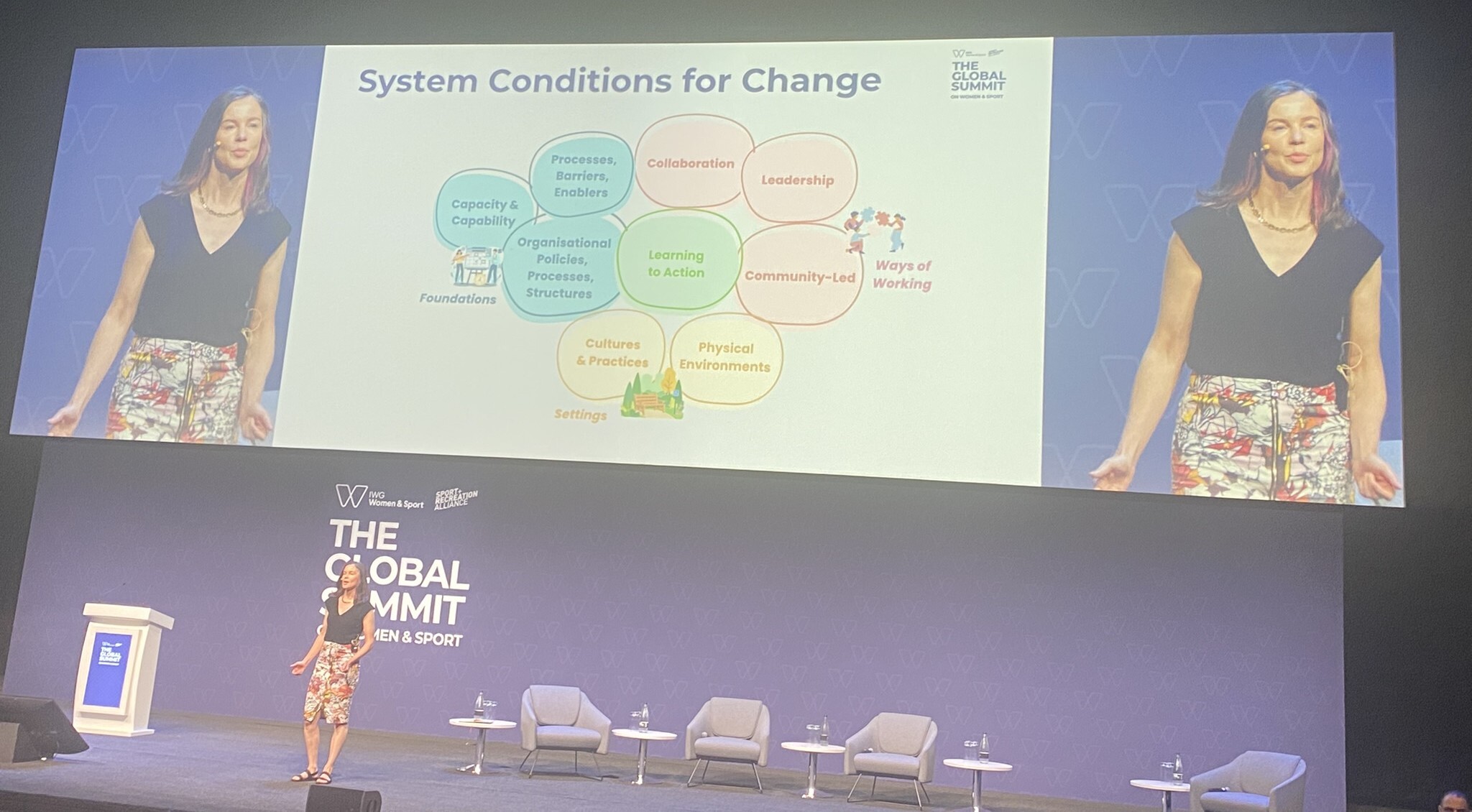
The summit reinforced that lasting progress comes from collective leadership, shared accountability and long-term partnerships.
The sessions on This Girl Can were another reminder that genuine behaviour change takes years, not months. Success came not because Sport England simply promoted activity, but because it listened to women's experiences, challenged fear of judgement and designed communications around real lives rather than assumptions.
That lesson applies far beyond communications. Whether we're designing physical spaces, community programmes or local partnerships, listening has to come before solutions.
Another recurring theme was visibility. Speakers argued that responsibility doesn't sit solely with broadcasters. Governing bodies, sponsors, athletes, brands, communities and communicators all shape how women and girls experience sport. Visibility isn't simply about television coverage; it's about telling stories consistently enough that participation feels normal, expected and achievable.
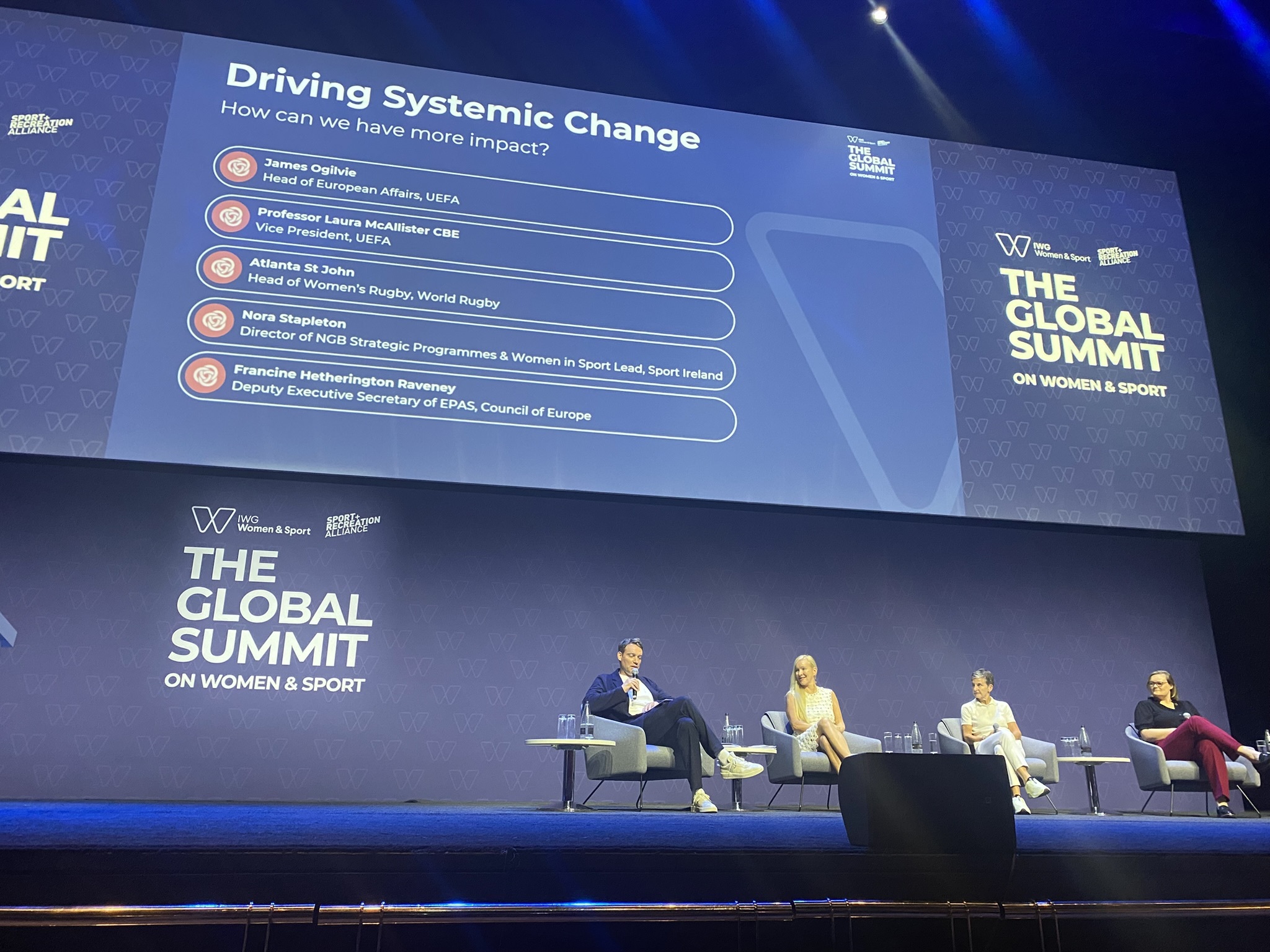
As communicators, that's a challenge we should embrace because stories don't just celebrate success, they shape culture.
Looking back across both days, I left Birmingham convinced that the future of women's sport won't be defined by the next record crowd, viral campaign or major sponsorship deal. It will be defined by whether we have the courage to redesign the systems that still exclude too many people.
For Active Lincolnshire, that's exactly where our focus sits. Working with partners across health, local government, education, communities and sport to create places where being active is easier, fairer and more inclusive.
Because if there's one message I'll take away from the IWG Global Summit, it's this: the future isn't about helping women and girls fit into the system – it’s about building systems that finally fit women and girls.
And if we get that right, we won't just change sport, we'll change lives.


08 July 2026
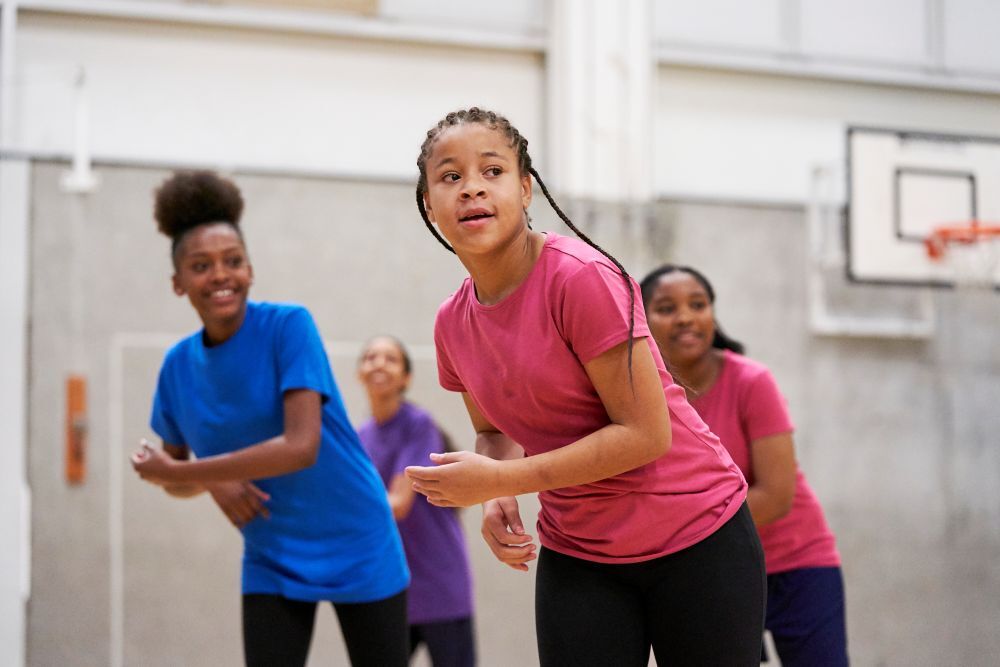
An exploration of how place, systems and inclusion shape children’s physical activity, and why removing barriers – not motivation – is key to creating active communities.
More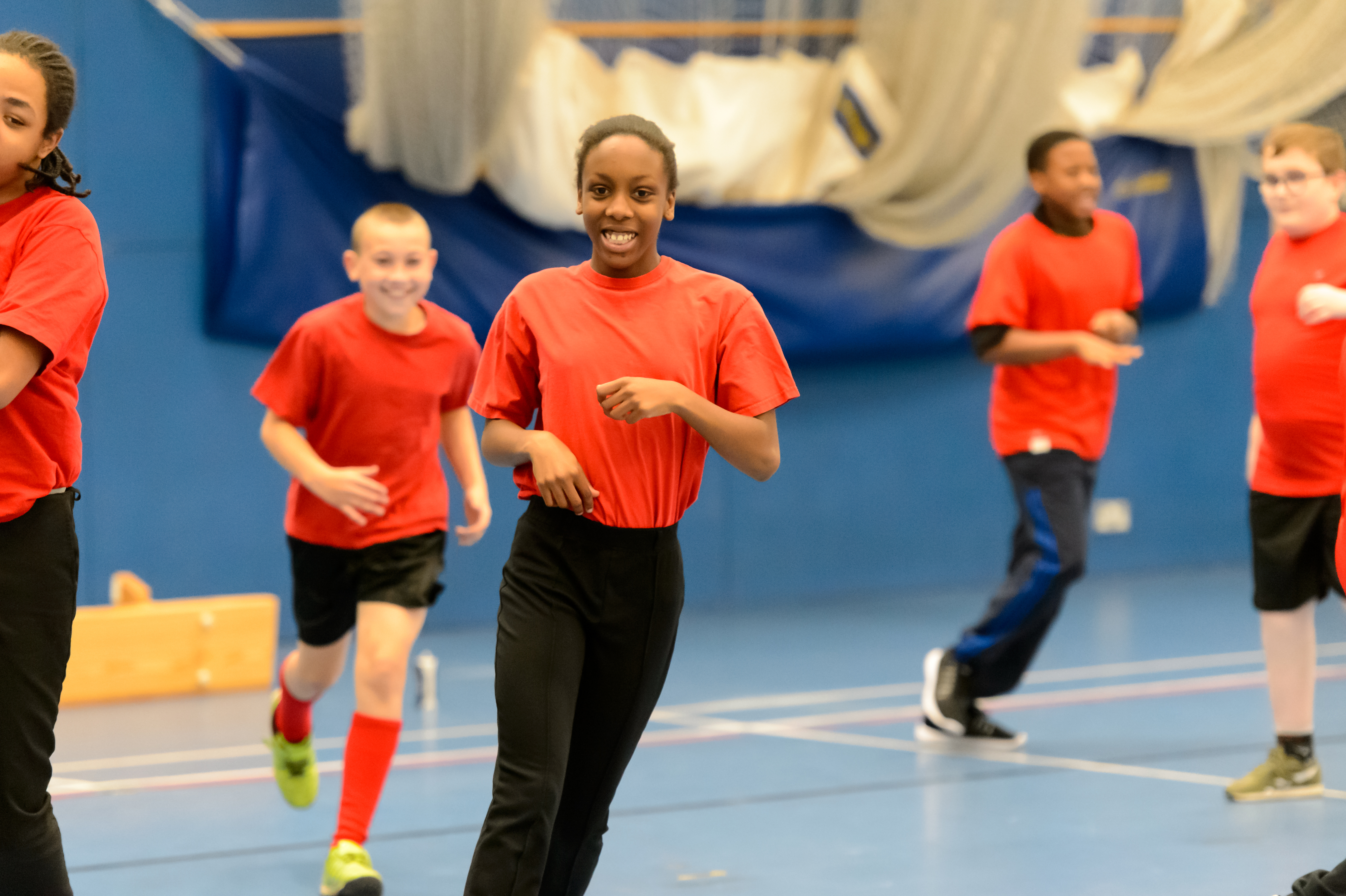
19 June 2026
At Active Lincolnshire, we’re exploring how children face different barriers in towns and villages, and how working with partners helps us create locally tailored solutions that better support everyday activity.
More
02 June 2026
In this article, we explore how national policy and local insight align, highlighting opportunities to remove barriers and create more inclusive, active communities across Lincolnshire
More