Our Impact
Read our Impact Report 25- 26 to find out more about our work
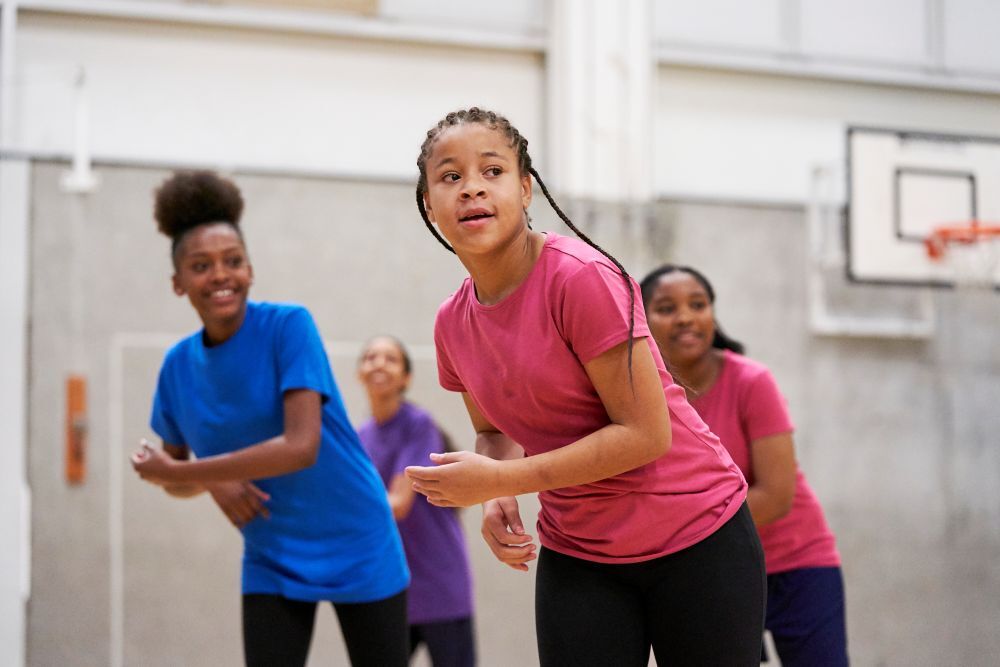
At Active Lincolnshire, we often hear a familiar narrative: if we want more children and young people to be active, we need to motivate them. But what if motivation isn't the problem?
Recent insights from our Active Schools Test and Learn Report in Boston and Women in Sport’s Fit to Learn research suggest something different. While the studies looked at different settings and challenges, they reached a remarkably similar conclusion: most children and young people already understand the value of being active and want to take part. The barriers they face are often practical, environmental and systemic, rather than a lack of desire.
This matters because it shifts the conversation – it challenges us to move beyond encouraging activity and focus more on identifying and removing the barriers that stand in the way.
Our Active Schools Test and Learn project explored the experiences of children, parents and schools across Boston. We found that schools are often the most consistent and trusted environments for physical activity, providing opportunities through PE, breaktimes, clubs and competitions. Yet outside the school gates, participation was frequently influenced by factors such as cost, transport, safety, access to facilities and the availability of local opportunities.
Children told us they wanted to be active. They spoke positively about being outdoors, playing with friends, cycling, running and taking part in sport. However, many described barriers that limited their opportunities, from unsafe public spaces and poor transport links to the cost of activities and reliance on parents for lifts.
At the same time, the Fit to Learn report highlighted a different set of barriers within the school environment itself. For many girls, participation in physical activity was affected by concerns around changing rooms, body confidence, periods, anxiety and the practicalities of school uniform. When schools allowed pupils to wear PE kit throughout the day, many girls reported feeling more active, more confident and less anxious, while teachers observed higher participation and improved engagement.
Together, these findings reinforce an important principle of systems thinking: participation is shaped by the environment around us. Whether the barrier is an inaccessible park, a lack of transport, a changing room experience or concerns about belonging, each obstacle creates friction that makes activity less likely.
Both reports also highlight the importance of inclusion.
Our research found strong commitment from schools to supporting children who face the greatest inequalities, including girls, children from disadvantaged backgrounds and young people with SEND. However, it also identified opportunities to strengthen inclusive approaches and ensure activity opportunities reach those who may not be engaged by traditional sport and competition.
The Fit to Learn findings provide valuable insight into why these inclusive approaches matter. The policy appeared particularly beneficial for girls, pupils with SEND and young people from lower-income backgrounds. By removing some of the practical and emotional barriers associated with PE, schools created an environment where more pupils felt able to participate.
This is a powerful reminder that inclusion isn’t simply about offering opportunities. It’s about designing environments, systems and experiences that work for everyone.
When we understand the lived experiences of different groups, we can make better decisions about how activities are designed, where they take place, what support is available and what barriers need to be addressed.
Neither report suggests that a single intervention is the answer Instead, both point towards the importance of partnership working and a whole-system approach.
In Boston, we found strong schools delivering excellent activity opportunities, but weaker connections between schools, community provision and local assets. We identified opportunities to strengthen pathways between schools, community organisations, local authorities and wider partners to create a more connected system of support for children and families.
That’s why Active Lincolnshire continues to work alongside schools, local authorities, community organisations, health partners, leisure providers and national governing bodies to better understand barriers and develop solutions together.
Whether that means improving access to community activity, creating safer and more welcoming spaces, strengthening active travel opportunities, supporting inclusive provision or amplifying the voices of young people themselves, our role is to bring partners together around shared challenges and shared opportunities.
The Fit to Learn research provides a valuable example of how relatively simple changes can have a meaningful impact when barriers are properly understood. Equally, our local work highlights that lasting change requires coordinated action across education, health, transport, planning, community development and physical activity sectors.
The most encouraging message from both pieces of research is that children and young people are not lacking motivation.
They already recognise the benefits of being active. They value the friendships, enjoyment, confidence and wellbeing that movement brings.
Our challenge is to ensure that systems, places and environments make participation easier rather than harder.
By listening to young people, working collaboratively across sectors and focusing on inclusion from the outset, we can continue to identify and remove the barriers that prevent people from moving more.
Because creating a more active Lincolnshire isn’t just about delivering more opportunities – it’s about creating the conditions that allow every child and young person to take them.