Finalists Announced
Take a look at the finalists for the Lincolnshire Sport & Physical Activity Awards 2026
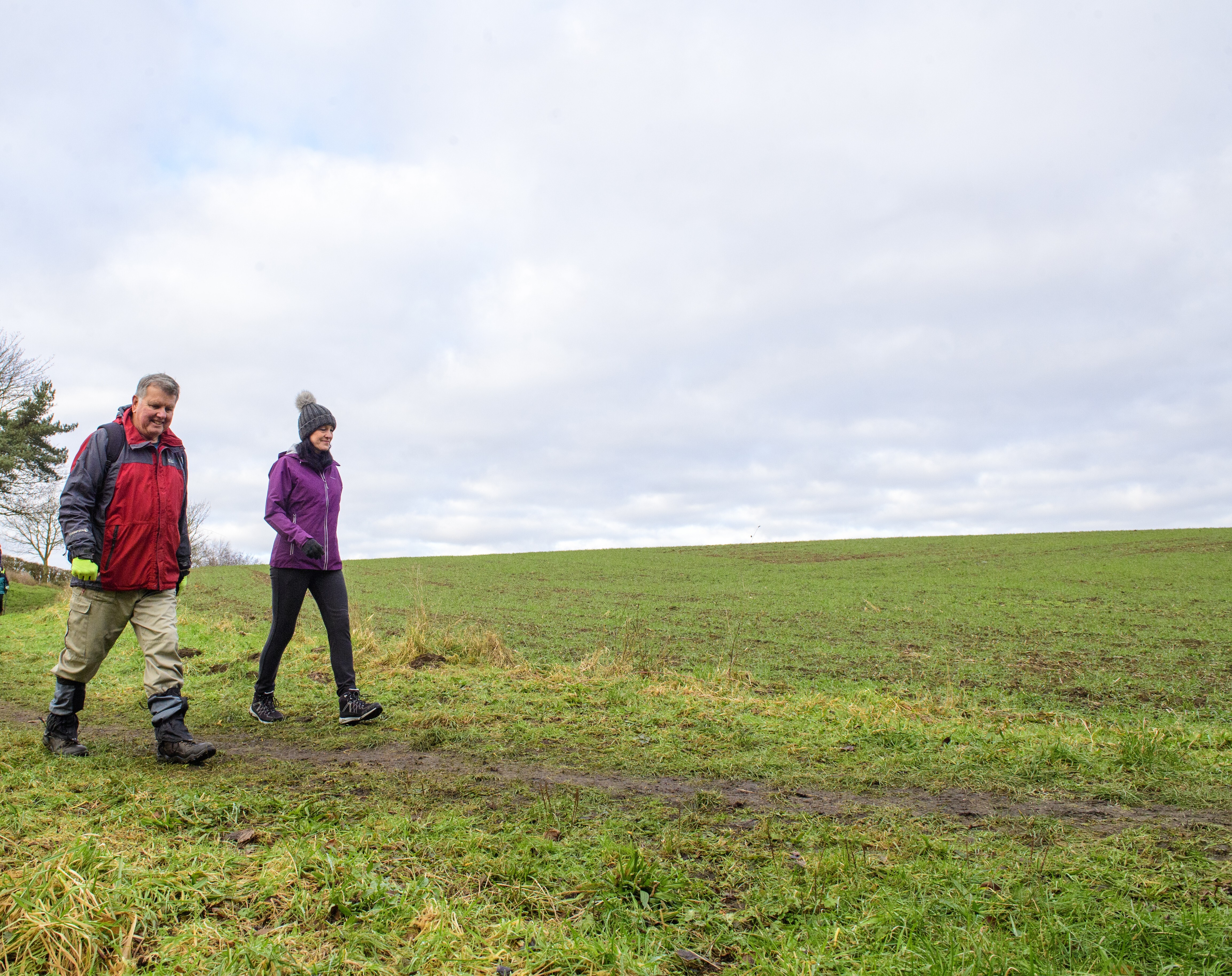
Living in a rural community can offer many of the things we associate with a healthy life: open space, access to nature, a sense of community and somewhere that feels peaceful and connected to the landscape. But having the motivation to be active and having the opportunity to be active are not always the same thing.
That’s one of the strongest messages from new research commissioned by Active Lincolnshire and undertaken independently by Healthwatch Lincolnshire, exploring how rurality affects people's lives in South Holland, with a particular focus on Sutton Bridge, Long Sutton and Holbeach.
More than 550 people shared their experiences through a survey and community conversations, giving us valuable insight into what it means to live, move and stay connected in a rural community, and there is much that people value.
Some 72% of respondents agreed that living in a rural area positively affects their health and wellbeing. Residents talked about peace and quiet, open green spaces, wildlife and being close to nature.
There’s also a clear desire to be active. The leading motivations were improving fitness, physical health and mental health, alongside spending time outdoors in nature.
So perhaps the question isn't simply how do we persuade more people to be active? Perhaps we should also ask: how do we collectively create the conditions that make being active easier?
This is at the heart of our approach to Place at Active Lincolnshire.
Physical activity doesn't happen in isolation. It happens in communities and neighbourhoods, on pavements and footpaths, in parks and open spaces, leisure centres and community buildings, and people's ability to be active is influenced by much more than whether a sports session is available.
The Healthwatch Lincolnshire research identified a combination of factors that can make activity harder, including health conditions, cost, distance from activities, the condition of paths and pavements, safe walking and cycling routes and access to facilities.
Importantly, these barriers often overlap. A suitable activity might exist but attending it may involve travelling some distance. That creates additional time and cost. For someone who doesn't drive, transport can become another consideration.
Similarly, walking might be free and available from the front door, but the quality, connectivity or perceived safety of local routes can determine whether it feels like a realistic option. The research found that 58% of respondents disagreed that rural living made it easy to travel by foot or bike, while 72% disagreed that it made getting around by public transport easy.
None of these challenges sits neatly within the responsibility of one organisation and that’s precisely why partnership working matters.
Our role at Active Lincolnshire is not to suggest that one organisation can solve every barrier to physical activity. Instead, our Place approach is about understanding communities, listening to people's experiences and bringing together the organisations and people that can collectively influence the conditions in which people live.
That includes local authorities, health partners, transport and active travel colleagues, leisure providers, voluntary and community organisations, activity providers and, critically, residents themselves.
The research gives us another valuable source of insight to bring into those conversations.
Residents told Healthwatch Lincolnshire what could help: better awareness of existing opportunities, more activities closer to home, affordable options, different types of activities, improved walking and cycling infrastructure and transport that helps people reach services and opportunities.
These findings shouldn't simply become a list of problems to solve.
They can help provide a resident-informed blueprint for creating more active rural communities.
There’s already considerable work happening across Lincolnshire to create healthier, better-connected places. This research can strengthen that work by adding the voices and lived experiences of residents to the evidence available to partners.
It can help us ask better questions. Where could activity be brought closer to communities? How can existing opportunities be made more visible? How might walking and cycling become easier everyday choices? How can different services and investments contribute to the same outcomes? And how do we make sure residents continue to shape the answers?
This is what Place means to us. It isn't a new programme or a single organisation arriving with all the solutions. It means understanding a place and its people, recognising its strengths as well as its challenges, and working collectively to create the conditions for change.
The real value of the Healthwatch Lincolnshire research is therefore not simply that it identifies barriers – it helps us understand how those barriers connect.
No single partner controls all the conditions that enable people to live active lives, but by combining community insight with the expertise, influence and resources of partners across Lincolnshire, we can begin to change many of them.
And that’ s where research becomes useful: not when it tells us what is wrong with a place, but when it helps communities and partners understand what we can change together.
This research gives us a valuable insight into what life is like for people living in rural communities, what helps them to be active and the barriers that can sometimes make it harder.
Most importantly, it gives us an opportunity to act on what residents have told us. We’ll use these findings alongside our partners and communities to help shape our Place work and create the conditions that make being active easier for everyone.
Read the full Rurality Research Report and explore the findings and recommendations



23 September 2026
This article explores how healthier communities are built beyond healthcare alone, highlighting the role of physical activity, place-based partnerships and tackling inequalities to create healthier, more connected communities across Lincolnshire.
More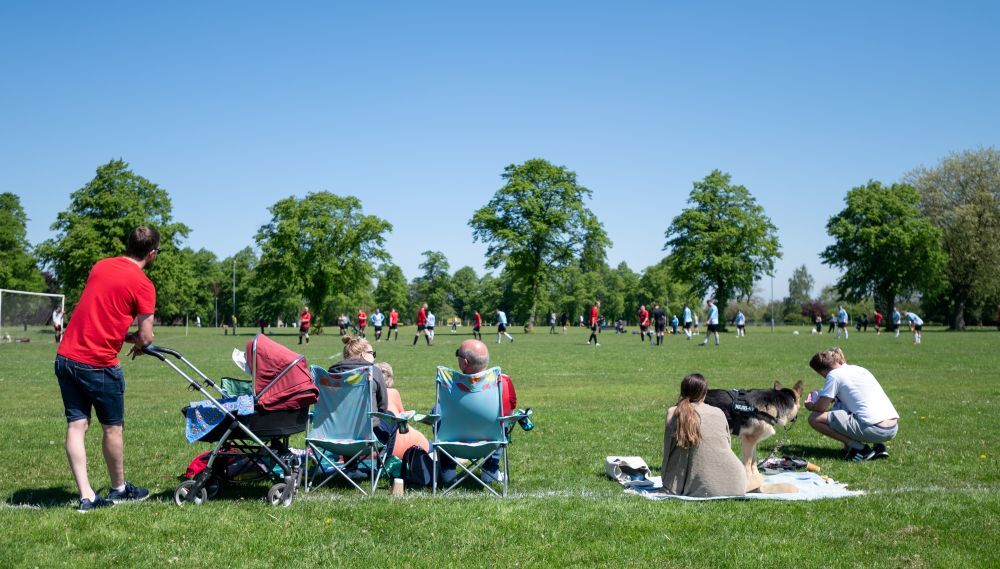
16 August 2026
Physical activity is more than participation. Our latest article explores how removing barriers through place-based, system-led approaches can connect movement with prevention, healthier communities and improved population health outcomes.
More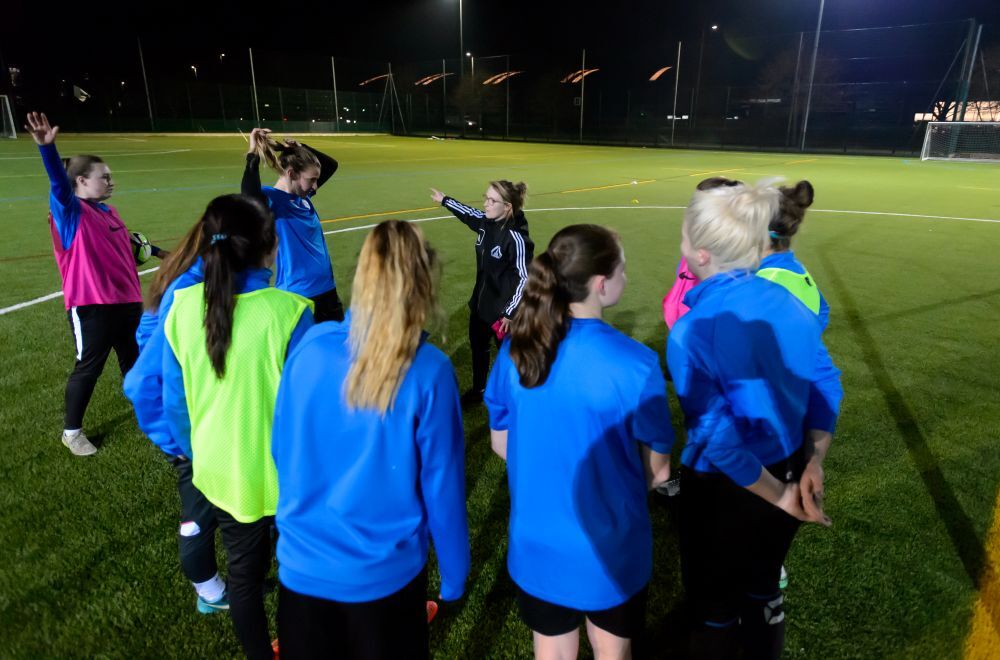
30 July 2026
In this thought leadership article, we explore why tackling inactivity requires more than funding. We share how data, insight and partnerships help us understand barriers, connect organisations and create lasting, place-based change.
More