Our Impact
Read our Impact Report 25- 26 to find out more about our work

When we talk about improving health, the conversation often starts with healthcare.
GP appointments, hospitals, waiting lists, treatment. All of these matter enormously, but if we want to create healthier communities across Lincolnshire, we also need to look much further upstream.
Because health is being shaped every day, long before somebody needs an appointment. It’s shaped by whether people feel safe walking in their neighbourhood, whether children have positive experiences of physical activity, whether someone can afford to use their local leisure centre, whether there is a welcoming sports club nearby, whether transport makes opportunities accessible or whether people feel connected to their community.
At Active Lincolnshire, this is why we believe physical activity needs to be seen as part of a much bigger system for improving health and wellbeing – and it is why working in Place matters.
The latest Sport England Active Lives Adult Survey shows that 64.6% of adults in England – around 30.9 million people – achieve an average of at least 150 minutes of moderate intensity physical activity each week.
That's encouraging, but the national headline masks significant inequalities.
Only 53.8% of adults from the least affluent groups are active, compared with 73.2% among the most affluent.
Among people with disabilities and people with long-term health conditions, just 49.1% are active. For adults aged 75 and over, the figure is 44.3%. Activity levels are also lower among Black adults (57.2%) and Asian adults (56.3%).
This is why simply increasing overall participation isn't enough. We need to understand who isn't benefiting, where they live and what is getting in their way.
Traditionally, the sport and physical activity sector has often started with a simple question: How do we get more people active?
Working in Place encourages us to ask something deeper: What is happening in this community that makes being active easier for some people and harder for others – and what could we change together?
Sport England's approach to Place recognises exactly this. Its investment is increasingly focused on communities experiencing some of the greatest levels of inactivity, deprivation, social need and health inequality.
Its Place Need Assessments combine physical activity information with demographic, social and health data to understand where inequalities exist and where intervention could have the greatest impact.
Significantly for Lincolnshire, East Lindsey is one of Sport England's example Place Need Assessments, demonstrating the importance of understanding the specific circumstances of individual communities rather than assuming the same solution will work everywhere.
That thinking sits at the heart of our approach.
Our initial Place work is focused particularly on Boston, East Lindsey and South Holland. But Place isn't simply about drawing a boundary around three districts.
It's about working differently.
It means spending time understanding communities, listening to residents and working alongside the organisations that already know those places.
The barriers facing someone in Boston may be very different from those experienced by somebody living in a rural community in East Lindsey or South Holland.
Transport might be the barrier. It might be cost. It could be confidence, safety, accessibility, childcare, culture, the availability of facilities or simply not knowing what opportunities exist. And often there isn't one barrier. There are several interacting with each other.
That is why the answer cannot simply be another programme or campaign asking people to become more active.
We have to understand the conditions around people's lives.
Imagine a river where people keep appearing downstream needing to be rescued. We could become increasingly efficient at pulling people from the water or somebody could walk upstream and ask why they are falling in.
Healthcare inevitably has to operate downstream. It diagnoses, treats and manages illness. Physical activity has an enormous opportunity to operate further upstream.
It could be a walking group helping somebody feel less isolated, a community sports club giving a young person somewhere they belong, a school helping a child discover that movement can be enjoyable, a park where families feel safe and welcome, an accessible leisure centre, a community organisation creating activities around the needs of local residents, or simply a neighbourhood where walking and cycling become realistic choices.
None of these things alone will solve health inequality. Together, however, they help create the conditions in which healthier lives become possible.
Our deeper Place work gives us an opportunity to learn. What works? What doesn't? Which barriers keep appearing? Which relationships make change possible? What happens when communities are involved in designing solutions rather than simply being asked to participate in them?
That learning can help inform our work across the whole of Lincolnshire because inequality doesn't stop at district boundaries.
There are communities across our county where people experience barriers to being active, from our towns and coastal communities to villages and rural areas.
Our role is to understand those inequalities and work with others to help change the systems creating them.
Sport England describes Active Partnerships as organisations that take a place-based approach to reducing inequalities, bringing together local and national partners to help create wider social change. For Active Lincolnshire, that means being a connector, convenor and catalyst.
We can't do this alone, and we shouldn't. Creating healthier communities isn't the responsibility of one organisation, one sector or one profession. It requires local authorities, the NHS, schools, community organisations, leisure providers, sports clubs, National Governing Bodies, voluntary organisations, businesses and – critically – communities themselves.
Our job at Active Lincolnshire isn't simply to deliver more physical activity. It's to help bring those partners together.
And to use sport and physical activity as part of something much bigger: creating healthier, stronger and more connected communities.
There is already extraordinary work happening across Lincolnshire. The opportunity now is to connect more of it. If you're working in health, local government, education, planning, transport, housing, community development, leisure, sport or the voluntary sector, we'd like to work with you.
Particularly in Boston, East Lindsey and South Holland, we want to hear from partners who understand their communities, see the barriers people face and have ideas about what could change.
Because the question shouldn't only be: How do we get people to become more active? It should be: How do we work together to create places where being active, healthy and connected becomes easier for everyone?
That's not something Active Lincolnshire can achieve alone, but together, across Lincolnshire, it's something we can change.


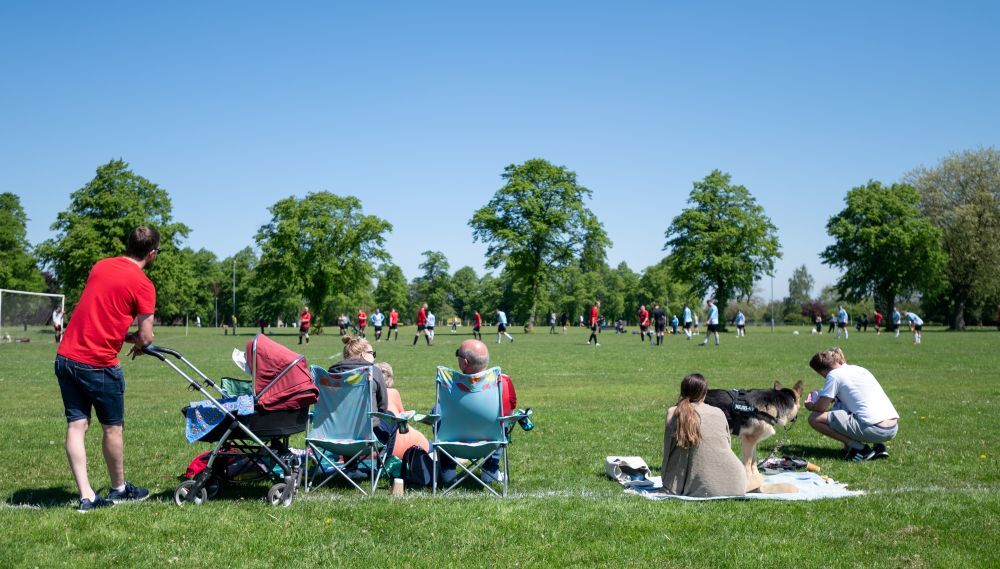
16 August 2026
Physical activity is more than participation. Our latest article explores how removing barriers through place-based, system-led approaches can connect movement with prevention, healthier communities and improved population health outcomes.
More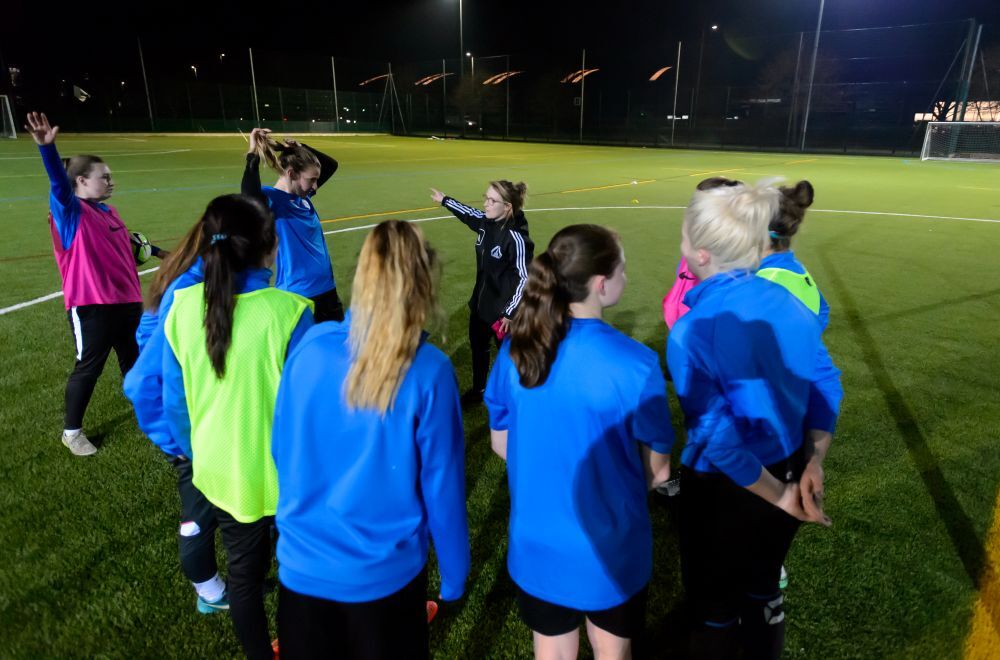
30 July 2026
In this thought leadership article, we explore why tackling inactivity requires more than funding. We share how data, insight and partnerships help us understand barriers, connect organisations and create lasting, place-based change.
More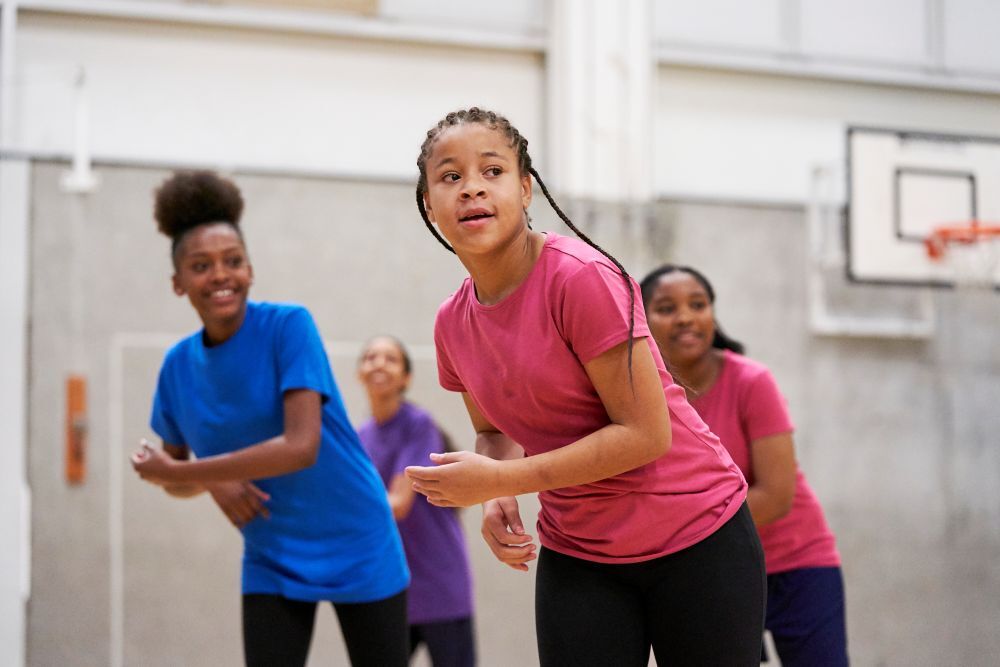
08 July 2026
An exploration of how place, systems and inclusion shape children’s physical activity, and why removing barriers – not motivation – is key to creating active communities.
More