Our Impact
Read our Impact Report 25- 26 to find out more about our work
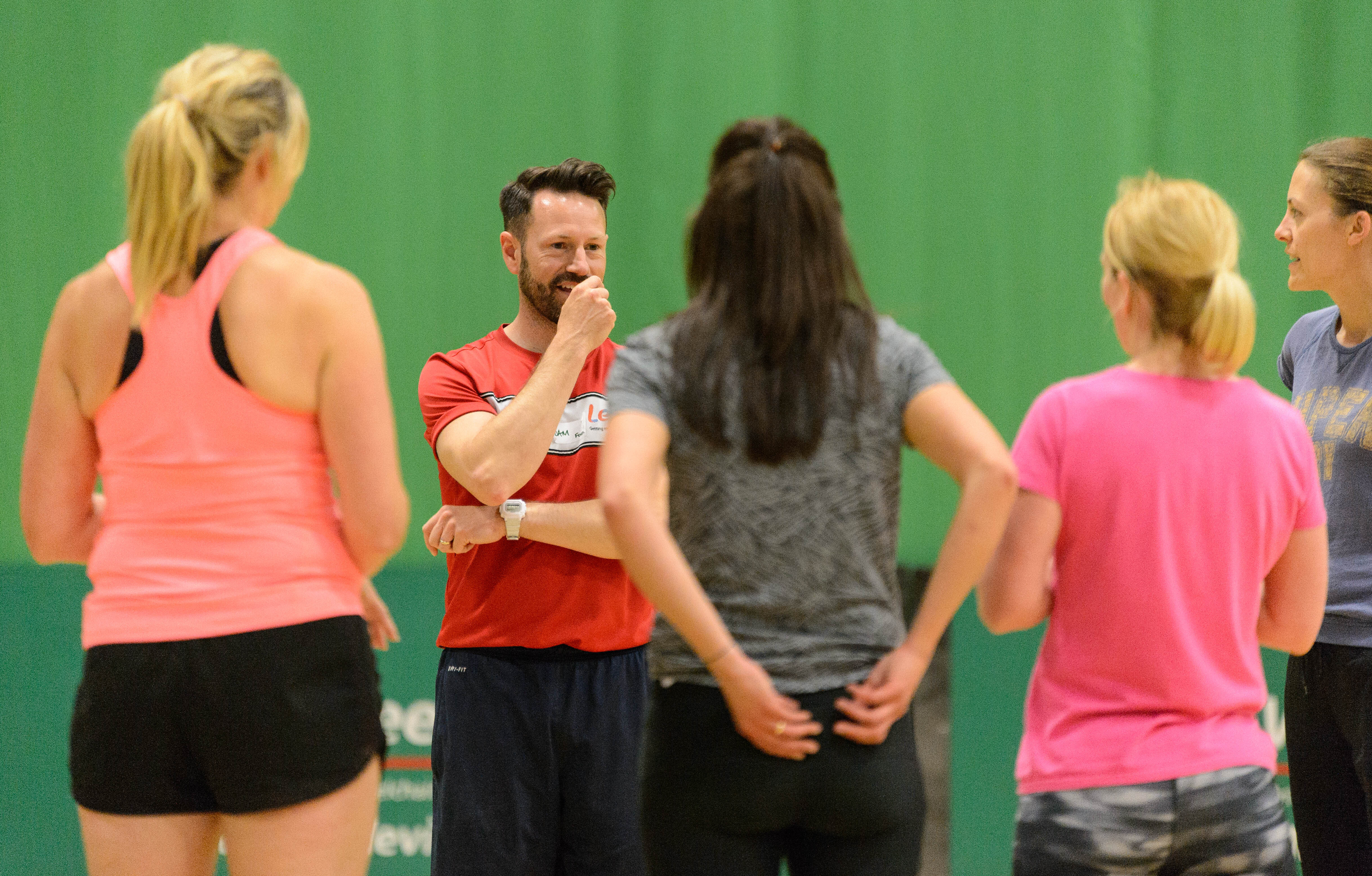
Across East Lindsey and beyond, our Community Partnership Learning shows strong engagement in short‑term physical activity programmes. Whether through health‑led interventions, community sessions or supported programmes, many people are taking that first step towards being more active. The challenge, however, comes afterwards.
Participants frequently described positive experiences during structured programmes. They valued the social connection, the tailored support and, critically, the reassurance that came from working with skilled, trusted instructors who understood their needs, health conditions and confidence levels.
During these programmes, people felt supported and safe. Sessions were adapted, paced appropriately and delivered by individuals with the skills to create inclusive, welcoming environments.
When programmes ended, many participants were unsure where to go next – not because they were unwilling, but because the level of support they had relied on was no longer visible or guaranteed. Without that continuity, uncertainty grew.
This was particularly evident for older adults and people living with long‑term health conditions. Once structured support fell away, familiar barriers resurfaced: cost, transport, confidence and fear of injury. For some, the prospect of moving into more independent or less supported settings felt like too big a leap.
Sustained activity relies on clear, achievable progression. Without visible next steps – and people with the right skills to support those steps – even the most successful programmes risk becoming isolated interventions.
Our Community Partnership Learning points to a system gap: strong entry points into activity, but limited exits that feel safe, inclusive and appropriate.
At the heart of this gap is the need for a skilled community‑based workforce. People coming out of health intervention programmes are often “ready for the next move”, but only if that next move is delivered by individuals who:
Pathways are not just about signposting – they’re about people, relationships and trust.
For many participants, readiness to join a gym, sports club or independent session isn’t immediate. Confidence needs to be built gradually, over time, in familiar environments and through consistent support from people they trust.
This insight is increasingly shaping how activity is being designed locally, with greater emphasis on:
Crucially, these approaches depend on having a workforce with the right skills, not just to deliver sessions, but to understand behaviour change, inclusion and progression. Community‑based instructors, volunteers and leaders play a vital role here. When they are supported, trained and connected into the wider system, they become the bridge between health interventions and long‑term activity.
Strengthening pathways from “first step” to “next step” is a system responsibility. Health services, leisure providers, VCSE organisations and community partners all hold part of the solution.
For some, that means commissioning or designing programmes with progression in mind. For others, it means investing in skills development, mentoring and support for the community‑based workforce so that provision is inclusive, accessible and relevant to people at different stages of readiness.
The opportunity lies in:
Our learning from communities and partners has reinforced that starting activity is only half the story. Staying active requires intentional design, collaboration and ongoing support, delivered by people with the skills to meet individuals where they are.
By investing in a skilled community‑based workforce and strengthening pathways between health interventions and local activity, we can make the next step feel possible, not overwhelming. And in doing so, support more people to remain active as part of everyday life, not just during a programme.


18 May 2026
We explore how perceptions of safety influence physical activity, highlighting insights from Boston and the importance of welcoming, well-used community spaces to support everyday movement, connection and healthier, active communities.
More
23 April 2026
The latest Active Lives report from Sport England reveals more than 30 million adults in England are now meeting the recommended levels of physical activity, including millions taking part in sport, as participation continues to steadily rise.
More
08 May 2026
This case study explores how Active Lincolnshire strengthened Board governance by placing equality, diversity and inclusion at the heart of decision‑making, supporting more inclusive leadership and tackling participation inequalities.
More