Our Impact
Read our Impact Report 25- 26 to find out more about our work

Overview
Over the past 12 months, Active Lincolnshire has taken a deliberate and focused approach to strengthening equality, diversity and inclusion (EDI) at Board level. The aim was clear: to move beyond intention and compliance, and ensure that inclusive thinking actively shapes how decisions are made, challenged and owned.
At the heart of this work is our purpose – to tackle the inequalities that exist in physical activity and sport participation across Lincolnshire. If we are serious about reducing those inequalities, it is essential that decisions made at Board level are shaped by a clear understanding of who is most affected, who is likely to benefit and where barriers persist.
Embedding equality, diversity and inclusion into Board decision-making ensures that our governance actively support this mission, enabling the organisation to lead with intention, accountability and a relentless focus on those communities most at risk of being left behind.
This case study shares our journey, outlining how EDI has been integrated into governance practice, the impact this has had on Trustees and leadership, and the learning we hope will be useful to other Boards and partnerships.
Setting the direction
Our commitment to equality, diversity and inclusion is grounded in our Diversity and Inclusion Action Plan (DIAP), which sets clear expectations for organisational leadership. In March 2025 , the Board agreed a further commitment: to develop an annual programme of equality training, engagement and awareness that would increase understanding, reduce bias and build inclusive leadership skills across both the Board and Senior Leadership Team.
Importantly, the Board agreed that success would not be measured by attendance at training, but by the extent to which learning could be evidenced in decision‑making. Our Trustees wanted to be confident they could articulate how an improved understanding of barriers facing different communities was actively influencing their choices and priorities, continuing to have an unrelenting focus on tackling inequalities.
This work builds on the long‑standing leadership of former Board Trustee and EDI Lead Sophie Ford, whose commitment and advocacy helped shape the thinking behind the approach. Sophie played a key role in championing EDI over several years and in supporting the Board to move from ambition to practical delivery.
From commitment to action
Following approval of the commitment, the Board explored how best to achieve meaningful learning without adding unnecessary burden. Rather than standalone training sessions, Trustees agreed to embed EDI directly into the spaces where decisions are made.
An experienced EDI consultant, Saumya Hebbar, was invited to attend Board meetings over the year. Her role was to work alongside the Board by:
Each meeting focused on specific protected characteristics or areas of inequality, such as disability, faith, culture and socio‑economic status. Trustees were supported with practical prompts to help guide questioning and reflection, ensuring EDI considerations were consistent and purposeful rather than reactive.
Alongside this, our EDI Manager – Ian Brown, brought data, lived experience and real‑world case studies into conversations, helping ground strategic discussions in the realities experienced by people and communities across Lincolnshire.
Building confidence through practice
Over time, Trustees reported feeling more confident and better equipped to consider all elements of EDI as part of their strategic role. Embedding reflection into live discussions created space for learning that felt relevant and immediate, rather than theoretical.
Michael Morris, Trustee, reflected on how this approach changed his perspective: “As a Trustee, this approach really changed how I think about my role in decision‑making. Having EDI embedded into our Board discussions helped me move beyond general intent to asking more purposeful questions about impact and inclusion. It created space for challenge and reflection, and ultimately strengthened the quality of our decisions.”
From Saumya’s perspective, the key benefit was moving inclusive thinking from concept to action: “What I valued most about this work was the Board’s willingness to be open, curious and challenged. This was not about ticking an EDI box. It was about creating the space for Trustees to ask better questions, listen to lived experience, and think carefully about who may be unintentionally left behind. When EDI becomes part of how a Board thinks, questions and makes decisions, it starts to shift from intention into real impact for communities.”
Strengthening Governance and Leadership Culture
For the Chair, this approach reinforced the Board’s responsibility for inclusive leadership and effective governance.
Paul Barron, Chair of Active Lincolnshire, explained: “We were clear that our commitment to equality, diversity and inclusion had to show up in how we lead and make decisions. Embedding these EDI focussed reflections and prompts into Board discussions sharpened our thinking and strengthened our governance, ensuring inclusion continues to be a key component of our leadership culture rather than an add‑on.”
That leadership signal has had a wider organisational impact. Embedding EDI at Board level influenced how work is prepared, presented and challenged across the organisation.
Emma Tatlow, CEO, reflected: “Seeing the Board further develop how we embed EDI into decision‑making has been incredibly powerful because it sets the tone for the whole organisation – and beyond. It has strengthened the quality of challenge, influenced how our leadership team prepares work, and ensured we consistently consider who benefits from our decisions and who might be missing out.”
Stewardship and Future Focus
This work has also shaped expectations for new Trustees joining the Board. EDI has always been integral to good governance, through the work with Saumya we are now equipped with prompts and examples for Trustees when the read and review papers and take decisions.
Becki Hamnett, Trustee and Board EDI Champion, shared: “As a new Trustee, I see my role as stewarding the strong commitment to equality, diversity and inclusion that’s already in place. The approach the Board has developed provides a solid foundation for thoughtful, inclusive decision‑making, and I’m keen to build on that as I step into the role.”
Key learning for other Boards
Our experience highlights several practical insights that may be useful for other Boards:
Conclusion
By embedding equality, diversity and inclusion into our governance processes, we have strengthened both Board capability and organisational culture. This approach demonstrates that EDI is not an additional responsibility, but a fundamental part of effective leadership and good governance — supporting better decisions for the communities we serve.


29 April 2026
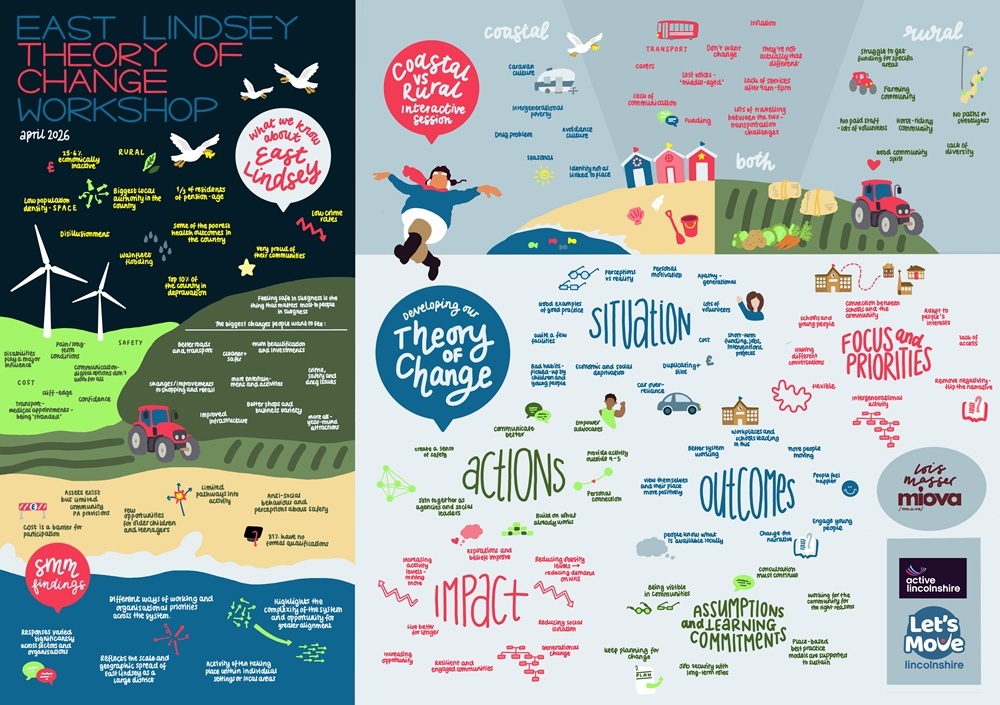
In April, we held our first Theory of Change workshop in East Lindsey, exploring how we can enable more people to be more active, more often. Together we agreed the long-term outcomes we want and what needs to be in place to make change last. Read the full article to see what we’re learning and how community insight is guiding the approach to our Sports England Place Partnership development phase.
More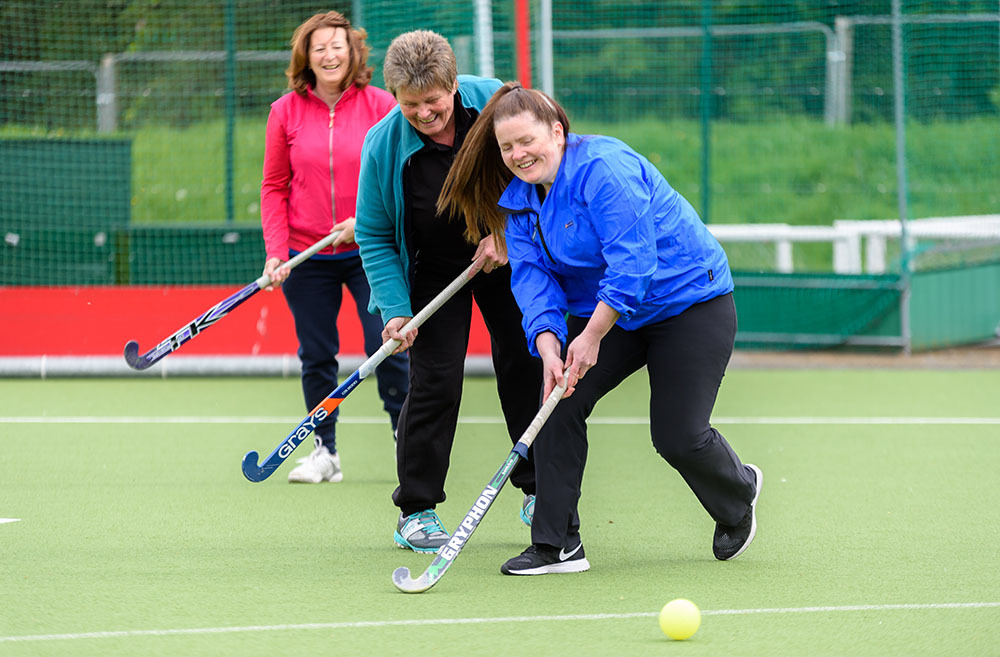
23 April 2026
The latest Active Lives report from Sport England reveals more than 30 million adults in England are now meeting the recommended levels of physical activity, including millions taking part in sport, as participation continues to steadily rise.
More
18 March 2026
From a young age, Leah has faced challenges with social interaction and anxiety as a result of her autism. However, through football, Leah has found a space where she can express herself, build confidence, and develop meaningful connections.
More