Finalists Announced
Take a look at the finalists for the Lincolnshire Sport & Physical Activity Awards 2026
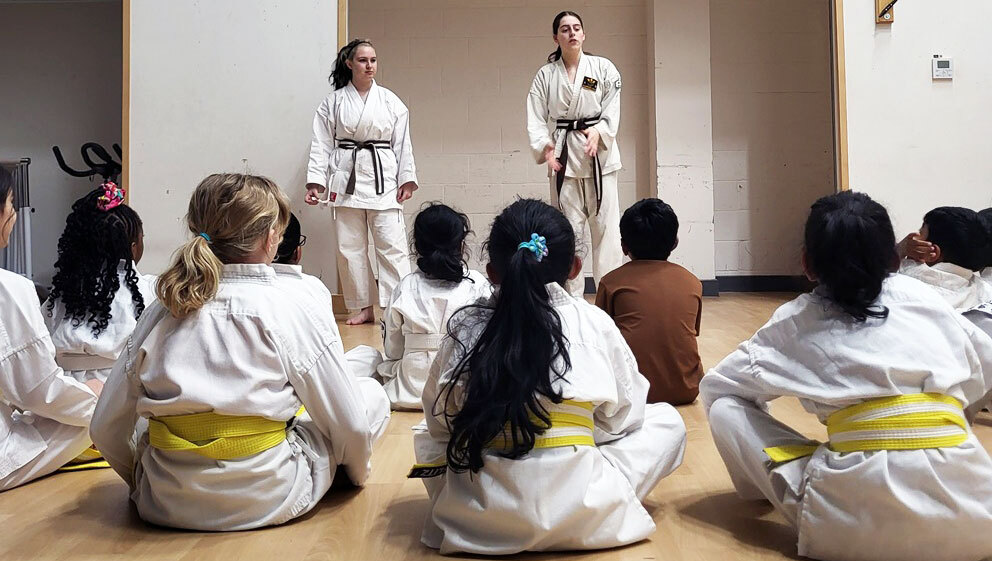
In this blog, our Sports Welfare Manager Richard Bell, looks at the impact of our Youth Coaches Peer Support programme.
Creating safe, supportive environments for children and young people in sport is not just a responsibility, it’s a necessity. Many clubs utilise and support youth coaches, youth leaders, and instructors, allowing them to gain responsibility through introductory leadership roles within the club, which can involve assisting coaches, leading warm-ups or sessional activities and offering peer support to their younger members.
That’s why our Youth Coaches Peer Support Programme has been designed to develop and empower the Youth Coaches role as an integral part of the club by equipping them with the foundational knowledge, confidence, and practical skills they need to safeguard themselves and the young people they work closely with.
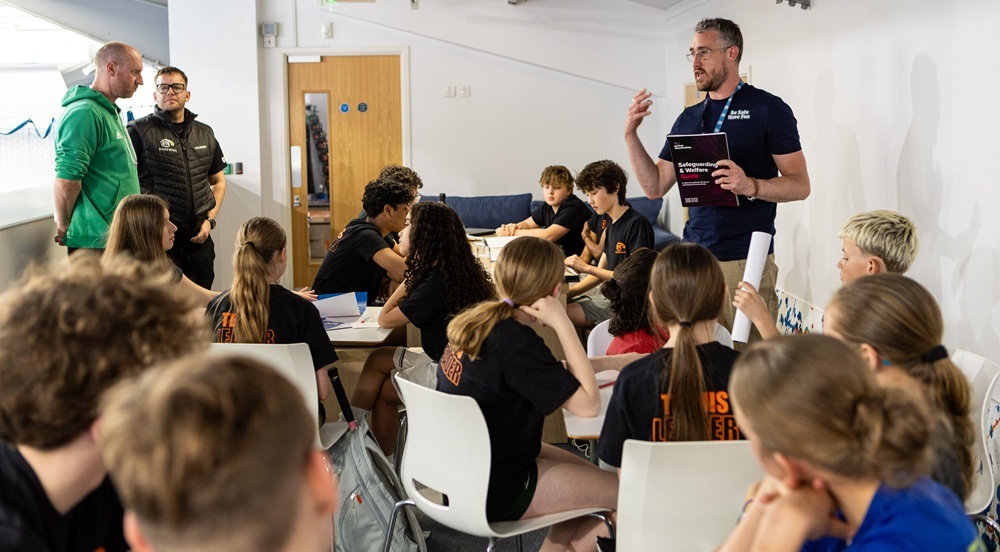
Across a series of interactive sessions, youth coaches taking part in the programme develop a range of knowledge and tools to support them to respond to difficult conversations or concerns they may have about one of their younger members. They also build the understanding and confidence to share this information with the appropriate individuals in their club, such as the Club Welfare Officer and/or safeguarding lead, in line with club procedures. The programme also aims to increase the club’s understanding of what it means to be safe in sport and create a more inclusive, supportive and responsive environment.
A key focus of the programme is helping coaches recognise the signs that a young person may need help and, crucially, how to respond if a disclosure is made. Many youth coaches told us they previously felt unsure or anxious about saying the “wrong thing.” Through guided practice and peer learning, they have developed clearer, more confident approaches, understanding the importance of listening, staying calm, and following the correct reporting pathways.
Although the programme is in its infancy, we have already worked alongside youth coaches from a variety of sports and clubs across Lincolnshire, building their understanding of safeguarding principles and strengthening their ability to respond appropriately to disclosures and concerns they may encounter. The clubs involved have shown a positive culture in nurturing their youth coaches to be an integral part of their club and it has been fantastic to work alongside those young coaches that have taken part so far.
The range of skills participants develop from the programme goes beyond safeguarding and includes:
This means the programme can benefit and further develop the youth coaches’ personal and professional skills, as well as obtaining accredited qualifications - all of which enhances their CV and future college/university/job applications.
The youth coaches are able to deliver the programme bespoke to their club and their sport. It has been great to see how the young coaches have delivered sessions by incorporating their sport and the different ways they have rolled out the Be Safe Have Fun campaign that works best for their club and its members.
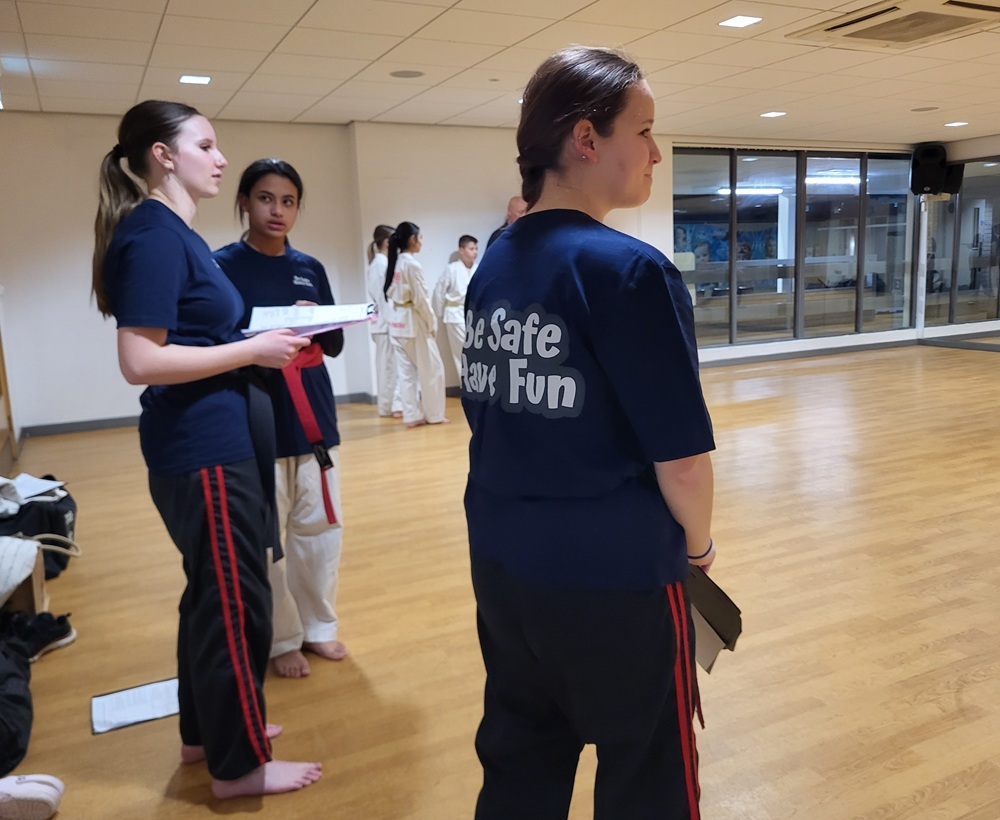
Observing how the youth coaches have worked alongside their club’s coaches and welfare officers throughout the programme has been particularly powerful. Through the programme, youth coaches are not just learning from theory, but from those around them and each other. They have been sharing challenges, solutions, and insights from their own environments. This has helped to build a strong sense of club community and ongoing support beyond the programme itself as well as demonstrate to parents and spectators the club’s commitment to safeguarding and welfare practices.
By investing in youth coaches in this way, we're helping to create safer sporting spaces where young people feel heard, respected, and protected. The impact extends far beyond the programme and its sessions, empowering youth coaches to carry this knowledge into every training session, competition, and interaction, and helping to develop a new generation who embed safeguarding throughout their sport and see it as everyone’s responsibility.
We’re proud of the progress made so far - congratulations to those clubs and youth coaches who have signed up to or completed the programme, and those who remain committed to supporting youth coaches as they continue to play a vital role in safeguarding young people in sport.
If you would like to find out more about delivering the Youth Coaches Peer Support Programme in your club, read more here or get in touch with Richard Bell by emailing Richard.Bell@ActiveLincolnshire.com
Find resources, guidance and advice on safeguarding for clubs and physical activity organisations on our Knowledge Hub.


18 March 2026
From a young age, Leah has faced challenges with social interaction and anxiety as a result of her autism. However, through football, Leah has found a space where she can express herself, build confidence, and develop meaningful connections.
More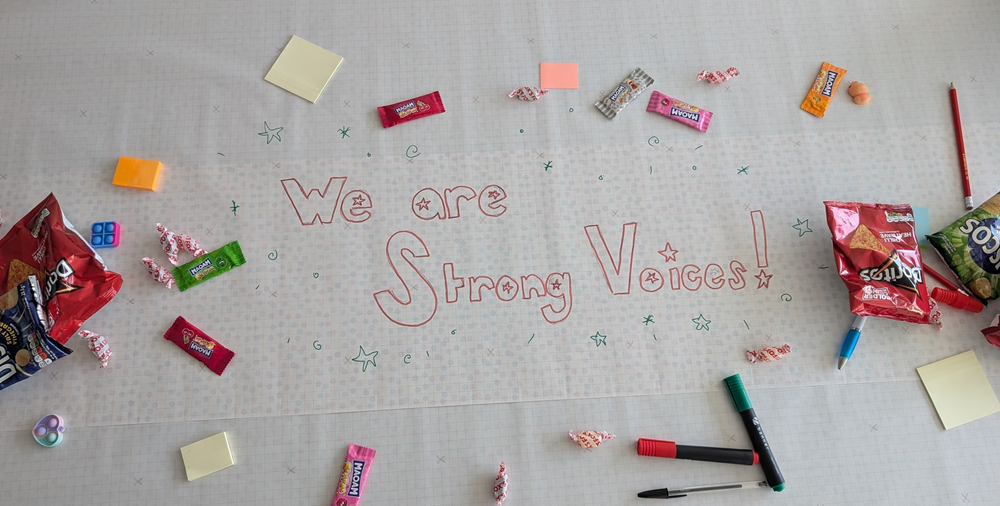
29 October 2025
In this blog, our Sports Welfare Manager, Richard Bell explains the importance of incorporating youth voice into our new children and young people Safeguarding Campaign, 'Be Safe - Have Fun', and how we have worked with the Strong Voices youth panel.
More
17 October 2024
In this blog Richard Bell, Sports Welfare Manager at Active Lincolnshire discusses the importance of learning how to be an active bystander, following on from our training held in partnership with NWG Network earlier this month.
More