Our Impact
Read our Impact Report 25- 26 to find out more about our work
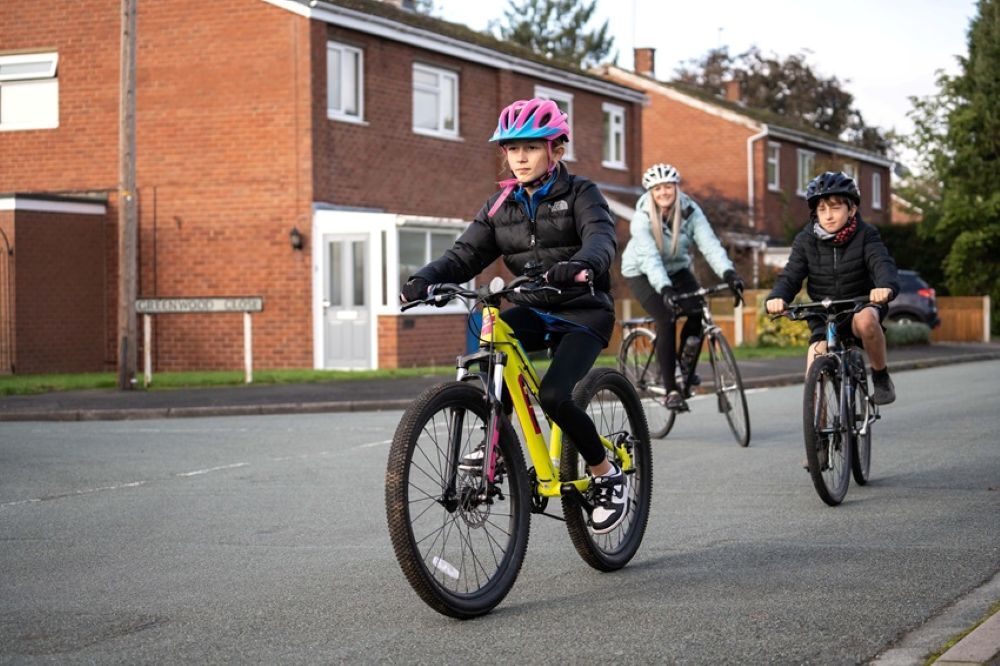
Growing up in rural Lincolnshire can offer children and young people something special – open spaces, access to nature, close-knit communities and the freedom to enjoy the outdoors. But does living in a rural community always provide the opportunities young people need to be active, independent and connected?
It's an important question, and one that emerges from research commissioned by Active Lincolnshire and undertaken independently by Healthwatch Lincolnshire.
The research explored how rural living affects health, wellbeing and physical activity in South Holland, particularly Sutton Bridge, Long Sutton and Holbeach.
More than 550 people shared their experiences through surveys and community conversations. While the research considered residents of all ages, it raised important questions about the opportunities available to children and young people, and those questions go well beyond sport.
There is much to celebrate about rural life. The research found that 72% of respondents believed living in a rural area positively affected their health and wellbeing. Residents valued the peace, open spaces, natural environment and sense of community. These are considerable assets for children and young people.
But having space around you doesn't automatically mean having somewhere to go, something to do or people to do it with. Residents highlighted concerns about the availability of activities and social opportunities, particularly for teenagers. Transport, distance and the accessibility of facilities were recurring themes.
For young people who cannot drive, accessing opportunities may depend on parents or carers being available to provide transport, and that raises an important question – how much independence do young people really have when opportunities depend on where they live?
Sport England's latest Active Lives Children and Young People Survey provides important context.
The 2024–25 findings show that physical activity levels among children aged 5–16 are at their highest since the survey began in 2017–18. That’s encouraging progress.
However, just 49.1% of children and young people in England meet the Chief Medical Officers' guideline of an average of 60 minutes of physical activity a day across the week. Another 28.4%, approximately 2.1 million children, achieve less than 30 minutes a day on average.
These are national figures, rather than findings specifically about rural Lincolnshire, but they reinforce the importance of understanding what influences children's opportunities to be active.
Sport England's research also identifies inequalities linked to family affluence and highlights how enjoyment, confidence and competence can decline as children grow older. This matters because participation isn't simply about providing more organised sport, it's about creating positive experiences that help young people develop a lasting relationship with movement and physical activity.
As children grow older, their need for independence increases. They want to meet friends, explore interests, develop confidence and make decisions for themselves.
But independence is influenced by the environment around them. Can they safely walk or cycle to activities? Are there welcoming community spaces? Can they access affordable opportunities without relying entirely on adults?
These questions bring transport, planning, education, community infrastructure and youth provision into the conversation. A young person might want to join a sports club, attend a dance class or simply spend time being active with friends. But if reaching those opportunities is difficult, motivation alone isn't enough.
We cannot simply encourage young people to be more active without considering whether their communities make that possible.
At Active Lincolnshire, our approach to Place recognises that physical activity doesn't happen in isolation. It happens within communities, shaped by the opportunities, environments and relationships that influence everyday life.
That means creating active places cannot be the responsibility of the sport and physical activity sector alone. It requires collaboration between schools, local authorities, health partners, transport and active travel colleagues, leisure providers, sports clubs, youth organisations and communities themselves.
There are opportunities to make better use of existing community spaces, bring activities closer to where people live and strengthen connections between schools, clubs and local provision.
Importantly, we must recognise that not every young person wants to participate in traditional organised sport.
Walking, cycling, dance, skating, informal play and spending time outdoors can all contribute to an active life.
Our collective ambition should be to create places where young people have meaningful choices and positive experiences, whatever their interests or abilities.
The Healthwatch Lincolnshire research provides valuable insight, but it also highlights an important opportunity.
Relatively few young people participated directly, meaning many of the findings about younger residents reflect the experiences and perceptions of adults.
We therefore need to listen more closely to children and young people themselves.
What do they enjoy? Where do they feel welcome? What prevents them from taking part? What would make their community a better place to grow up?
Their answers should help shape our work with partners across South Holland and the wider county, because creating an active place isn't simply about increasing participation figures – it's about developing communities where young people feel connected, confident, included and able to explore opportunities.
Growing up rural should be something to celebrate and by combining community insight, national evidence and the expertise of partners, we can help ensure that where a young person lives doesn't unnecessarily limit what they can experience.
The question isn't simply whether young people are active enough. It's whether we're collectively creating the places, opportunities and experiences that give them every chance to be.
Commissioned by Active Lincolnshire and undertaken by Healthwatch Lincolnshire, the Rurality Research Report explores the experiences of residents in South Holland and the factors influencing health, wellbeing and physical activity.
Read the full Rurality Research Report to explore the findings and recommendations.
*Image courtesy of Bikeability


16 October 2026
We’ve commissioned new research which explores the challenges of ageing in rural communities, highlighting how physical activity, social connections and partnership working can support healthier, more independent and fulfilling later lives.
More
12 October 2026
New research explores what helps people stay active in rural Lincolnshire, the barriers they experience, and how communities and partners can work together to create healthier, more active places.
More


