Our Impact
Read our Impact Report 25- 26 to find out more about our work
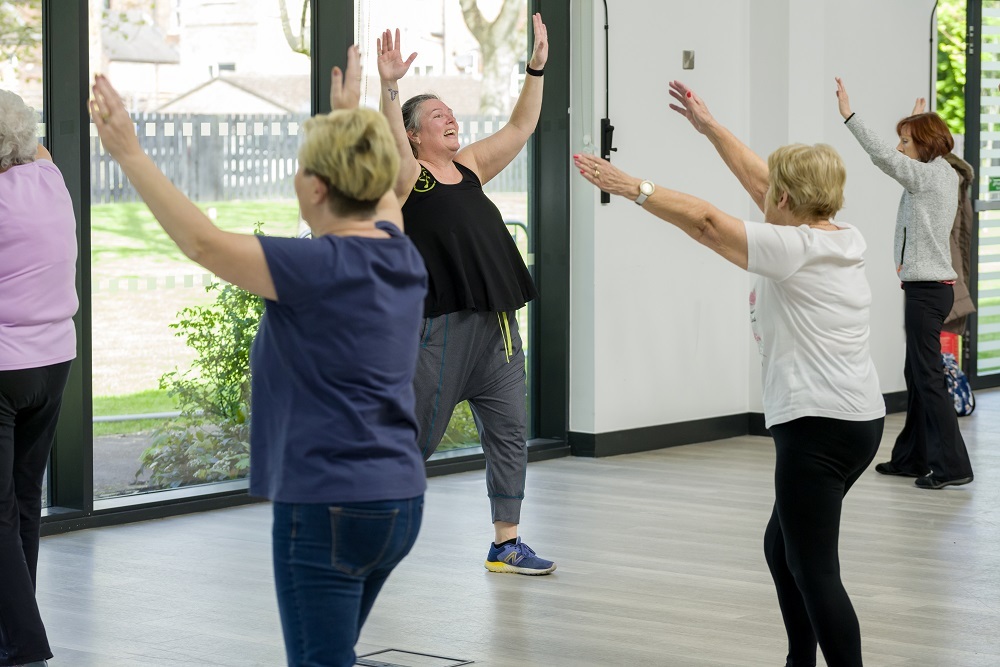
Upskilling our local physical activity, leisure and sport sector remains a fundamental role for Active Lincolnshire. Thanks to Sport England funding via the National Lottery, we are making great strides in this area. This work continues to grow and evolve, with a focus on strengthening the workforce in areas of greatest need.
During 2025–26, workforce development was aligned to local demand, with much of the work driven through the Active Communities Skills Programme, funded by UKSPF. The aim was to strengthen the workforce in areas with the greatest need. Reducing barriers to training and development, enabled more people to gain the skills and confidence needed to enter, progress within or diversify their roles in the physical activity sector. Investment in workforce development has translated into tangible outcomes across Lincolnshire:
Building on our digital platform the Active Skills Hub, we further enhanced the platform through the introduction of integrated e-commerce functionality and expanded content. The Hub now provides a central gateway to training, jobs, events, news and career opportunities, helping individuals access development pathways while supporting employers to connect with skilled candidates and reduce recruitment challenges.
Training and development opportunities have been delivered through a range of trusted partners, with Active Lincolnshire coordinating provision across the system and helping organisations and individuals access appropriate support. A second round of the Skills Fund, made possible through UK Shared Prosperity Fund (UKSPF) investment, enabled even more people and organisations to benefit from workforce development opportunities.
A wide range of qualifications and training was accessed including, ILM leadership qualifications, in person first aid, sport specific certificates, yoga, diabetes care, menopause awareness and culture and diversity workshops. A key benefit has been strengthening inclusivity. Engagement was particularly strong among women, disabled and neurodivergent individuals, and people from lower income communities. As a result, providers have increased their confidence to deliver inclusive sessions, creating more accessible opportunities for residents.


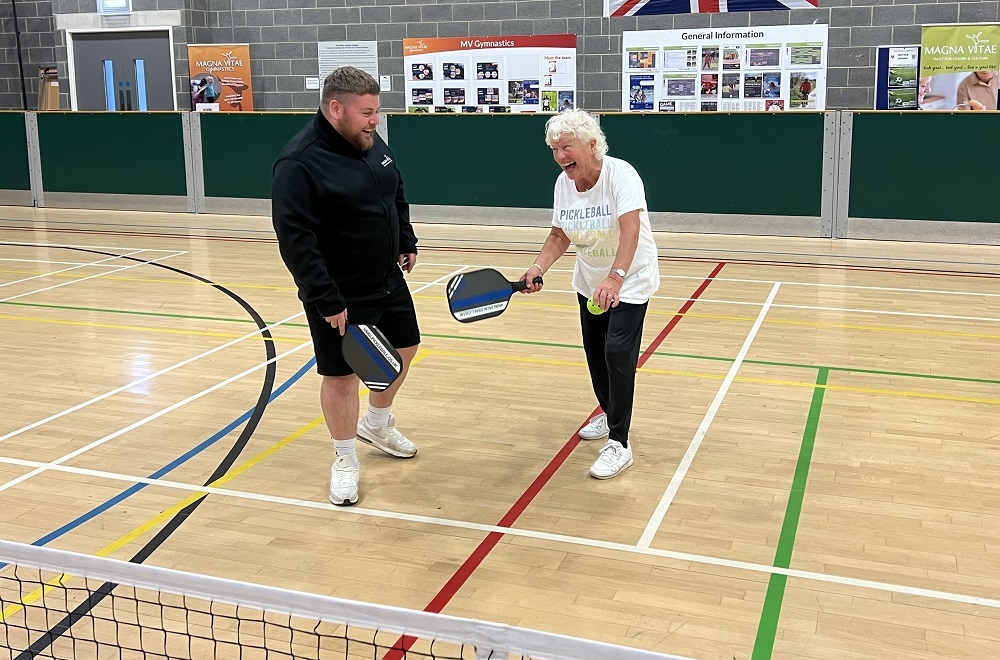
29 January 2025
The Active Lincolnshire Skills Fund is enabling over 120 individuals working in sport and physical activity in East Lindsey and South Holland to enhance their skills, helping them to promote and deliver physical activity in their communities.
More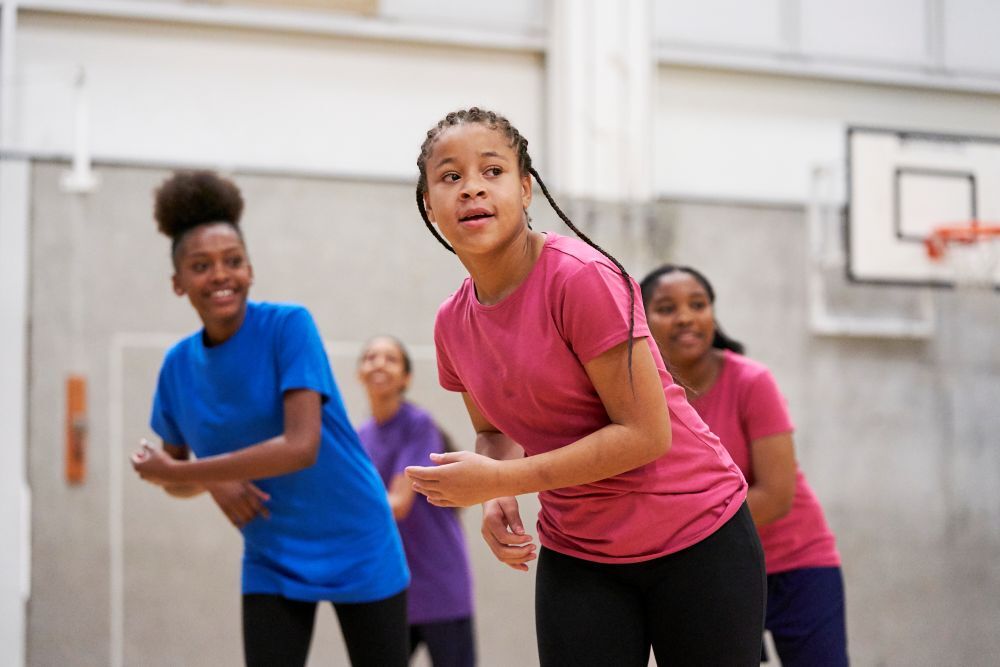
08 July 2026
An exploration of how place, systems and inclusion shape children’s physical activity, and why removing barriers – not motivation – is key to creating active communities.
More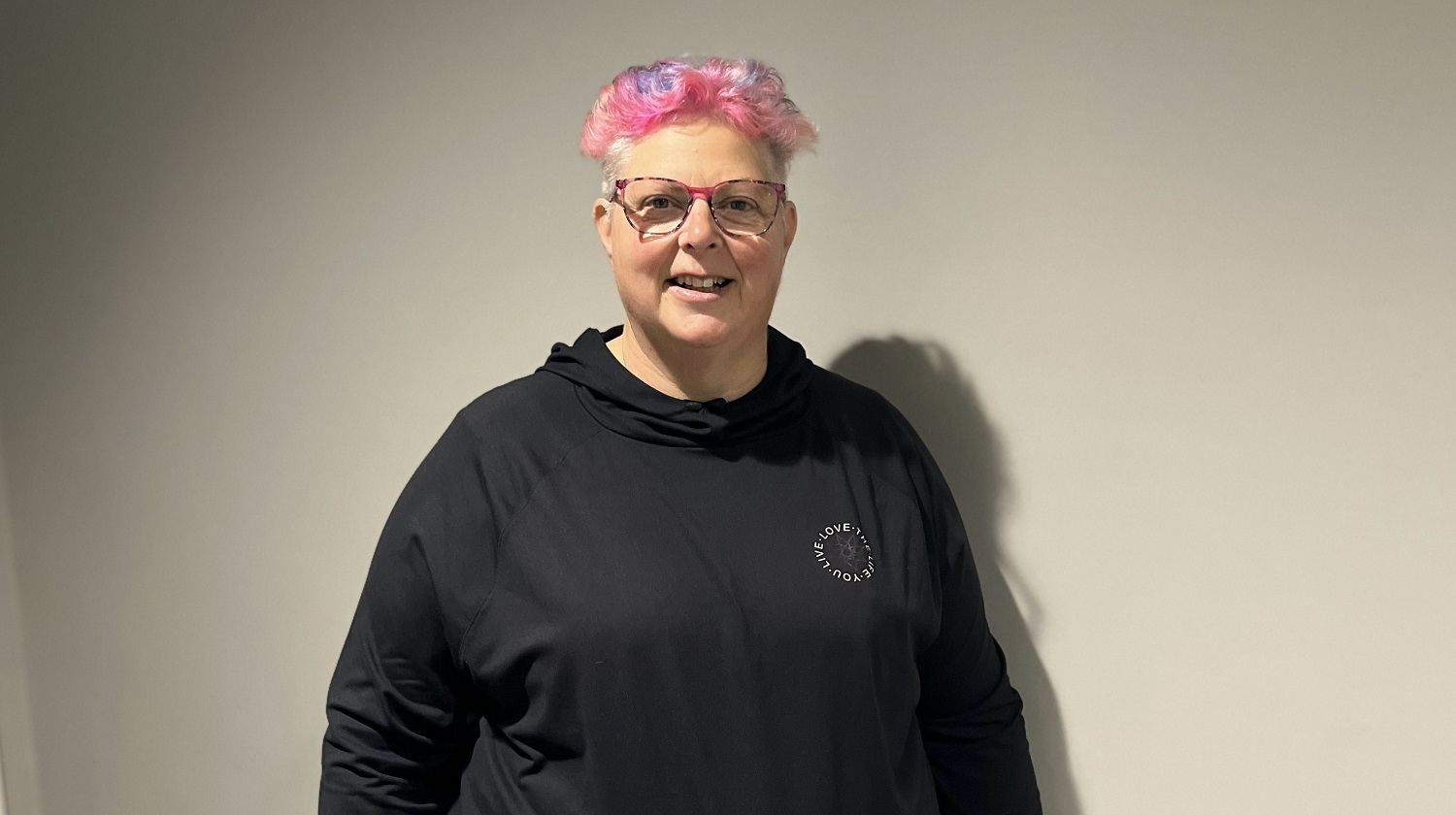
01 October 2024
Meet Karen, an aqua aerobics enthusiast on her way to becoming an instructor. To support her career aspirations Karen has been able to access support from the Active Lincolnshire Skills Fund, which is available to those working or living in East Lindsey and Boston.
More