Our Impact
Read our Impact Report 25- 26 to find out more about our work
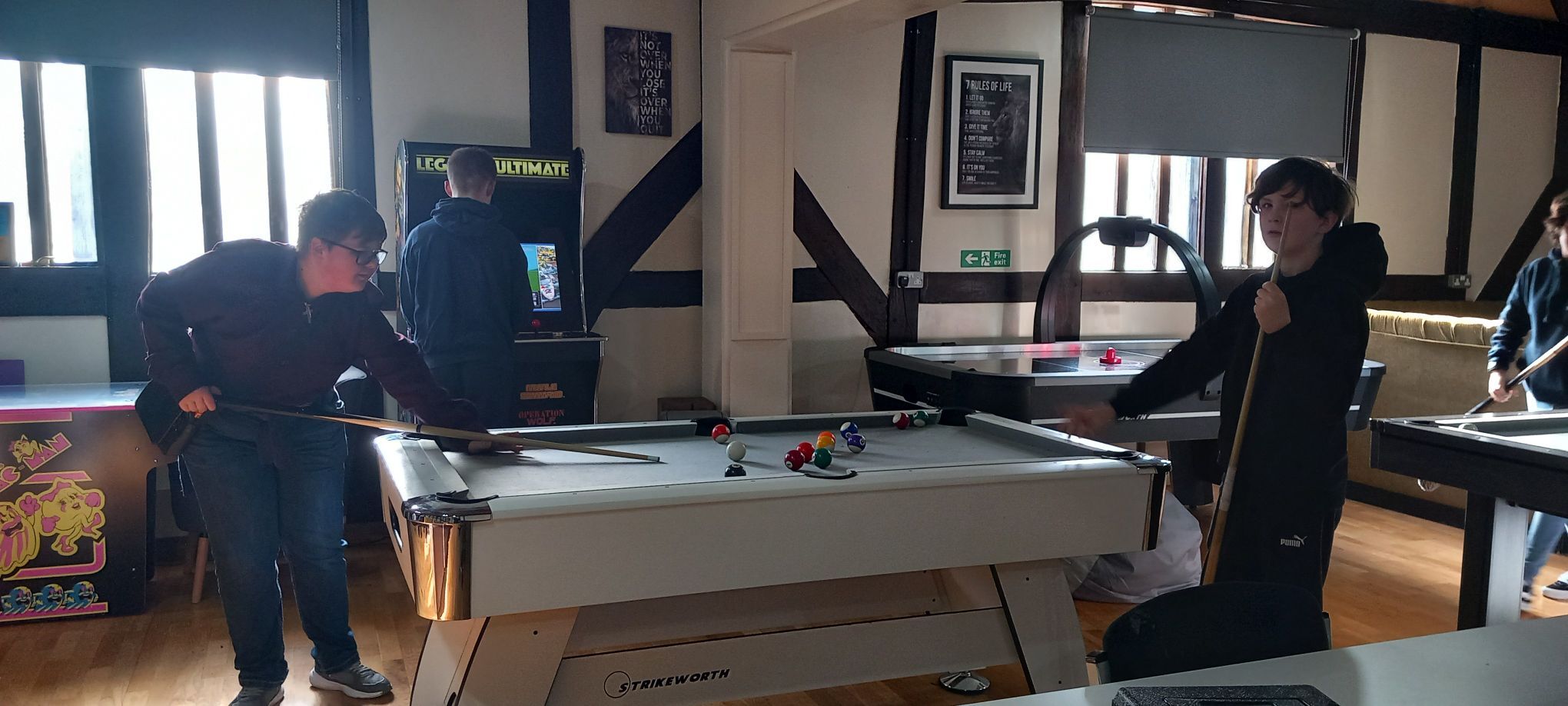
A huge part of our work in place is promoting the importance of safe, inclusive and welcoming environments for children and young people, and helping communities create them. A person’s physical environment has a significant impact on their ability to be active and to support their health and wellbeing. For some people, however, a supportive environment isn’t always immediately available. So how do you support a community when people keep falling through the gaps?
Tonic Health is showing what’s possible.
When the police and council highlighted that Boston lacked safe spaces for young people, health and wellbeing charity Tonic Health stepped in. They worked to set up Boston Hub, as a community-focused youth space, that provides safe, welcoming, free space for young people in Boston to spend time after school, on weekends, and during school holidays - giving them positive alternatives to being “just on the streets.”
We spoke to Michael Morris, founder and CEO of Tonic Health to find out more about the ethos, behind the hub, the provision it provides and the successes and challenges it faces.
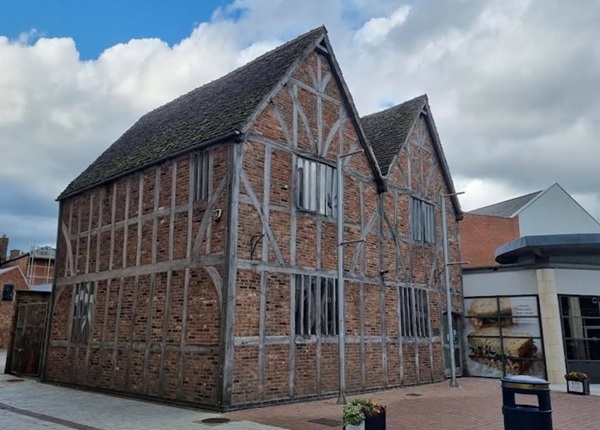
"In March, April-time 2024 – we were approached by the police and by Boston Borough Council to basically say, ‘Michael, there's nothing for the kids of Boston in the town centre. Do you think you could come and do something about it? We have no funding, but we will support you all the way’
Although antisocial behaviour had been flagged as a concern, Michael wanted a clear understanding of local needs. Youth voice became central to the project from the outset. Tonic Health conducted an online survey and ran workshops with local young people, receiving around 110–120 responses. This consultation ensured the hub reflected what young people actually wanted.
"We heard that young people aged 15+ really wanted a safe space to hang out. All they wanted was a space to come, they wanted a pool table, they wanted a dart board, a table tennis table, they wanted a coffee shop area, they wanted soft seating and things like that. But they also wanted some study space so that they could potentially come to do some homework or group work or things like that."
The hub was established in Pescod Hall, a refurbished Grade II listed building, giving the project both a physical home and a visible presence in the town centre.
"In reality, when we opened we found we were getting 12 - 14 year old coming - mainly boys, particularly from lower socio economic backgrounds. Because we're getting a younger audience than maybe anticipated, they're not spending money on drinks or food, so we had to look at our funding streams. Through our network and our reputation as a charity, as an organisation, we we've gone to various funders. Lincolnshire Community Foundation are amazing, and they supported us right at the beginning in getting the intelligence and the data together."
To keep older teenagers engaged, the team introduced an in-house youth leader programme.
"To help retain the older age group, we've started an in-house youth leader programme, so you've got to follow on. So, it’s something for those who still want to come, but recognise that they're now starting to get too old."
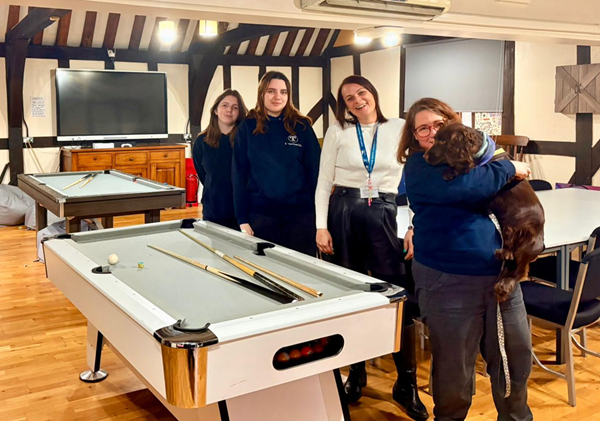
"For the boys that come, it's a safe space for them. They've got to know Hannah, who's our youth lead here, and the staff, and they know me. We'll play a game pool, we'll play darts. They've got Xbox, they've got the arcade machines, the air hockey – it's all here."
More importantly, it’s a place where they feel respected and heard.
“It’s a safe space where they know we’ll listen to them and treat them with respect. For many, it’s the only consistent positive place in their week.”
The charity is now working towards offering recognised qualifications through participation, giving young people tangible outcomes such as certificates for school or future employment. Participants can help facilitate activities — from five-a-side football matches to craft sessions — gaining practical experience and confidence.
The charity is also a lifeline for older adults facing loneliness, long-term health issues and isolation. Thousands of hours of preventative wellbeing support are delivered every year - work that prevents issues from escalating.
By listening to communities and developing relationships and peer connection and providing safe accessible spaces, Tonic Health is building confidence, and transforming lives. These are the foundations of fairer, healthier places.
As Michael says:
“As long as people leave our buildings in a better space than when they arrived, we’ve done our job.”
Tonic Health’s community‑led approach shows how local organisations can transform lives - and why investing in relational, place‑based work is essential if we’re serious about reducing inequalities.


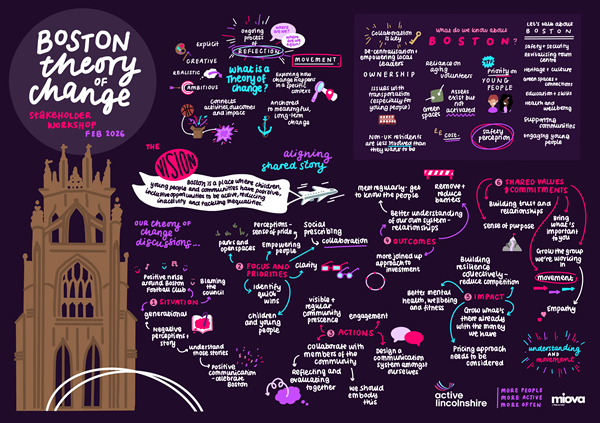
12 February 2026
As part of our work in Place, we recently brought together a network of partners and stakeholders to co-create a Theory of Change for Boston - a shared vision that will guide and energise the next phase of our work.
More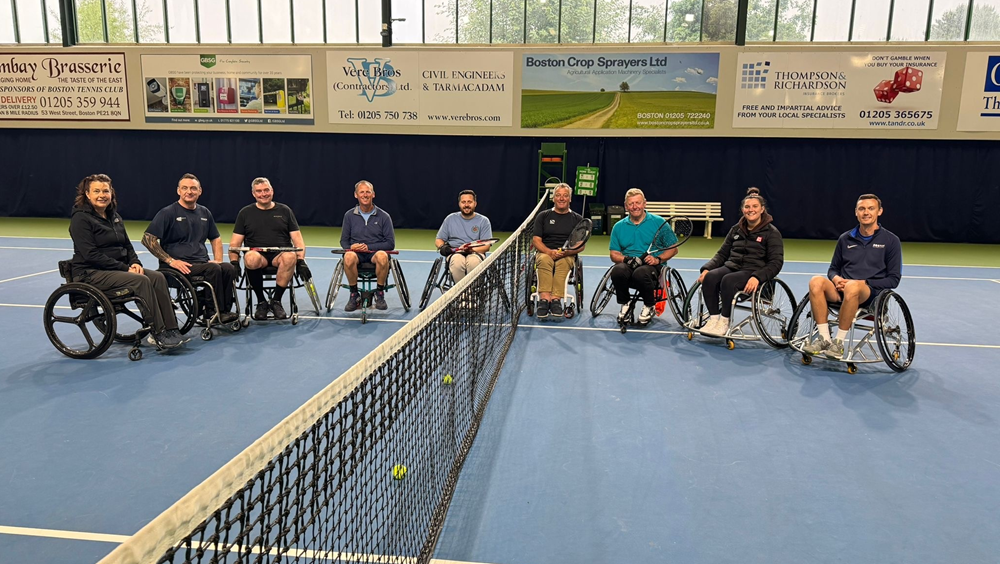
02 December 2025
Boston Tennis Club were recognised for their commitment to opening up tennis opportunities for more people as winners of the Inclusion & Diversity Awards at the Lincolnshire Sport & Physical Activity Awards 2025.
More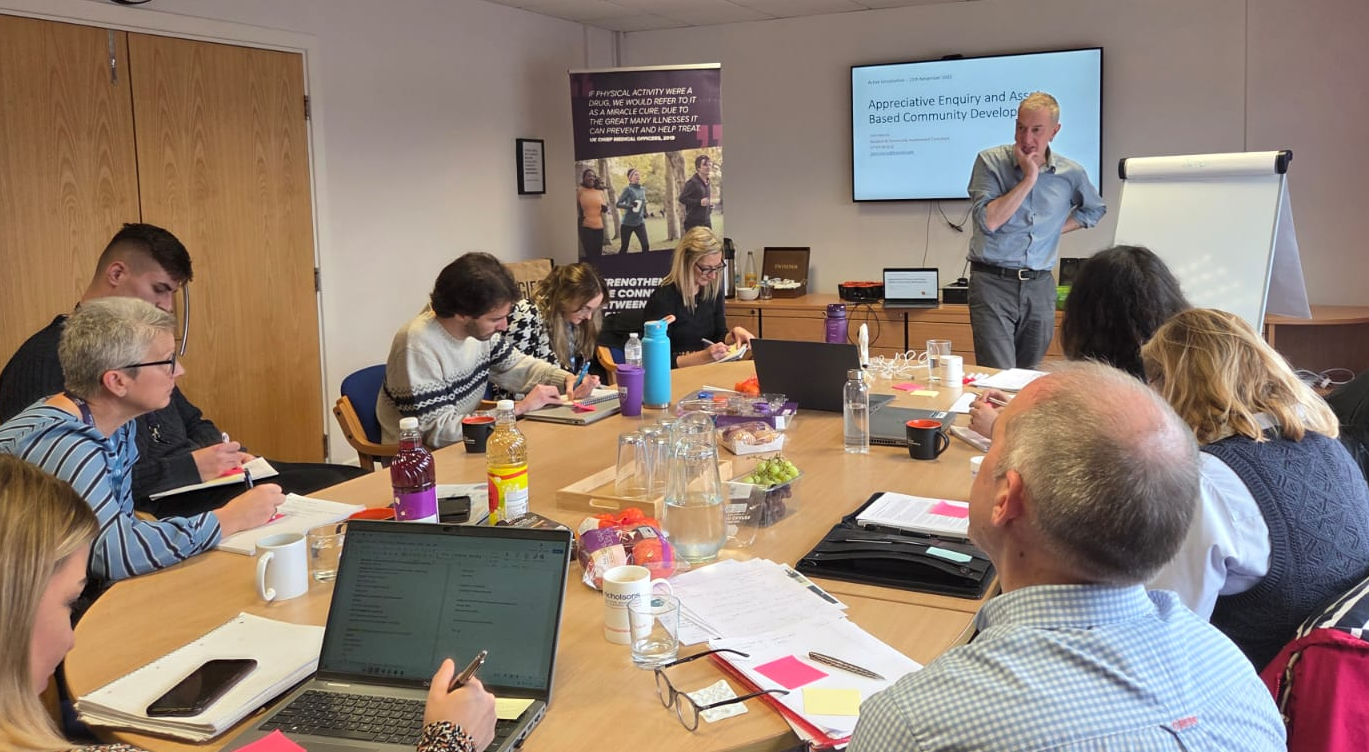
17 November 2025
The Place Partnership team, is a group dedicated to helping residents in East Lindsey and Boston become more active and connected. Bringing together expertise from Active Lincolnshire and key strategic partners, the team is already working closely with local people and organisations to understand their needs, build relationships, and create the conditions for long-lasting change.
More