#LSPAA Awards
Celebrating those helping Lincolnshire residents to move more!
Sport & Physical Activity Awards
The Active Lincolnshire Sport & Physical Activity Awards, provide an opportunity to recognise the outstanding individuals and organisations who work so hard to inspire and enable our county to be active. From dedicated coaches, to tireless volunteers, and exceptional sporting talent, the awards shine a light on the amazing achievements of individuals and organisations across the county.
View page >
Jobs
Find current job opportunities with Active Lincolnshire
View page >
Lincolnshire Sport & Physical Activity Network
The Lincolnshire Sport & Physical Activity Network (LSPAN) is your opportunity to come together and connect with other people who are involved with delivering sport or physical activity in Lincolnshire - whether that is as part of a sports club, community group, organisation or as an individual coach or instructor. If you work or volunteer in sport or physical activity across Lincolnshire, join the group for free to get support and guidance and connect with others with a shared passion and purpose. We'll provide useful information to help strengthen your work and share what's working well across the county.
View page >
Safeguarding and Welfare Support
View page >

Sport England National Lottery funding is helping people overcome barriers to physical activity by creating more inclusive and accessible opportunities. Through workforce development investment, instructors have gained specialist skills to support people with long-term health conditions and mobility challenges. This has led to the creation of new seated exercise programmes across East Lindsey and Boston, helping people transition from rehabilitation into community activity, improving confidence, wellbeing and social connection. .
We have aligned workforce development to local demand, with much of it being driven by the Active Communities Skills Programme which was funded by UKSPF. The aim was to strengthen the workforce in areas with the greatest need. By reducing barriers to training and development, the programme enabled more people to gain the skills and confidence needed to enter, progress within or diversify their roles in the physical activity sector.
This investment has translated into tangible outcomes across
A fantastic example of aligning workforce development to local need is our Building Inclusive Pathways Through Seated Exercise programme across East Lindsey and Boston. This initiative helps address the “cliff edge” dilemma many people face when returning to activity after rehabilitation, or when building the confidence to consider physical activity as a realistic option.
One of the key obstacles for people completing physical activity programmes is having the confidence to move into mainstream activity environments. Without support pathways and relevant opportunities available, there is an increased risk that individuals become inactive once structured health support has ended.
Active Lincolnshire’s Skills Fund enabled instructors to gain specialist seated exercise qualifications, creating more accessible activity opportunities and strengthening local support for people with long-term health conditions.
One example of how the Skills Fund has made an impact is Liezi, a Magna Vitae personal trainer, who used training funded through Active Lincolnshire to develop specialist expertise in diabetes support and seated exercise. She now delivers regular classes across Lincolnshire, supporting residents who may otherwise struggle to remain active.
This had a huge positive impact by expanding access to physical activity for people with additional health and mobility needs. As well as creating sustainable pathways from rehabilitation into community-based activities.
Workforce development has also strengthened inclusion and helped provide more opportunities for people with long term health conditions and mobility challenges to be active. Providers have increased their confidence to deliver inclusive sessions, creating more accessible and representative opportunities for residents. By creating a skilled workforce, we can strengthen pathways between health interventions and local activity, so people can continue being active long-term and not just as part of a temporary programme.


01 October 2024
Meet Karen, an aqua aerobics enthusiast on her way to becoming an instructor. To support her career aspirations Karen has been able to access support from the Active Lincolnshire Skills Fund, which is available to those working or living in East Lindsey and Boston.
More
16 October 2026
One area where Active Lincolnshire is leading the way is through our strong focus on Monitoring, Evaluation and Learning (MEL). Read about the how we have changed our ways of working to help create stronger foundations for co-ordinated action, targeted investment and long-term impact.
More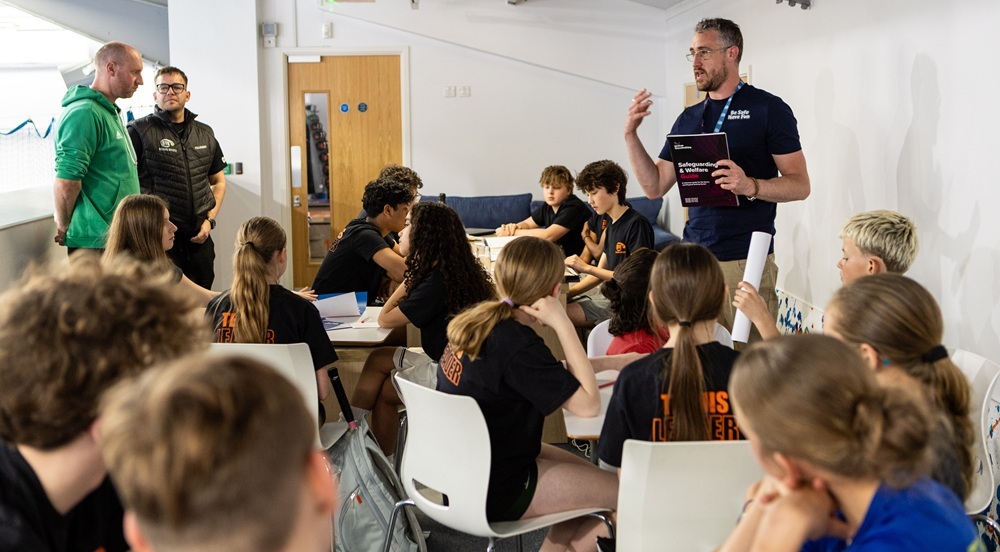
12 October 2026
Ensuring the safety and wellbeing of people involved in sport and physical activity across Lincolnshire remains a fundamental priority. During the year, Active Lincolnshire worked with local, regional and national partners to strengthen safeguarding practice across the sector.
More


