#LSPAA Awards
Take a look at the winners from the 2026 Lincolnshire Sport & Physical Activity Awards
Sport & Physical Activity Awards
The Active Lincolnshire Sport & Physical Activity Awards, provide an opportunity to recognise the outstanding individuals and organisations who work so hard to inspire and enable our county to be active. From dedicated coaches, to tireless volunteers, and exceptional sporting talent, the awards shine a light on the amazing achievements of individuals and organisations across the county.
View page >
Jobs
Find current job opportunities with Active Lincolnshire
View page >
Lincolnshire Sport & Physical Activity Network
The Lincolnshire Sport & Physical Activity Network (LSPAN) is your opportunity to come together and connect with other people who are involved with delivering sport or physical activity in Lincolnshire - whether that is as part of a sports club, community group, organisation or as an individual coach or instructor. If you work or volunteer in sport or physical activity across Lincolnshire, join the group for free to get support and guidance and connect with others with a shared passion and purpose. We'll provide useful information to help strengthen your work and share what's working well across the county.
View page >
Safeguarding and Welfare Support
View page >
This report was commissioned by Active Lincolnshire as part of the development phase of our Sport England funded place work in South Holland.
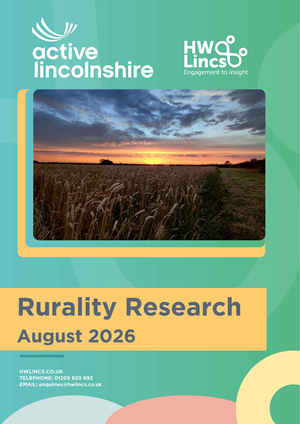
What does rural life mean for people’s wellbeing, connections and opportunities to stay active? Our Rurality report explores the experiences of residents in South Holland, highlighting both the benefits of living in the countryside and the challenges that can make everyday life more difficult. The report was commissioned by Active Lincolnshire as part of the development phase of our Sport England funded place work in South Holland.
Carried out by HWLincs in July 2026, the research brings together 428 survey responses and 14 community conversations involving 129 participants, with a focus on Sutton Bridge, Long Sutton, Holbeach and nearby villages. Residents describe the value of peaceful surroundings and access to green space, alongside barriers such as limited public transport, difficulties accessing services and a lack of local activities.
The report considers how these experiences shape people’s ability to stay active and connected, and sets out recommendations to help address the barriers residents identified. By putting local experiences at the heart of the findings, it provides evidence to inform future planning and decisions about opportunities and support in rural communities.
Read the full report here, or take a look at the summary below
Report Summary
Research Scope and Methods
Benefits and Challenges of Rural Living
Transport and Essential Services
Community, Young People, and Infrastructure
Motivations for Staying Active
Priorities for Supporting Activity
Interconnected Barriers To Activity
Consequences Of Reduced Activity
Support People Say They Need
Community Involvement And Provision
Research Reach And Representation