#LSPAA Awards
Celebrating those helping Lincolnshire residents to move more!
Sport & Physical Activity Awards
The Active Lincolnshire Sport & Physical Activity Awards, provide an opportunity to recognise the outstanding individuals and organisations who work so hard to inspire and enable our county to be active. From dedicated coaches, to tireless volunteers, and exceptional sporting talent, the awards shine a light on the amazing achievements of individuals and organisations across the county.
View page >
Jobs
Find current job opportunities with Active Lincolnshire
View page >
Lincolnshire Sport & Physical Activity Network
The Lincolnshire Sport & Physical Activity Network (LSPAN) is your opportunity to come together and connect with other people who are involved with delivering sport or physical activity in Lincolnshire - whether that is as part of a sports club, community group, organisation or as an individual coach or instructor. If you work or volunteer in sport or physical activity across Lincolnshire, join the group for free to get support and guidance and connect with others with a shared passion and purpose. We'll provide useful information to help strengthen your work and share what's working well across the county.
View page >
Safeguarding and Welfare Support
View page >
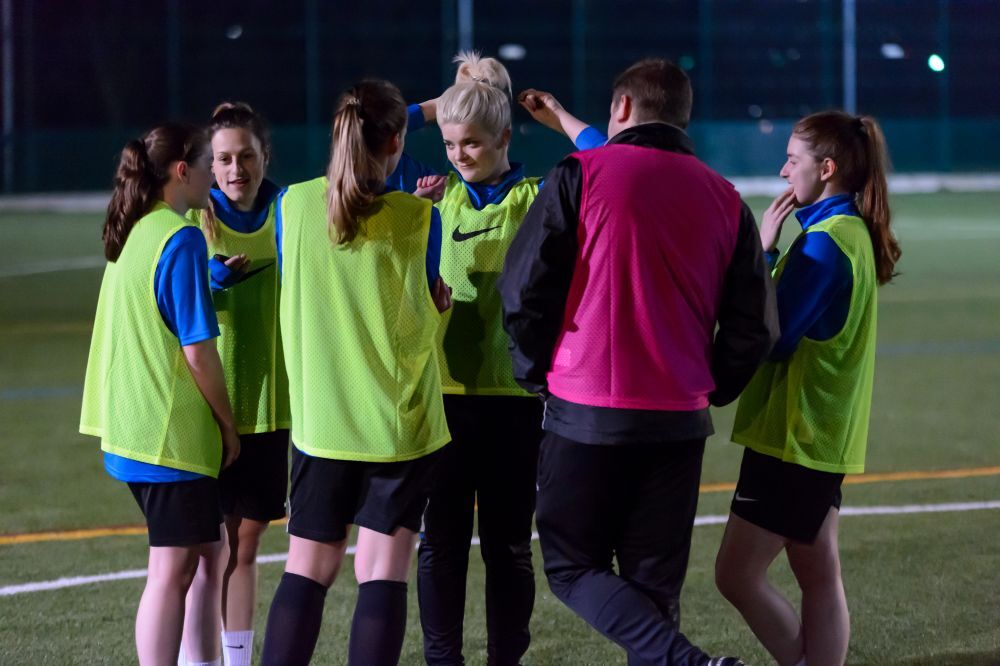
How investing in skills, people and partnerships can unlock the social value of physical activity and create healthier, more inclusive communities.
Physical activity has the power to change lives. It can improve health, strengthen communities, build confidence and create opportunities for people of all ages and backgrounds.
But behind every opportunity to be active is something we don’t always talk about enough: people.
From coaches and volunteers to community leaders, healthcare professionals and leisure providers, it’s people who help others take that first step towards becoming more active.
At Active Lincolnshire, we believe that investing in these people, and the skills and opportunities they need to succeed, is fundamental to creating a healthier, more active Lincolnshire, and increasingly, the research demonstrates why this matters.
Research commissioned by Sport England, published in November 2025, estimated that sport and physical activity generated £122.9 billion in social value across England in 2023/24.
The study, undertaken with Sheffield Hallam University, Manchester Metropolitan University and State of Life, considered the contribution physical activity makes to individual wellbeing, health and wider society.
Of the total, approximately £106.9 billion was attributed to individual wellbeing, including the benefits of participation and volunteering, while £15.9 billion reflected wider health-related value.
The research also estimated that physical activity helped prevent millions of cases of illness and generated substantial savings through reduced demand for healthcare.
These are modelled estimates of social and economic value, rather than direct cash savings. Nevertheless, they reinforce an important message: physical activity is not simply something people do in their spare time, it’s an important contributor to healthier individuals, stronger communities and a more resilient society.
Read Sport England's Social Value of Sport and Physical Activity research.
For Active Lincolnshire, the findings also raise another important question. If physical activity creates such significant value, how do we ensure we have the people, skills and community capacity needed to make those benefits accessible to everyone?
When we think about the physical activity workforce, we often picture qualified coaches, fitness instructors and leisure professionals.
Their contribution is vital, but the workforce supporting people to become active is much broader.
It includes volunteers organising community activities, teachers encouraging children to develop confidence through movement, healthcare professionals discussing physical activity with patients, and community leaders creating welcoming spaces where people feel they belong.
Each plays a different role, but all contribute to helping people overcome barriers to participation.
Research from the World Health Organization's Global Action Plan on Physical Activity recognises that increasing physical activity requires coordinated action across multiple sectors, including health, education, transport and community services.
This reinforces the importance of developing not only specialist sporting skills, but also the wider knowledge, confidence and capabilities needed to support active lives.
At Active Lincolnshire, our skills and workforce development work is part of this wider ambition.
Working alongside partners, we want to strengthen the knowledge, confidence and capacity of those who create opportunities for people to be active, while supporting pathways into volunteering, training and employment.
Because developing the workforce isn’t simply about increasing the number of people with qualifications, it’s about ensuring the right people have the right skills, support and connections to make a meaningful difference in their communities.
We know that opportunities to be active are not experienced equally. Cost, transport, accessibility, confidence, cultural expectations and the availability of suitable local activities can all influence whether someone feels able to participate.
Sport England's Active Lives research consistently highlights inequalities in activity levels between different population groups.
These inequalities cannot be addressed by one organisation, profession or programme alone. They require a collaborative approach that brings together the people who understand local communities with those who can provide the skills, resources and opportunities needed to support change.
This is particularly important in our priority Place areas of Boston, East Lindsey and South Holland, where our work with partners focuses on understanding local needs and developing approaches that respond to them.
For example, inclusive training can help coaches and activity leaders better support people with disabilities and those living with long-term health conditions.
Developing community leadership and volunteering opportunities can help build trusted local networks, particularly where traditional sporting environments may not feel accessible or welcoming.
Working with education and training providers can help create routes into the physical activity workforce for young people and adults who may otherwise face barriers to employment.
And closer collaboration between physical activity providers, healthcare professionals and community organisations can help people access opportunities appropriate to their needs.
The principle is straightforward: when we invest in the skills and confidence of those supporting communities, we strengthen our collective ability to remove barriers to participation.
Skills development as an opportunity for economic inclusion
The benefits of workforce development extend beyond physical activity itself. Training, qualifications, volunteering and employment pathways can help individuals develop transferable skills, build confidence and establish connections that support their wider lives.
Communication, leadership, teamwork, organisation and problem-solving are all skills that can be developed through involvement in sport and community activity. Research from the Sport for Development Coalition explores how sport-based programmes can contribute to wider social outcomes, including employability, education and community development.
For Lincolnshire, this presents an opportunity to connect physical activity more closely with local skills, education and economic development priorities. By working with colleges, employers, local authorities, community organisations and training providers, we can help strengthen pathways into the sector while creating opportunities for people to gain experience and develop their potential. It also means recognising the importance of supporting existing volunteers and professionals.
Recruitment is only part of the challenge. Retaining people, providing ongoing development and ensuring they feel valued are equally important to building a sustainable workforce.
One of the most important findings from Sport England's social value research is the contribution made through volunteering.
The study estimated that volunteering associated with sport and physical activity generated approximately £8.6 billion in wellbeing value in England during 2023/24.
This illustrates the wider contribution of people who give their time to support others. Volunteers help sustain clubs, organise activities, connect communities and create opportunities that might otherwise not exist.
However, volunteering also needs investment and support. Providing accessible training, mentoring, safeguarding knowledge and development opportunities can help volunteers feel more confident and better equipped for their roles.
Equally, making volunteering more flexible and inclusive can help widen participation among people who may have limited time, financial resources or previous experience.
For us and our partners, strengthening this community capacity is an important part of building opportunities that are sustainable, locally relevant and shaped by the people who use them.
As we strengthen skills and workforce development, it’s also important to understand the difference this investment makes.
The number of people trained, qualifications achieved or volunteers recruited provides useful information, but it tells only part of the story. We also need to understand whether training improves confidence and capability, whether organisations become better equipped to deliver inclusive opportunities, and whether communities experience improved access to physical activity.
This is why monitoring, evaluation and learning are so important. By working with partners to understand what is effective, where barriers remain and how approaches can be improved, we can continue to strengthen the contribution workforce development makes to healthier communities.
Sport England's social value research provides a powerful national evidence base. Our opportunity is to connect that evidence with local experiences, outcomes and learning across Lincolnshire.
The £122.9 billion social value estimate demonstrates the enormous contribution physical activity makes to society, but realising that potential depends on much more than providing activities or facilities. It depends on the people who make participation possible.
People who understand their communities. People who encourage and inspire others. People who create welcoming environments and help individuals overcome the barriers that stand in their way.
At Active Lincolnshire, we recognise that no single organisation can achieve this alone. Through collaboration with our partners across health, education, local government, leisure, community organisations and the voluntary sector, we can continue developing the skills, relationships and capacity needed to support more active lives.
Because investing in the physical activity workforce is about more than developing sport – it’s about investing in people who, together, can help create a healthier, more inclusive and more prosperous Lincolnshire.


